Best Flight Logbook Apps for UK Pilots in 2026
From Logbook Pro to Zululog — here are the best flight logbook apps for UK pilots, CAA compliance, and syncing with your paper logbook.
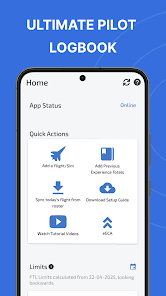
Finding the best flight logbook app for UK pilots has become increasingly important as digital record-keeping matures alongside traditional paper methods. Whether you're a student pilot building hours towards your PPL, a commercial aviator tracking complex multi-crew operations, or a seasoned instructor juggling dozens of students, the right app can transform how you manage your flying records. The challenge lies in choosing software that meets CAA requirements, integrates with your workflow, and remains reliable for years to come. This guide examines the leading options available to UK pilots in 2026, helping you select an app that genuinely serves your needs rather than creating additional administrative burden.
Why UK Pilots Are Moving to Digital Logbooks
The shift towards digital flight logging reflects broader changes in how pilots manage their careers and training. Paper logbooks remain the legal standard recognised by the Civil Aviation Authority, but they present practical limitations that become more apparent as flying careers progress. A single lost or damaged logbook can mean months of painstaking reconstruction from old training records and operator files. Digital backups eliminate this risk entirely.
Beyond simple redundancy, electronic logbooks offer analytical capabilities impossible with paper. Pilots can instantly calculate currency requirements, track progress towards ratings, generate reports for job applications, and identify patterns in their flying that might otherwise go unnoticed. For instructors maintaining records across multiple students and aircraft types, searchable digital records save considerable time compared to flipping through pages of handwritten entries.
The CAA's position on electronic logbooks has clarified substantially in recent years. While paper remains the primary legal record, the authority accepts digital records as supporting evidence and increasingly recognises well-maintained electronic logs during licence validation. This pragmatic approach means most UK pilots now maintain parallel systems — a paper logbook for official purposes and a digital app for day-to-day tracking and analysis.
What Makes a Flight Logbook App Suitable for UK Pilots
Not every logbook application suits the specific needs of pilots operating under UK and EASA regulations. American-focused apps often default to FAA terminology and requirements, creating confusion when logging flights conducted under different regulatory frameworks. The best options for UK pilots include native support for CAA and EASA licence categories, appropriate currency tracking for UK requirements, and export formats compatible with British regulatory submissions.
Currency tracking deserves particular attention. UK private pilots need to monitor passenger-carrying currency (three takeoffs and landings in 90 days), instrument currency for those holding ratings, and biennial flight review requirements. Commercial pilots face additional complexity with recency requirements varying by operation type. An app that understands these specific rules saves considerable mental effort and reduces the risk of inadvertently flying out of currency.
Data portability matters enormously for any long-term record. Pilots should favour apps offering comprehensive export options — ideally CSV, PDF, and direct integration with common formats. Proprietary systems that lock your data behind subscription paywalls create unacceptable risk for records you may need to access decades into the future.
LogTen Pro: The Premium Choice
LogTen Pro has established itself as the premium option for serious aviators, offering exceptional depth and polish across Apple devices. The interface feels genuinely native to iOS and macOS, avoiding the clunky feel of cross-platform compromises. For UK pilots, the app includes comprehensive EASA and CAA support out of the box, with currency tracking that understands UK-specific requirements without requiring manual configuration.
The subscription model may deter some users, but it ensures continuous development and cloud synchronisation across devices. Pilots who fly regularly typically find the annual cost justified by time saved and peace of mind gained. The app excels at handling complex operations — multi-crew flights, simulator sessions, and varied aircraft types present no difficulty. Import options support migration from most competing apps and spreadsheet formats.
LogTen's weakness lies in its Apple exclusivity. Android users and those preferring Windows-based workflows must look elsewhere. The pricing, while fair for professional pilots, may feel excessive for recreational flyers logging only a few dozen hours annually.
Zululog: The Web-First Approach
Zululog takes a fundamentally different approach, operating primarily through web browsers with companion mobile apps for convenience. This platform-agnostic design appeals to pilots who switch between devices frequently or prefer desktop-based record management. The system handles UK regulatory requirements competently, though some users report needing minor customisation to match their specific licence and rating combinations.
The free tier offers genuine utility rather than serving merely as a trial. Pilots can maintain complete logs with basic reporting without paying anything, making Zululog attractive for students and recreational flyers. Premium features including advanced analytics, automatic currency calculations, and priority support require subscription, but the pricing remains modest compared to premium competitors.
Zululog's cloud-native architecture means your data lives on their servers, raising legitimate questions about long-term accessibility. The company has operated reliably for years, but pilots should maintain regular exports as insurance against any future service changes. The mobile apps, while functional, lack the refinement of dedicated native applications — acceptable for entry confirmation but less pleasant for extended use.
Logbook Pro: The Desktop Powerhouse
NC Software's Logbook Pro targets pilots who prefer desktop-centric workflows, offering Windows software with comprehensive capabilities that mobile-first alternatives cannot match. The depth of customisation available suits pilots with unusual requirements — military aviators transitioning to civilian roles, helicopter pilots, or those flying vintage aircraft find Logbook Pro accommodates their needs where simpler apps fall short.
The companion mobile app, APDL, extends functionality to Apple and Android devices, though integration requires some initial setup effort. UK pilots benefit from proper EASA support and flexible currency tracking that can be configured precisely to match personal requirements. Report generation capabilities exceed most competitors, valuable for pilots regularly submitting documentation to employers or regulatory bodies.
Logbook Pro's interface reflects its long development history, feeling somewhat dated compared to modern mobile-first designs. Pilots comfortable with traditional software paradigms appreciate the power available; those expecting smartphone-style simplicity may find the learning curve frustrating. The pricing model — perpetual licence with optional subscription for updates and cloud services — appeals to those preferring to avoid recurring fees.
ForeFlight: Integration With Flight Planning
ForeFlight has grown from flight planning app to comprehensive aviation platform, with logbook functionality forming one component of a broader ecosystem. UK pilots already using ForeFlight for planning, weather, and charts find the integrated logbook reduces administrative overhead — flight plans automatically populate logbook entries, eliminating duplicate data entry.
The logbook component itself offers solid fundamentals without matching the depth of dedicated applications. Currency tracking covers standard requirements, reporting serves most purposes, and data export works reliably. Where ForeFlight excels is convenience for pilots who value having everything in one place over having the most powerful individual components.
The subscription cost reflects the complete platform rather than logbook alone, making ForeFlight poor value if you only need logging capabilities. However, for IFR pilots or those flying regularly into unfamiliar airfields, the combined package often makes financial sense. Integration with aircraft documentation and history varies by data source but continues improving.
Pilot Logbook by Hangar64: Budget-Friendly Simplicity
Pilot Logbook by Hangar64 targets a different market segment — pilots wanting straightforward digital logging without complexity or significant cost. The app handles basic requirements competently: recording flights, tracking totals, monitoring simple currency requirements. For student pilots or recreational flyers logging modest hours, this simplicity proves genuinely attractive rather than limiting.
UK-specific features exist but require some user configuration rather than working automatically. Pilots comfortable setting up custom fields and currency rules can make the app work well; those wanting everything configured out of the box may prefer alternatives. The one-time purchase model avoids subscription fatigue, though it also means development proceeds more slowly than subscription-funded competitors.
Export options cover basics adequately without matching the flexibility of premium applications. For pilots planning long aviation careers involving multiple licence types and complex operations, starting with a more capable app probably makes sense. For those with simpler needs, Pilot Logbook offers genuine value.
Maintaining Parallel Paper Records
Regardless of which app you choose, maintaining an official paper logbook remains advisable for UK pilots. The CAA explicitly recognises traditional logbooks for licence validation, and some employers and insurers specifically request paper records. Digital apps serve best as primary working tools with paper logbooks maintained as official records, updated periodically from electronic exports.
The most efficient approach involves recording flights digitally immediately after landing, then transferring entries to paper weekly or monthly. This balances convenience with regulatory compliance while ensuring both records remain synchronised. Many pilots find that generating printouts from their apps and keeping these alongside paper logbooks provides useful redundancy during the transfer process.
When selecting a paper logbook, quality matters considerably for documents expected to last decades. Proper aviation logbooks designed for professional use justify their higher cost through durability and appropriate formatting for UK regulatory requirements.
Frequently Asked Questions
Does the CAA accept electronic flight logbooks?
The CAA recognises electronic logbooks as supporting evidence but continues to treat paper logbooks as the primary legal record for licence validation purposes. Most UK pilots maintain both — digital for convenience and analysis, paper for official submissions. Examiners conducting skill tests typically expect to see paper records, though supplementary electronic evidence is increasingly welcomed.
Can I transfer my existing paper logbook into an app?
Most quality apps support manual entry of historical flights and many offer import from spreadsheets or other digital formats. The initial data entry investment can be substantial for pilots with extensive experience, but the long-term benefits typically justify the effort. Some pilots hire virtual assistants or use dedicated transcription services to accelerate this process.
What happens to my data if an app company closes?
This risk varies significantly by provider. Apps offering comprehensive export options allow pilots to extract complete data regardless of company fortunes. Those relying heavily on proprietary formats or cloud-only storage present greater risk. Regular exports to multiple formats — CSV for data, PDF for human-readable records — provide insurance against any single point of failure.
Which app works best for flight instructors?
LogTen Pro and Logbook Pro both handle instructor-specific requirements well, including tracking hours given, student records, and ground instruction time. The best choice depends on platform preference (Apple versus Windows) and budget. Instructors teaching frequently benefit from the time savings that premium apps provide; those instructing occasionally may find simpler options sufficient.
Are free logbook apps worth using?
Free tiers from established providers like Zululog offer genuine utility for pilots with straightforward requirements. Completely free apps from unknown developers warrant more caution — verify data export capabilities thoroughly before committing your records to any platform. The modest cost of quality paid apps typically represents excellent value compared to the importance of the records being managed.
Key Takeaways
- LogTen Pro leads for Apple users willing to invest in premium software, offering exceptional UK regulatory support and professional-grade features.
- Zululog provides the best platform-agnostic option with its web-first approach and genuinely useful free tier for budget-conscious pilots.
- Logbook Pro remains the strongest choice for Windows-centric workflows and pilots requiring deep customisation capabilities.
- ForeFlight suits pilots already using the platform for flight planning, providing convenient integration rather than standalone excellence.
- All UK pilots should maintain parallel paper logbooks regardless of digital app choice, as CAA continues recognising paper as the primary legal record.
- Prioritise apps with robust export options to protect your data against any future platform changes or company closures.