Dive Logbooks: PADI, BSAC and SAA Requirements Explained
Every recreational diver needs a logbook — but requirements differ between PADI, BSAC, and SAA. Here's what to record and why your dive log matters for progression.
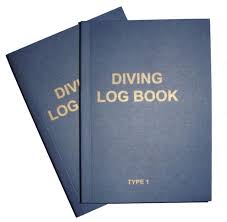
Whether you're a newly certified open water diver or working towards instructor level, understanding dive logbook PADI BSAC UK requirements is essential for your progression and safety underwater. Your dive logbook serves as far more than a simple record of where you've been — it's a training document, a safety tool, and often a legal requirement for certain types of diving. Each major certification agency has its own expectations about what you should record and how your log contributes to your development as a diver.
Why Every Diver Needs a Logbook
A dive logbook fulfils several critical functions that go well beyond nostalgia or bragging rights. First and foremost, it provides evidence of your experience when you want to progress to the next certification level. Most training agencies require a minimum number of logged dives before you can enrol on advanced courses, and instructors will want to review your recent diving activity before taking you into more challenging environments.
Your logbook also serves as a personal safety record. By tracking details like air consumption, maximum depths, and any incidents or near-misses, you build a picture of your diving habits and areas for improvement. Many experienced divers can look back through their logs and identify patterns — perhaps they use more air when diving in cold water, or they consistently underestimate dive times at particular sites.
Dive centres and charter boats often ask to see your logbook before allowing you to join trips, particularly for more demanding dives like deep walls, drift dives, or wreck penetrations. Without logged evidence of relevant experience, you may find yourself restricted to basic dive sites or required to pay for additional supervision.
PADI Logbook Requirements
PADI (Professional Association of Diving Instructors) is the world's largest recreational diving organisation and takes a flexible approach to logbook requirements. While PADI doesn't mandate a specific logbook format, it strongly recommends that all divers maintain accurate records of every dive.
For PADI course progressions, you'll need to demonstrate logged dives as follows. The Advanced Open Water Diver course requires completion of your Open Water certification but no minimum logged dives. However, the Rescue Diver course requires Advanced Open Water certification plus at least 40 logged dives is recommended. For Divemaster, you need a minimum of 40 logged dives to begin training, with 60 required before certification.
PADI logbooks typically include fields for date, dive site, dive number, buddy name, entry and exit times, maximum depth, bottom time, air consumption (starting and finishing pressures), water temperature, visibility, and equipment used. There's usually space for stamps or signatures from dive centres and instructors, which can be valuable for proving your experience abroad.
PADI also offers digital logging through its app, which syncs with many dive computers and allows you to store certification cards digitally. This can be convenient for travelling divers, though keeping a physical backup remains advisable.
BSAC Logbook Requirements
The British Sub-Aqua Club (BSAC) takes a more structured approach to logbook requirements than PADI. As the UK's largest diving club, BSAC has developed a comprehensive training progression system where logged dives play a central role.
BSAC's qualification system explicitly links certain dives to training requirements. Ocean Diver (the entry-level qualification) includes specific training dives that must be logged and signed off by an instructor. Sports Diver requires completion of Ocean Diver plus qualifying experience including logged dives at progressively greater depths. Dive Leader and above have substantial experience requirements that can only be demonstrated through your logbook.
What sets BSAC apart is its emphasis on developing experience in UK waters specifically. The organisation recognises that diving in British conditions — with limited visibility, strong currents, cold temperatures, and tidal considerations — develops skills that tropical diving simply doesn't test. Your BSAC logbook should clearly distinguish between UK dives and overseas dives.
BSAC recommends recording additional information including surface interval times, decompression obligations if any, weather and sea conditions, and specific skills practised during the dive. The organisation also emphasises logging any unusual occurrences, equipment issues, or learning points from each dive.
SAA Logbook Requirements
The Sub-Aqua Association (SAA) is another major UK-based diving organisation that operates independently from BSAC while maintaining high training standards. SAA's approach to logbooks shares similarities with BSAC but has its own distinct elements.
SAA qualifications follow a progression from Club Diver through to First Class Diver, with logged experience requirements at each level. The organisation places particular emphasis on developing rounded divers who can operate safely in varying conditions, and your logbook provides the evidence that you've gained this breadth of experience.
SAA divers are expected to record comprehensive details for each dive, including any rescue or safety drills practised, navigation exercises undertaken, and the type of diving environment (shore dive, boat dive, drift dive, night dive, and so forth). The organisation also encourages divers to note marine life observations and environmental conditions as part of developing good diving awareness.
For those pursuing SAA instructor qualifications, the logbook becomes even more important. You'll need to demonstrate not just quantity of dives but quality and variety — proving that you've experienced different diving scenarios and can therefore teach students to handle them.
What Information Should You Record?
Regardless of which agency you're qualified with, certain information should appear in every logbook entry. At minimum, you need to record the date, dive site name and location, dive number, entry and exit times (or total dive time), maximum depth reached, and your buddy's name.
Beyond these basics, experienced divers recommend recording starting and finishing cylinder pressures, which allows you to calculate your surface air consumption rate over time. Water temperature and visibility help you remember conditions and plan future visits to the same sites. Equipment notes — particularly if you used different kit than usual — can be valuable for troubleshooting issues later.
Many divers add personal notes about highlights, challenges, or skills they want to work on. These reflective comments often prove more valuable than raw data when you look back years later. If you encountered any problems during the dive — however minor — recording them honestly helps you learn and demonstrates maturity to instructors reviewing your log.
For UK diving specifically, recording tidal information and weather conditions is particularly important. A dive site that's easy at slack water can be extremely challenging at other times, and your notes will help you plan return visits more effectively.
Digital Versus Paper Logbooks
Modern divers face a choice between traditional paper logbooks and various digital alternatives. Each format has advantages and limitations worth considering.
Paper logbooks remain the gold standard for official purposes. They're accepted universally, don't require batteries or internet access, and provide a tangible record that's difficult to falsify. The ritual of filling in your logbook after a dive also encourages reflection on the experience. Many divers find that choosing the right logbook format depends on how they like to process their diving experiences.
Digital options have become increasingly sophisticated. Dive computer downloads provide accurate depth profiles and times without relying on memory. Apps like PADI's offering, Subsurface, and MacDive can store unlimited entries with photos, GPS coordinates, and detailed dive profiles. Cloud backup means you won't lose years of records if your logbook gets wet or goes missing.
The most robust approach combines both methods. Download your dive computer data to a digital platform for accuracy and backup, but maintain a paper logbook for official purposes and to ensure you have records accessible anywhere. This redundancy protects against technology failures and satisfies the requirements of different dive centres and agencies.
Cross-Certification Considerations
Many UK divers hold qualifications from multiple agencies — perhaps starting with PADI abroad and then joining a BSAC club locally. When crossing between agencies, your logbook becomes crucial for establishing what level you should be placed at.
BSAC offers crossover pathways for PADI-qualified divers, but your logged experience significantly affects where you enter their system. A PADI Advanced Open Water diver with 50 logged dives in varied conditions may be assessed differently from one with 50 dives exclusively in warm, clear tropical waters. Your logbook tells this story.
When seeking cross-certification, ensure your logbook clearly shows the variety of your experience. Note environmental conditions, depths, types of diving (shore, boat, drift, night), and any challenging situations you've handled successfully. Instructors assessing your suitability for advanced training will scrutinise these details.
Similarly, if you've maintained detailed records with one agency, these remain valid evidence of experience even if you switch to training with another organisation. The dives don't disappear from your record simply because you change allegiance.
Logbooks for Specialist and Commercial Diving
Beyond recreational diving, logbook requirements become even more stringent for specialist activities. Technical divers venturing beyond recreational limits need meticulous records of decompression dives, gas mixtures used, and equipment configurations. These records may be reviewed by training agencies before advanced technical courses.
Commercial divers working under the HSE (Health and Safety Executive) diving regulations have legal requirements to maintain detailed logbooks that employers must retain. While recreational divers aren't bound by these regulations, understanding that the professional diving world treats logbooks as legal documents underlines their importance.
Scientific divers, underwater photographers, and marine researchers may need their logbooks to support funding applications or demonstrate experience in specific environments. If you're diving for purposes beyond pure recreation, consider what additional information might be valuable to record.
Frequently Asked Questions
Can I use any logbook format or must I buy the official agency version?
You can use any logbook format that captures the essential information — date, site, depth, time, buddy, and conditions. However, using your agency's official logbook makes it easier for instructors to find the information they need and may carry more weight with unfamiliar dive centres. The PADI, BSAC, and SAA logbooks are all designed to prompt you to record everything that matters for their respective systems.
How many dives do I need logged before instructors will take me on advanced dives?
This varies by dive type and location. Many operators require 20-30 logged dives for deep dives beyond 30 metres, 50+ for serious wreck penetration, and specific experience for drift dives or night dives. Your logged experience in similar conditions matters as much as total numbers — 30 UK dives often counts for more than 100 tropical dives when seeking to join challenging British diving.
What happens if I lose my logbook?
Losing your logbook is frustrating but not catastrophic. Dive centres you've visited may have records of your dives with them. Your certification agency can confirm your qualifications. Buddies may have notes that help reconstruct your history. Going forward, consider keeping a digital backup alongside your paper logbook to protect against loss.
Do I really need to log every single dive?
Yes, ideally. Even a simple pool session or a short dive that didn't go to plan contributes to your experience total and may contain useful learning points. Gaps in your logbook raise questions — did you stop diving, or did you just stop recording? For progression purposes, logged dives are the only dives that count.
Should my buddy sign my logbook entry?
Having your buddy sign or initial your entry adds credibility to your records, particularly for dives without a dive centre or instructor present. It's not always mandatory, but it's good practice and helps verify your log if questions arise later.
Key Takeaways
- A dive logbook is essential for progression through PADI, BSAC, and SAA qualification systems, with each agency having specific requirements for logged experience before advancing to higher certifications.
- BSAC and SAA place particular emphasis on UK diving experience, recognising that British conditions develop skills that tropical diving doesn't test.
- Record comprehensive information for every dive including depth, time, conditions, air consumption, and personal notes about challenges or skills practised.
- Maintain both digital and paper records where possible — digital for accurate data and backup, paper for universal acceptance and official purposes.
- Your logbook tells the story of your diving career; quality and variety of experience matters as much as quantity when seeking access to advanced dives or cross-certification.
- Even seemingly minor dives should be logged — gaps in your record raise questions and unlogged dives don't count towards experience requirements.