Fire Door Inspection Logbooks: A Complete UK Guide
Fire doors must be inspected regularly and records kept. Here's what a fire door inspection logbook must contain and the legal consequences of poor records.
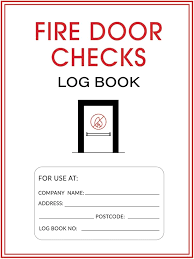
Fire doors are a critical component of any building's passive fire protection system, designed to compartmentalise fire and smoke, protect escape routes, and ultimately save lives. However, a fire door is only as effective as its maintenance regime, and in the UK, keeping a comprehensive fire door inspection logbook isn't merely good practice—it's a legal requirement for most building types. Whether you manage a commercial premises, residential block, or care facility, understanding what your fire door inspection logbook UK records must contain, how often inspections should occur, and the consequences of inadequate documentation is essential knowledge.
Why Fire Door Inspections Matter
Fire doors serve a deceptively simple but vital function: they provide a barrier that can withstand fire and smoke for a specified period, typically 30 or 60 minutes. This gives building occupants precious time to evacuate and allows firefighters to control the spread of flames. However, fire doors are complex assemblies where every component—the door leaf, frame, seals, hinges, closers, and glazing—must work together to achieve their fire resistance rating.
Over time, fire doors can become compromised through everyday use, damage, wear, or inappropriate modifications. A door that doesn't close properly, has damaged intumescent seals, or has been propped open renders the entire fire compartmentation strategy useless. Regular inspection identifies these defects before they become dangerous, while maintaining detailed records demonstrates due diligence and compliance with fire safety legislation.
The consequences of fire door failure can be catastrophic. Coroners' reports following fatal fires frequently highlight inadequate fire door maintenance as a contributing factor, and subsequent prosecutions have resulted in significant fines and imprisonment for those responsible.
Legal Requirements for Fire Door Inspections
The legal framework surrounding fire door inspections in the UK centres on the Regulatory Reform (Fire Safety) Order 2005 (RRO) in England and Wales, with equivalent legislation in Scotland and Northern Ireland. Under the RRO, the 'responsible person'—typically the building owner, employer, or managing agent—must ensure that fire safety measures, including fire doors, are properly maintained.
Article 17 of the RRO specifically requires that fire safety facilities and equipment be maintained in efficient working order and good repair. While the legislation doesn't prescribe exact inspection frequencies, it does require that maintenance arrangements be suitable and sufficient. Industry guidance, particularly BS 8214:2016 for timber fire doors and the Fire Door Inspection Scheme (FDIS) standards, provides the benchmark for what constitutes adequate inspection regimes.
The Fire Safety Act 2021 and subsequent Fire Safety (England) Regulations 2022 have strengthened requirements for residential buildings, particularly those over 11 metres in height. These regulations now explicitly require the responsible person to undertake quarterly checks of all fire doors in common parts and annual checks of flat entrance doors, with records maintained accordingly.
Failure to comply with fire safety legislation can result in enforcement notices, prohibition notices preventing building use, unlimited fines, and imprisonment for up to two years for serious breaches. Following the Grenfell Tower tragedy, enforcement has become notably more rigorous.
What Your Fire Door Inspection Logbook Must Contain
A properly structured fire door inspection logbook should provide a complete audit trail of every inspection, defect identified, and remedial action taken. The essential elements include:
Door identification: Each fire door should have a unique reference number or identifier, ideally corresponding to a location on your building's floor plan. This allows precise tracking of individual doors' maintenance history and ensures no doors are overlooked during inspections.
Inspection date and inspector details: Record the exact date of each inspection along with the name and, where relevant, qualifications of the person conducting the inspection. For third-party inspections, include the company name and any accreditation details such as FDIS certification.
Detailed condition assessment: Document the condition of each critical component: the door leaf (checking for damage, warping, or gaps), frame, intumescent and smoke seals, hinges, closing device, locks and latches, glazing and glazing beads, threshold gaps, and signage. Note whether each element passes or fails against the relevant performance criteria.
Defects identified: Describe any defects clearly and specifically. Rather than simply noting 'seal damaged,' record 'intumescent seal missing for 150mm at hinge side, top corner.' This precision aids remediation and demonstrates thorough inspection practice.
Risk priority rating: Categorise defects by urgency. Many organisations use a traffic light system: red for immediate risks requiring urgent action, amber for defects requiring attention within a defined timeframe, and green for minor issues to address at the next scheduled maintenance.
Remedial actions and completion dates: Record what corrective work is required, who is responsible for completing it, target completion dates, and actual completion dates with confirmation of satisfactory repair. This closes the loop and demonstrates that identified problems have been resolved.
Photographs: While not strictly mandatory, photographic evidence of both defects and completed repairs significantly strengthens your documentation and can prove invaluable during fire service inspections or legal proceedings.
Inspection Frequencies and Competency Requirements
Determining how often fire doors should be inspected depends on the building type, door location, and usage levels. For most commercial and residential buildings, a combination of routine checks and detailed inspections provides adequate coverage.
Routine visual checks should be conducted frequently—weekly or monthly depending on traffic levels. These quick assessments verify that doors close fully and latch correctly, aren't propped open, and haven't sustained obvious damage. Building staff can undertake these checks without specialist training, though they should understand what to look for and when to escalate concerns.
Detailed inspections require more thoroughness and should be conducted at least every six months for most fire doors, with the Fire Safety (England) Regulations 2022 mandating quarterly checks for common parts fire doors in relevant residential buildings. These inspections examine all door components against performance criteria and should be conducted by competent persons.
Competency is crucial. While there's no legal requirement for fire door inspectors to hold specific qualifications, industry best practice strongly recommends using inspectors certificated under the Fire Door Inspection Scheme (FDIS) or equivalent. FDIS-qualified inspectors have demonstrated knowledge of fire door standards, installation requirements, and maintenance criteria. Using unqualified inspectors exposes responsible persons to significant risk if inspections later prove inadequate.
For more information on maintaining comprehensive fire safety documentation across all building systems, explore our fire safety logbook resources.
Common Fire Door Defects and Their Significance
Understanding what inspectors look for helps appreciate why detailed record-keeping matters. The most commonly identified fire door defects include:
Excessive gaps: The gap between the door and frame should not exceed 3-4mm along the top and sides when the door is closed. Larger gaps allow fire and smoke to pass through, defeating the door's purpose. Gaps often develop through frame movement, hinge wear, or building settlement.
Damaged or missing seals: Intumescent seals expand when exposed to heat, filling gaps and blocking fire passage. Smoke seals prevent cold smoke infiltration. If seals are painted over, damaged, missing, or incorrectly fitted, the door's fire resistance is compromised. This is one of the most common defects found during inspections.
Door closer failures: Fire doors must close automatically and latch positively without manual intervention. Closers that are worn, incorrectly adjusted, or deliberately disabled represent serious fire safety failures. Door hold-open devices must be connected to the fire alarm system to release automatically upon alarm activation.
Damage to door leaves: Holes, cracks, or significant damage to the door leaf can compromise fire resistance. Even seemingly minor damage, such as oversized holes from replaced locks, can allow fire breakthrough.
Incorrect hardware: Fire doors must be fitted with appropriately fire-rated hinges, locks, and other hardware. Three hinges are typically required, and all hardware should be CE or UKCA marked for fire door applications. Incorrect or insufficient hardware is a frequent finding.
Glazing issues: Fire-resistant glazing must be correctly fitted with appropriate beading and seals. Cracked glazing, missing beads, or incorrect glass types significantly reduce fire performance.
Digital vs Paper Fire Door Inspection Logbooks
Traditionally, fire door inspection records were maintained in paper logbooks, but digital systems are increasingly becoming the preferred option for good reason. Digital fire door inspection logbooks offer several advantages: real-time data access, automatic reminder systems for upcoming inspections, easier trend analysis across multiple doors or sites, and straightforward sharing with fire risk assessors or enforcement officers.
However, whether using paper or digital systems, the fundamental requirements remain identical: records must be complete, accurate, contemporaneous, and retrievable. Paper systems remain legally acceptable provided they're well-organised and properly maintained. Whatever system you choose, ensure it's backed up appropriately and that historical records are retained for at least the period required by your fire risk assessment—typically a minimum of three to five years, though many organisations retain records indefinitely.
If you're managing vehicle fleets alongside your premises responsibilities, maintaining proper documentation is equally critical. A vehicle history check provides similar peace of mind for your transport assets as thorough fire door records do for building safety.
Consequences of Poor Fire Door Inspection Records
Inadequate fire door inspection documentation can have severe consequences across multiple dimensions. From a regulatory perspective, fire and rescue authorities have powers to issue enforcement notices requiring immediate compliance, prohibition notices preventing building use until deficiencies are corrected, and prosecutions resulting in unlimited fines and imprisonment.
Insurance implications are equally significant. Insurers increasingly scrutinise fire safety documentation when assessing claims. If a fire occurs and investigation reveals that fire door maintenance was inadequate or undocumented, insurers may reduce or refuse payouts, leaving building owners facing uninsured losses potentially running into millions of pounds.
Civil liability represents another major risk. If inadequate fire door maintenance contributes to injuries or deaths, responsible persons may face civil claims for damages. Comprehensive inspection records demonstrating systematic maintenance provide crucial evidence of reasonable care being taken.
Perhaps most importantly, poor fire door maintenance puts lives at risk. The moral responsibility to protect building occupants should be the primary driver for maintaining rigorous inspection regimes and documentation.
Frequently Asked Questions
Who can legally inspect fire doors in the UK?
There is no legal requirement for fire door inspectors to hold specific qualifications. However, the responsible person must ensure inspectors are competent, meaning they have sufficient training and knowledge to conduct inspections properly. Using inspectors certificated under the Fire Door Inspection Scheme (FDIS) or equivalent provides assurance of competency and is considered industry best practice.
How long must fire door inspection records be kept?
Legislation doesn't specify a minimum retention period for fire door inspection records. However, best practice recommends retaining records for at least the life of the fire door or a minimum of five years, whichever is longer. Many organisations retain records indefinitely given their potential relevance to future insurance claims or legal proceedings.
Can building managers conduct their own fire door inspections?
Building managers can conduct routine visual checks to verify doors close correctly and haven't sustained obvious damage. However, detailed six-monthly or quarterly inspections should ideally be conducted by trained, competent persons who understand fire door construction and performance requirements. A combination of in-house routine checks and periodic professional inspections represents best practice.
What happens if a fire door fails inspection?
Defects identified during inspection should be categorised by risk priority and addressed accordingly. Critical defects affecting the door's ability to resist fire should be remedied immediately—this may mean temporarily closing the door off and restricting access to the affected area. Lesser defects should be scheduled for repair within appropriate timeframes. All actions must be documented in the inspection logbook.
Do domestic properties require fire door inspection logbooks?
Single-occupancy domestic dwellings generally fall outside the scope of fire safety legislation. However, houses in multiple occupation (HMOs) and residential blocks are covered, and responsible persons for these properties must maintain fire door inspection records. Leaseholders in residential blocks should check whether managing agents are maintaining appropriate documentation.
Key Takeaways
- Fire door inspection logbooks are legally required under the Regulatory Reform (Fire Safety) Order 2005 and subsequent fire safety regulations, with responsible persons facing unlimited fines and imprisonment for non-compliance.
- Effective logbooks must record door identification, inspection dates, inspector details, detailed condition assessments, defects found, risk ratings, and confirmation of completed remedial actions.
- Inspection frequencies should include routine visual checks weekly or monthly, with detailed inspections at least every six months—quarterly for common parts fire doors in residential buildings over 11 metres.
- Inspectors should be demonstrably competent, with Fire Door Inspection Scheme (FDIS) certification representing the industry benchmark for professional fire door inspectors.
- Common defects include excessive gaps, damaged seals, malfunctioning closers, and incorrect hardware—all of which can critically compromise a door's fire resistance.
- Poor documentation exposes responsible persons to regulatory action, insurance claim rejection, civil liability, and—most importantly—puts building occupants' lives at risk.