Fleet Vehicle Inspection Logbooks: Daily Walkaround Check Requirements
UK fleet operators must carry out daily walkaround checks and record defects. Here's what inspection logbooks must contain and what DVSA looks for during audits.
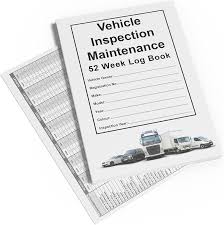
Every commercial vehicle operator in the UK has a legal obligation to ensure their fleet is roadworthy before each journey begins. The fleet vehicle inspection logbook daily walkaround UK requirement sits at the heart of operator licence compliance, and getting it wrong can lead to prohibition notices, fixed penalties, and in serious cases, loss of your operator's licence. Whether you run two vans or two hundred HGVs, understanding what daily checks must cover and how to record them properly is non-negotiable for any transport operation.
The Legal Basis for Daily Walkaround Checks
Daily walkaround checks aren't simply good practice — they're a fundamental condition of holding an operator's licence. Under the Goods Vehicles (Licensing of Operators) Act 1995 and the associated regulations, every operator must have systems in place to ensure vehicles are fit for the road. The Driver and Vehicle Standards Agency (DVSA) expects operators to demonstrate these systems through documented evidence, which is where your inspection logbook becomes essential.
For drivers, the Road Vehicles (Construction and Use) Regulations 1986 place a personal responsibility to ensure the vehicle is roadworthy. This means a driver who takes out a defective vehicle can face prosecution regardless of what the operator's systems say. The walkaround check protects both parties — it gives drivers confidence their vehicle is safe, and it gives operators documented proof that proper checks were completed.
The Traffic Commissioner guidance, known as the Senior Traffic Commissioner's Statutory Documents, sets out clear expectations for maintenance systems. Document 2 specifically covers maintenance arrangements and makes plain that daily checks must be recorded. Failure to maintain proper records is treated as a serious compliance failing during DVSA audits and can count against you at public inquiry.
What a Daily Walkaround Check Must Cover
The scope of a daily walkaround check depends on the vehicle type, but certain core items apply across all goods vehicles and larger passenger vehicles. The DVSA provides guidance on minimum standards, though many operators sensibly exceed these requirements based on their specific operations and risk assessments.
For a standard HGV or large goods vehicle, the walkaround should cover lights and reflectors, including all front, rear, side, and brake lights. Mirrors and glass must be checked for damage and cleanliness. Tyres require inspection for tread depth, damage, and correct inflation — remember that commercial vehicles have different minimum tread depth requirements than cars. Wheel fixings should be visually inspected for missing or loose wheel nuts, and any signs of movement or heat discolouration noted.
The check must also cover braking systems, including service brake operation and parking brake effectiveness. Steering should be assessed for excessive play or unusual noises. Fuel and oil leaks require attention, along with security of load and load restraint equipment. Warning lights on the dashboard must be checked with the ignition on, and any warning indicators investigated before the journey begins.
For vehicles with trailers, additional checks cover coupling security, trailer brake connections, landing gear condition, and trailer lighting connections. Refrigerated units need temperature checks and recording equipment verification. Tachograph compliance is a related but separate legal requirement that should be verified as part of the pre-journey routine.
Recording Defects in Your Inspection Logbook
The inspection logbook serves two distinct purposes: confirming that a check was carried out, and recording any defects found. Both elements matter equally. A logbook that only ever shows 'no defects' will attract DVSA suspicion just as quickly as one with obvious gaps in dates.
When recording defects, the entry should include the date and time of the check, the vehicle registration, the driver's name and signature, a clear description of any defect found, and an assessment of whether the defect makes the vehicle immediately unroadworthy or can be safely monitored until repair. Defects that affect roadworthiness must prevent the vehicle from being used until rectified.
Your logbook system should show a clear link between defects reported by drivers and repairs carried out by your workshop or maintenance provider. This audit trail is precisely what DVSA investigators look for. If a driver reports a brake issue on Monday and the vehicle shows no maintenance record until Thursday, you'll have questions to answer about those intervening days.
Many operators now use digital defect reporting systems that automatically timestamp entries and link to workshop job cards. These systems are fully acceptable to DVSA provided they meet the same evidential standards as paper records. Whichever system you use, records must be kept for at least 15 months and be readily available for inspection.
Driver Responsibilities and Training
Drivers carrying out walkaround checks need proper training on what to look for and how to assess whether a defect is serious enough to take the vehicle off the road. This isn't something that can be assumed — a driver who passed their HGV test years ago may not be current on what constitutes a fail-worthy tyre defect or the visual signs of brake fade.
Training records should document what walkaround training each driver has received and when. Refresher training is advisable, particularly when new vehicle types enter the fleet or when defect patterns suggest knowledge gaps. If a vehicle is prohibited at the roadside for a defect that should have been caught during the walkaround, the driver's training record becomes highly relevant.
Operators should make clear that honest defect reporting is expected and will never result in negative consequences for drivers. A culture where drivers feel pressured to pass vehicles as fit, or where raising defects is seen as causing problems, is exactly the environment that leads to serious incidents and subsequent enforcement action.
What DVSA Looks for During Compliance Audits
When DVSA investigates an operator's maintenance systems, walkaround check records form a central part of their assessment. Investigators will typically select vehicles at random and trace their complete maintenance history, including every daily check record, defect report, and subsequent repair.
Gaps in records are treated seriously. If a vehicle was used on a date but no walkaround record exists for that day, the operator cannot demonstrate compliance. Similarly, records that appear retrospectively completed — multiple days entered in identical handwriting with the same pen — will be questioned.
DVSA also compares defect frequency across your fleet. A vehicle that never shows any defects over months of operation is statistically improbable and suggests either inadequate checking or dishonest recording. Some defects — bulb failures, minor oil leaks, tyre damage — occur naturally in any working fleet. Their absence from records raises questions about the integrity of your entire system.
Prohibition data feeds into this assessment. If your vehicles are regularly stopped and prohibited for defects at the roadside, but your walkaround records show nothing, the disconnect is obvious and damaging. Before purchasing any used commercial vehicle for your fleet, running a comprehensive vehicle history check can reveal previous MOT failures and advisory items that might indicate ongoing maintenance concerns.
Choosing the Right Logbook System
Paper logbooks remain perfectly acceptable and are still widely used across the UK transport industry. The advantages are simplicity and zero technology dependence — a driver with a pen can complete their check regardless of phone signal or battery life. Disadvantages include storage requirements, difficulty searching historical records, and the potential for pages to be lost or damaged.
Digital systems, whether smartphone apps or dedicated hardware, offer searchability, automatic backup, and often integration with workshop management systems. Many allow photographs to be attached to defect reports, providing clearer evidence than written descriptions alone. The DVSA has confirmed that electronic records are acceptable provided they meet authenticity and integrity requirements — entries must be timestamped, attributable to an identified driver, and tamper-evident.
Hybrid systems exist where drivers complete paper checks that are subsequently scanned or transcribed into a digital system. This approach can work but creates administrative overhead and potential for transcription errors. Whatever system you choose, ensure it actually gets used consistently by every driver, every day, for every vehicle.
Consequences of Non-Compliance
The consequences of inadequate walkaround check systems range from fixed penalties to criminal prosecution and operator licence revocation. At the lighter end, a driver stopped at the roadside with a defective vehicle may receive a fixed penalty and the vehicle may be prohibited until repairs are made. These prohibitions are recorded and form part of the operator's compliance history.
More serious patterns of non-compliance lead to DVSA investigation and potentially referral to the Traffic Commissioner. At public inquiry, an operator must explain and justify their maintenance systems. Records of daily checks — or the absence of such records — form key evidence. Traffic Commissioners have revoked operator licences for persistent maintenance failings, and have disqualified transport managers who failed to establish adequate systems.
Beyond regulatory consequences, inadequate maintenance creates genuine safety risks. Brake failures, tyre blowouts, and steering defects kill people. An operator whose inadequate walkaround system contributed to a fatal incident faces corporate manslaughter investigation. No amount of commercial pressure justifies running defective vehicles.
Frequently Asked Questions
How long must we keep daily walkaround check records?
The standard requirement is to retain all maintenance records, including daily check records, for at least 15 months. Many operators keep them for longer as protection against delayed claims or investigations. Digital storage makes extended retention practical and advisable.
Can we use a single driver signature for multiple vehicles checked the same day?
Each vehicle must have its own separate check record. If one driver checks multiple vehicles before different journeys, each check should be individually recorded with its own timestamp and signature. A single entry covering multiple vehicles won't satisfy DVSA requirements.
What happens if we find a defect after the driver has signed off the check?
If a defect is discovered after the initial check but before the journey, the record should be amended to show the defect and any action taken. The vehicle should not be used if the defect affects roadworthiness. Honesty in records is always the correct approach — attempting to hide discovered defects creates far worse problems than admitting them.
Are daily checks required on weekends and bank holidays?
Checks are required every day a vehicle is used, regardless of the calendar date. If vehicles operate on weekends or bank holidays, walkaround checks must be completed and recorded on those days. If vehicles are not used on certain days, no check is required, but the logbook should clearly show the vehicle was not in use.
Do hired or agency drivers need to complete our walkaround forms?
Yes. Any driver operating your vehicles must complete your walkaround check system. Agency drivers should receive briefing on your requirements and the location of your logbooks or digital system. Their checks must meet the same standard as your permanent drivers.
Key Takeaways
- Daily walkaround checks are a legal requirement for all vehicles operating under an operator's licence, and must be recorded in your fleet inspection logbook without exception.
- Records must show a clear audit trail from defect reporting through to completed repairs, with no unexplained gaps in dates or vehicle usage.
- DVSA investigators specifically examine walkaround records during compliance audits and will question both missing records and suspiciously clean ones.
- Drivers need documented training on conducting checks properly and assessing defect severity — assumptions about existing knowledge are not sufficient.
- Both paper and digital logbook systems are acceptable, but whichever you choose must be used consistently by every driver for every journey.
- The consequences of inadequate systems range from fixed penalties through to licence revocation and, in cases involving incidents, potential corporate manslaughter charges.