Food Hygiene Ratings and Record Keeping: What Inspectors Actually Check
Your food hygiene rating depends heavily on your documentation. Here's exactly what Environmental Health inspectors look for in your logbooks and how good records improve your score.
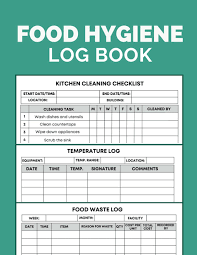
When an Environmental Health Officer walks through your kitchen door, they're not just checking whether your fridge is cold or your chef is wearing a hat. A significant portion of your food hygiene rating depends on something far less visible: your paperwork. Understanding food hygiene rating record keeping UK requirements is essential for any food business serious about achieving and maintaining a high score. Your documentation tells inspectors the story of your food safety practices over weeks and months, not just the snapshot they see during their visit.
The Food Hygiene Rating Scheme operates across England, Wales, and Northern Ireland, with scores ranging from 0 (urgent improvement necessary) to 5 (very good). What many business owners don't realise is that record keeping directly influences your score in the "confidence in management" category — one of three equally weighted assessment areas. Poor documentation can drag down an otherwise excellent operation, while thorough records can demonstrate your commitment to food safety even when inspectors find minor physical issues.
How the Food Hygiene Rating System Works
The Food Standards Agency's rating scheme assesses food businesses across three core areas: hygienic food handling, physical condition of the premises, and confidence in management. Each category contributes to your overall rating, but it's the third area — confidence in management — where your record keeping makes the biggest impact.
Inspectors score each category from 0 to 25, with lower scores being better. Your combined score then translates to a rating between 0 and 5. The confidence in management score examines your food safety management system, staff training records, and crucially, how well you document and verify your safety procedures. A business with perfect physical conditions but no documented evidence of ongoing monitoring could still receive a disappointing rating.
Environmental Health Officers are trained to look beyond what's visible during their inspection. They want evidence that safe practices happen consistently, not just on the day they visit. This is where your food safety logbook becomes your most valuable asset.
The Core Records Every Food Business Must Keep
Certain documentation forms the backbone of any food safety management system, and inspectors expect to see these without exception. Temperature monitoring records top the list. You must document fridge and freezer temperatures daily, typically at the start of each working day. These records should show the date, time, actual temperature reading, and the initials of the person who took the measurement. Any readings outside safe ranges require a corrective action note explaining what you did to address the problem.
Cooking and cooling records are equally vital, particularly for businesses handling high-risk foods. When you cook meat, poultry, or other items that require thorough heating, document the core temperature achieved. Similarly, when cooling cooked foods for later use, record the time taken to bring temperatures down to safe levels. The two-hour rule for cooling — getting food from 63°C to below 8°C — should be evidenced in your logs.
Delivery acceptance records prove you're checking incoming goods properly. Note the date, supplier, products received, and condition on arrival. Temperature checks of chilled and frozen deliveries should be recorded, along with any items you rejected and why. This demonstrates you're not simply accepting whatever arrives at your door.
Cleaning schedules and records show inspectors that hygiene isn't left to chance. Your schedule should specify what needs cleaning, how often, what products to use, and who's responsible. Completed cleaning tasks should be signed off, creating a verifiable history of your hygiene practices.
What Inspectors Look For in Your Documentation
Having records is one thing; having records that satisfy an inspector is another. Environmental Health Officers are experienced at spotting documentation that's been filled in hastily before their arrival or records that look too perfect to be genuine. They're looking for authentic, working documents that reflect the reality of your daily operations.
Consistency matters enormously. If your temperature log shows readings taken at 8am every single day for three months, with no variations and no gaps, inspectors may question whether monitoring is actually happening. Real logs typically show slight variations in timing, the occasional missed day with an explanation, and different staff members' signatures throughout.
Corrective actions are perhaps the most telling element of your records. When something goes wrong — a fridge temperature creeping up, a delivery arriving warm — what did you do about it? Inspectors want to see that you identified the problem, took appropriate action, and documented both. A temperature log that never shows any issues over months of trading can actually raise suspicions rather than inspire confidence.
Inspectors also check that records are contemporaneous, meaning they were completed at the time of the activity rather than retrospectively. Dates should be in chronological order, ink colour shouldn't suddenly change mid-log, and there shouldn't be multiple entries in identical handwriting claiming to be from different staff members.
Training and Competence Documentation
Beyond operational records, inspectors assess whether your team has the knowledge to handle food safely. Staff training documentation forms a crucial part of this assessment. Every food handler should have evidence of appropriate training, whether through formal qualifications like the Level 2 Food Safety certificate or through documented in-house training.
Keep copies of any certificates staff have obtained, noting the date achieved and when refresher training is due. Most food safety qualifications recommend renewal every three years, and inspectors will note if your team's training has lapsed. For in-house training, maintain records of what topics were covered, when sessions occurred, and who attended.
Supervision records matter too, particularly for businesses employing staff without formal qualifications. If you're relying on supervised learning, document how this supervision works, who provides it, and how you verify that staff are competent before allowing them to work independently. A clear staff training tracker demonstrates your commitment to maintaining competent food handlers throughout your team.
Your Food Safety Management System
The Food Standards Agency requires all food businesses to have a documented food safety management system based on HACCP principles. For smaller businesses, the Safer Food Better Business pack provides a ready-made framework, while larger operations may need bespoke systems developed by food safety consultants.
Whatever system you use, inspectors expect it to be a living document that reflects your actual operations. The diary section of Safer Food Better Business, for instance, should contain regular entries showing that you're actively using the system. An untouched pack with pristine pages suggests it's gathering dust rather than guiding your practices.
Your system should be reviewed and updated whenever your operations change. New menu items, different suppliers, changes to cooking methods, or alterations to your premises all require corresponding updates to your documentation. Inspectors often ask about recent changes and then check whether your records reflect them.
Allergen Management Records
Since allergen legislation tightened in the UK, particularly following Natasha's Law requirements for prepacked for direct sale foods, allergen documentation has become a significant inspection focus. You must be able to demonstrate that you know what allergens are present in every dish you serve and that this information is accurately communicated to customers.
Maintain detailed ingredient records for each menu item, including branded products used and their allergen content. When suppliers change products or you modify recipes, update your allergen information immediately. Keep evidence of staff allergen training and procedures for handling allergen queries from customers.
Cross-contamination controls should be documented too. If you prepare allergen-free meals in the same kitchen as allergen-containing foods, your records should show how you prevent cross-contact. Dedicated equipment, specific cleaning protocols, and preparation sequences all need documenting.
Digital Versus Paper-Based Record Keeping
Both paper and digital record keeping systems are acceptable to inspectors, provided they meet the fundamental requirements of being accurate, contemporaneous, and accessible. Each approach has advantages worth considering for your business.
Paper-based systems, such as traditional food safety logbooks, offer simplicity and reliability. They don't require electricity or internet connectivity, can't crash or malfunction, and are straightforward for all staff to use regardless of technical ability. The physical presence of a logbook in your kitchen serves as a constant reminder to complete checks.
Digital systems offer advantages in data analysis, remote access, and automatic timestamping that makes record authenticity easier to verify. Some systems send alerts when checks are missed or temperatures fall outside safe ranges. However, you must ensure reliable backup procedures and consider how you'll maintain records during system outages.
Whichever system you choose, consistency is key. Switching between methods mid-stream or maintaining parallel systems can create confusion and gaps that inspectors will identify.
Preparing Your Records for Inspection
While inspections are typically unannounced, keeping your records inspection-ready at all times should be standard practice rather than emergency preparation. Store current logbooks and records where staff can access them easily during daily operations and where you can present them quickly when an inspector arrives.
Organise historical records systematically. Inspectors may ask to see documents from specific periods or want to review trends over time. Being able to locate records from six months ago without lengthy searches demonstrates good management practices.
Review your own records regularly as part of your management oversight. This isn't just good practice for inspections — it helps you identify problems, spot patterns, and improve your operations. Monthly reviews of temperature logs, cleaning records, and training documentation should become routine.
Frequently Asked Questions
How long must I keep food safety records?
The general recommendation is to retain food safety records for at least 12 months, though many businesses keep them for two to three years. For products with longer shelf lives, records should be kept for the product's shelf life plus an additional 12 months. Training records should be retained for the duration of employment plus a reasonable period afterwards.
Can I fail an inspection solely because of poor record keeping?
While poor records alone rarely result in the lowest ratings, inadequate documentation significantly impacts your confidence in management score. Combined with even minor physical issues, poor records can drag your rating down substantially. A business with good physical standards but no documented food safety system could realistically receive a 3 rather than a 5.
What happens if I've genuinely missed recording something?
Inspectors understand that occasional gaps occur in busy commercial kitchens. The key is honesty — don't try to backfill records retrospectively. Note the gap, explain why it happened, and document what you've done to prevent future occurrences. This demonstrates mature management rather than trying to create a false picture of perfection.
Do I need different records for different types of food businesses?
The core principles apply across all food businesses, but specific requirements vary. A takeaway handling predominantly high-risk cooked foods needs more intensive temperature monitoring than a bakery selling ambient products. Your records should reflect the actual hazards in your operation rather than following a one-size-fits-all approach.
Will inspectors accept records written in languages other than English?
Records must be accessible to inspectors, which typically means English. If your staff find it easier to complete daily logs in another language, consider bilingual forms or ensure that you can provide immediate translation during inspections. The critical point is that inspectors can understand and verify your records.
Key Takeaways
- Record keeping directly affects your food hygiene rating through the "confidence in management" scoring category, making thorough documentation as important as physical cleanliness.
- Temperature logs, delivery records, cleaning schedules, and training documentation form the core records every food business must maintain and be able to present during inspections.
- Inspectors look for authentic, contemporaneous records with evidence of corrective actions when problems occur — overly perfect documentation can actually raise suspicions.
- Your food safety management system must be a working document that reflects current operations and is updated whenever your business practices change.
- Allergen documentation has become increasingly important and should include detailed ingredient records, staff training evidence, and cross-contamination control procedures.
- Whether you choose paper logbooks or digital systems, consistency and accessibility matter more than the format — keep records organised and inspection-ready at all times.