Food Safety Logbooks: Legal Requirements for UK Businesses
UK food businesses must keep temperature logs, cleaning records and HACCP documentation. Here's exactly what food safety law requires and what inspectors look for.
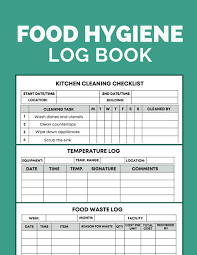
Understanding food safety logbook legal requirements UK is essential for anyone running a food business, from restaurants and cafés to care homes and school kitchens. While there's no single law that says "you must keep a logbook," the combination of food safety regulations means that maintaining proper records isn't just good practice — it's a legal necessity. Environmental Health Officers expect to see documented evidence that you're managing food safety risks, and failure to produce these records during an inspection can result in enforcement action, poor hygiene ratings, or even prosecution.
The Legal Framework Behind Food Safety Records
Food safety record-keeping requirements in the UK stem primarily from Regulation (EC) No 852/2004, which was retained in UK law following Brexit. This regulation requires all food business operators to implement food safety management procedures based on HACCP (Hazard Analysis and Critical Control Points) principles. While the regulation doesn't explicitly mandate a physical logbook, it does require businesses to maintain documentation proportionate to the nature and size of their operation.
The Food Safety Act 1990 and the Food Hygiene (England) Regulations 2013 (with equivalent regulations in Scotland, Wales, and Northern Ireland) further reinforce these obligations. Together, these laws create a framework where documented evidence of food safety management isn't optional — it's how you demonstrate compliance. When an Environmental Health Officer visits your premises, they're not just looking at your kitchen surfaces; they want to see proof that you consistently follow safe practices.
What Records Must Food Businesses Keep?
The specific records you need depend on your business type, but most food businesses handling high-risk foods should maintain documentation in several key areas. Temperature monitoring sits at the heart of food safety record-keeping. You need to log fridge and freezer temperatures daily, typically checking that fridges operate at 8°C or below and freezers at -18°C or below. Many businesses record these temperatures twice daily — at opening and closing — to demonstrate consistent control.
Cooking and cooling records prove equally important for businesses preparing food on-site. When cooking high-risk foods like poultry, you should record that the core temperature reached at least 75°C, or 70°C for two minutes. Similarly, if you're cooling cooked food for later use, you need to document that it reached 8°C or below within 90 minutes and was then refrigerated.
Delivery records form another crucial category. When accepting food deliveries, you should check and record temperatures of chilled and frozen goods, noting any issues with packaging, use-by dates, or vehicle cleanliness. This creates a paper trail showing you only accepted food in proper condition.
Cleaning schedules and records demonstrate that you maintain a hygienic environment. While a cleaning schedule alone might not require detailed logs for every task, you should maintain signed records showing that critical cleaning — particularly of food preparation surfaces and equipment — happens as planned.
HACCP Documentation Requirements
HACCP-based procedures sit at the core of UK food safety law, and your documentation must reflect this systematic approach to hazard control. The Food Standards Agency's Safer Food, Better Business (SFBB) pack serves as the most commonly used HACCP system for smaller businesses, providing pre-written procedures and diary pages for daily records.
Your HACCP documentation should identify the hazards specific to your operation — whether biological (bacteria, viruses), chemical (cleaning products, allergens), or physical (glass, metal fragments). For each identified hazard, you need documented control measures explaining how you prevent or reduce the risk to acceptable levels. Critical control points require particular attention, with clear critical limits, monitoring procedures, and corrective actions documented and followed.
The documentation must show not just what you planned to do, but evidence that you actually did it. This is where daily logs, temperature records, and signed checklists become invaluable. They transform your HACCP system from a theoretical document into living proof of food safety management. A comprehensive food safety logbook brings all these elements together in one accessible location.
Allergen Record-Keeping Obligations
Since December 2014, strict allergen information requirements have applied to all food businesses under the EU Food Information for Consumers Regulation. You must be able to tell customers whether any of the 14 major allergens are present in your food, and this requires robust record-keeping systems.
Your allergen documentation should include ingredient specifications from suppliers showing allergen content, recipes for all dishes with allergen information clearly marked, and training records proving staff understand allergen risks and communication requirements. Following Natasha's Law (which came into effect in October 2021), businesses selling prepacked for direct sale (PPDS) food must also keep records supporting the full ingredient lists now required on labels.
When a customer asks about allergens, you need to provide accurate information quickly. This is only possible if you've maintained proper records of ingredients and recipes, and if these records are updated whenever you change suppliers or modify dishes.
How Long Must You Retain Food Safety Records?
UK food safety law doesn't specify exact retention periods for all records, but general guidance suggests keeping most food safety documentation for a minimum of three months, with some records warranting longer retention. The logic behind this relates to traceability — if a food poisoning outbreak occurs, investigators may need to trace your suppliers and practices back several months.
Temperature logs, delivery records, and daily HACCP diaries should be kept for at least three months. Training records deserve longer retention, ideally for the duration of each employee's tenure plus an additional period. Supplier specifications and allergen information should be retained for as long as you use those products, plus a reasonable period afterwards.
Some businesses choose to retain records for longer periods, particularly those in higher-risk sectors like care homes or hospitals where vulnerable populations are served. Digital record-keeping systems can make longer retention more practical, though whatever system you use must allow records to be readily accessible for inspection.
What Environmental Health Officers Look For
During a food hygiene inspection, Environmental Health Officers assess your record-keeping as part of their overall evaluation of your food safety management system. They're looking for evidence that you have procedures in place and that you follow them consistently — not just on inspection day, but every day.
Officers will typically ask to see your temperature records, checking for gaps, anomalies, and how you responded to any out-of-range readings. They'll examine your HACCP documentation to see whether it's specific to your business or a generic template that doesn't reflect your actual operations. Training records receive attention too, as officers want to see that staff handling food have received appropriate instruction.
Consistency matters enormously. A logbook showing temperatures recorded religiously for the past year carries far more weight than perfect records for the week before an inspection followed by obvious gaps in preceding months. Officers recognise patterns, and they're trained to spot records that look fabricated or completed retrospectively.
If your records reveal problems — consistently high fridge temperatures, for instance — but you can show that you identified the issue and took corrective action, this actually demonstrates good food safety management. The purpose of record-keeping isn't to prove perfection; it's to show you have control over food safety risks.
Consequences of Poor Record-Keeping
Failing to maintain adequate food safety records can result in serious consequences for your business. During an inspection, an inability to produce records demonstrating food safety management will count against you when the officer calculates your Food Hygiene Rating. Poor documentation frequently contributes to lower scores, even when physical hygiene standards appear acceptable.
More seriously, inadequate records can support enforcement action. Environmental Health Officers have powers to serve Hygiene Improvement Notices requiring you to address record-keeping failures within specified timeframes. In cases involving serious risk or persistent non-compliance, they can issue Hygiene Emergency Prohibition Notices, effectively closing your business until issues are resolved.
Prosecution remains possible for significant breaches of food hygiene regulations. If your lack of records contributed to a food poisoning outbreak, you could face criminal charges under the Food Safety Act 1990. Fines can reach unlimited amounts, and in the most serious cases, imprisonment is possible. Beyond legal penalties, the reputational damage from poor hygiene ratings or enforcement action can devastate a food business.
Choosing the Right Record-Keeping System
Your record-keeping system must work for your specific business. The Safer Food, Better Business pack works well for many small to medium food businesses, providing structured diary pages for daily records alongside management guidance. It's free from the Food Standards Agency and accepted by Environmental Health Officers nationwide.
Larger or more complex operations may need bespoke systems. Some businesses prefer digital solutions, using tablets or smartphones for temperature logging and checklist completion. These systems can offer advantages including automatic timestamps, alert notifications for missed checks, and easier long-term storage. However, digital systems must be reliable and accessible — if your tablet dies during an inspection and you can't access your records, you have a problem.
Whatever system you choose, it must be practical for daily use by your actual staff. The most comprehensive logbook is worthless if it sits unused because it's too complicated or time-consuming. A well-designed food safety logbook balances thoroughness with usability, making compliance achievable for busy kitchens.
Frequently Asked Questions
Is a food safety logbook legally required in the UK?
While no law specifically requires a "logbook," UK food safety regulations mandate that businesses maintain documented food safety management procedures based on HACCP principles. This effectively means keeping records of temperatures, cleaning, training, and other critical controls — which most businesses accomplish through a logbook or equivalent system.
What happens if I don't have food safety records during an inspection?
Missing records will negatively impact your Food Hygiene Rating and could result in enforcement action. Environmental Health Officers may issue improvement notices requiring you to implement proper record-keeping. In serious cases, particularly where food safety risks are identified, more severe enforcement including prosecution is possible.
How often should I record fridge temperatures?
Most guidance recommends checking and recording fridge and freezer temperatures at least once daily, with many businesses doing so twice — at opening and closing. The key is demonstrating consistent monitoring that would catch any equipment failures before food safety is compromised.
Can I keep food safety records digitally?
Yes, digital record-keeping is acceptable provided records are accurate, accessible, and can be produced for inspection when requested. Many businesses use digital temperature monitoring systems or apps for daily checks. Ensure you have backup procedures in case of technical failures.
Do I need different records for different types of food business?
Record-keeping requirements should be proportionate to your business's nature and size. A sandwich shop has different needs than a care home kitchen. However, core requirements around temperature monitoring, cleaning, and HACCP documentation apply across most food businesses handling open or high-risk foods.
Key Takeaways
- UK food safety law requires documented HACCP-based procedures, making record-keeping effectively mandatory for most food businesses handling high-risk foods.
- Essential records include temperature logs for fridges and freezers, cooking and cooling records, delivery checks, cleaning schedules, allergen information, and staff training documentation.
- Environmental Health Officers assess record-keeping during inspections, and poor documentation directly affects your Food Hygiene Rating and can trigger enforcement action.
- Records should typically be retained for at least three months, with training records and supplier specifications kept longer.
- Your record-keeping system must be practical for daily use — consistency over time matters more than complexity, and obvious gaps or retrospective completion will be noticed by inspectors.
- The Food Standards Agency's Safer Food, Better Business pack provides a free, accepted framework for smaller businesses, while larger operations may need bespoke or digital solutions.