HACCP Records: How to Keep Compliant Food Safety Documentation8
HACCP records prove your food safety system works — and inspectors will ask for them. Here's exactly what UK law requires and how to maintain compliant documentation.
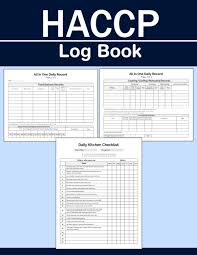
Keeping proper HACCP records isn't just bureaucratic box-ticking — it's the backbone of food safety compliance in the UK. When environmental health officers walk through your door, your HACCP records and food safety documentation are precisely what they'll want to see. Without them, you cannot demonstrate that your food safety management system actually works. You might have the best procedures in the world, but if you haven't documented them properly, you're exposed to enforcement action, and more importantly, you're putting your customers at risk.
This guide explains exactly what UK food businesses must record, how long to keep documentation, and practical approaches to maintaining compliant records that will satisfy inspectors and protect your business.
What HACCP Records Actually Are and Why They Matter
HACCP stands for Hazard Analysis and Critical Control Points — a systematic approach to identifying food safety hazards and controlling them before they cause harm. Your HACCP records are the documented evidence that you've identified these hazards, put controls in place, and consistently monitor them.
Under Regulation (EC) No 852/2004 (retained in UK law), food business operators must implement food safety management procedures based on HACCP principles. Article 5 specifically requires that documents and records be commensurate with the nature and size of the business. This means your corner café needs simpler documentation than a large food manufacturer, but both need something.
Records serve three crucial purposes. First, they prove to enforcement authorities that your system works. Second, they help you identify problems before they become serious — patterns in your monitoring data can reveal equipment failures or procedural breakdowns. Third, if something goes wrong and someone becomes ill, your records form part of your due diligence defence.
The Core Documents Every Food Business Needs
Regardless of your business size, certain records are non-negotiable. Your hazard analysis document should identify all potential biological, chemical, and physical hazards at each step of your food handling process. This isn't a one-time exercise — you need to review it whenever you change menus, suppliers, equipment, or processes.
You'll also need documented critical control points (CCPs) showing where hazards must be controlled and what the critical limits are. For most food businesses, this includes cooking temperatures, cooling times, and cold storage conditions. Each CCP needs a monitoring procedure, and each monitoring activity needs a record.
Your food safety management system documentation should include procedures for cleaning, pest control, staff training, supplier approval, and allergen management. Many smaller businesses use the Food Standards Agency's Safer Food Better Business pack or similar systems, which provide ready-made documentation structures. These are perfectly acceptable to inspectors provided you actually use them and keep the diary pages completed.
Daily, Weekly, and Periodic Monitoring Records
The monitoring records you complete regularly are where most businesses either succeed or fail at compliance. Temperature monitoring is the most common daily requirement — recording fridge and freezer temperatures, cooking temperatures for high-risk foods, and hot holding temperatures where applicable.
These records must show the date, time, temperature reading, who took the reading, and crucially, what corrective action was taken if temperatures were outside acceptable limits. An incomplete record showing that your freezer was at -12°C (above the -18°C requirement) without any note about what you did about it raises more questions than it answers.
Weekly checks typically cover cleaning schedules, pest monitoring, and equipment maintenance. Your cleaning schedule should show what was cleaned, when, by whom, and ideally be signed off by a supervisor. Pest control records should include any sightings, bait station checks, and proofing inspections.
Periodic records include staff training documentation, supplier audits, and your annual (or more frequent) HACCP review. Keep certificates and training records for all food handlers, including the date of training, topics covered, and any assessments completed.
How Long Must You Keep HACCP Records
UK food safety legislation doesn't specify exact retention periods for all records, which causes confusion. The general principle is that you must keep records for long enough to demonstrate ongoing compliance and to assist with any investigation or traceability recall.
For temperature monitoring and daily operational records, keeping them for at least one year is standard practice. Many businesses keep them for two years to be safe. Training records should be kept for the duration of employment plus at least three years afterwards — this protects you if a former employee's food handling is ever questioned.
Supplier documentation, including specifications and certificates, should be retained for the shelf life of the product plus one year. This ensures traceability if a problem emerges with a batch of ingredients after you've used them. Your HACCP plan and hazard analysis documents should be kept indefinitely, with all previous versions retained and clearly dated to show how your system has evolved.
For traceability records specifically, Regulation (EC) No 178/2002 requires that you can trace one step back and one step forward in the supply chain. Keep delivery notes, invoices, and batch information for at least one year after the expected shelf life of products.
Common Documentation Mistakes That Trigger Enforcement
Environmental health officers see the same problems repeatedly. The most damaging is blank records — having a beautiful system printed out but pages left unfilled. This suggests either that monitoring isn't happening or that records are being fabricated retrospectively, neither of which inspires confidence.
Inconsistent entries raise red flags too. If your fridge temperature log shows exactly 3°C every single day for six months, inspectors will suspect you're writing in numbers without actually checking. Real temperature logs show slight variations. Similarly, signatures that look identical and are clearly done with the same pen on the same day suggest batch completion rather than daily monitoring.
Failing to record corrective actions is another frequent problem. Your monitoring picked up that the probe thermometer was reading incorrectly — excellent. But what did you do about it? Did you recalibrate it? Replace it? Re-check the foods you'd tested with it? Without this information, the record is incomplete.
Finally, keeping records in poor condition — stained, torn, or illegible — undermines their value. Store completed logbooks somewhere dry and organised. If an inspector can't read your records, they can't give you credit for them.
Digital Versus Paper Record Systems
Both paper and digital records are acceptable under UK law, and each has advantages. Paper logbooks are familiar, require no technical setup, work during power cuts, and are easily understood by all staff. For many small food businesses, a well-maintained food safety logbook remains the most practical choice.
Digital systems offer automatic time-stamping, remote access, data analysis capabilities, and elimination of handwriting legibility issues. Wireless temperature sensors can log readings continuously without staff intervention, providing a complete picture rather than snapshots. However, digital systems require backup procedures, staff training, and contingency plans for technical failures.
If you use digital records, ensure you can produce printed copies for inspectors who may not have access to your systems. Also verify that records cannot be retrospectively altered without leaving an audit trail — this is essential for the integrity of your documentation.
Many businesses use a hybrid approach: digital temperature monitoring combined with paper checklists for cleaning and other manual tasks. There's no single right answer, but whatever system you choose must be used consistently.
Preparing Your Records for Inspection
Environmental health inspections can be announced or unannounced, so your records should always be inspection-ready. This doesn't mean hiding problems — it means having everything organised and accessible.
Keep current monitoring records where staff complete them, but have completed logbooks filed systematically where you can retrieve any month's records within minutes. A simple filing system by year and month is sufficient. Know where your HACCP plan is, where training records are held, and who has access to supplier documentation.
Before an inspection, don't fabricate records for days you missed — this is worse than having gaps. If you have missing entries, acknowledge them to the inspector and explain what happened. A genuine oversight is forgivable; falsification is not.
During inspection, be prepared to explain your records. Can you describe what each column means? Can you show the inspector how you would respond to an out-of-range reading? Demonstrating understanding of your own system is as important as having the paperwork.
Building a Record-Keeping Culture
The businesses with the best compliance don't treat record-keeping as a chore — they've built it into their operational rhythm. This starts with training: every staff member who monitors anything should understand why they're recording it, not just how.
Make recording easy by keeping logbooks where monitoring happens. The temperature monitoring logbook should be next to the fridges, not in an office upstairs. Pens should be attached or nearby. If recording is inconvenient, staff will skip it or batch-complete it later.
Management must review records regularly — not just at inspection time. Weekly review of temperature logs and cleaning schedules catches problems early and shows staff that their records matter. If nobody ever looks at the logbook, staff quickly conclude that filling it in is pointless.
Finally, celebrate good record-keeping. When your food hygiene rating improves or an inspector specifically praises your documentation, share that with the team. People take pride in doing things well when their effort is recognised.
Frequently Asked Questions
What happens if I lose my HACCP records?
Lost records put you in a difficult position during inspection, as you cannot prove compliance for the period covered. Reconstruct what you can from other sources (supplier invoices, staff rotas indicating who was responsible for monitoring) and implement better storage immediately. Consider scanning critical records as backup. Honestly explain the situation to inspectors rather than attempting to recreate records from memory.
Can I use the same logbook for multiple food safety records?
Yes, combined logbooks are common and perfectly acceptable. Many businesses use a single daily diary covering temperature checks, cleaning verification, and delivery records. The key is clear organisation so that each type of record can be easily located and reviewed. Separate sections or clearly labelled columns help achieve this.
How detailed do corrective action records need to be?
Detailed enough to show what problem was identified, what immediate action was taken, and what was done to prevent recurrence. For example: "Fridge 2 at 9°C at 08:00. Contents checked — all safe. Condensing unit cleaned. Temperature rechecked at 10:00 — reading 4°C. Engineer booked for service 15th." This shows the problem, response, verification, and follow-up.
Do I need to keep records if I follow Safer Food Better Business?
Yes — SFBB includes diary pages specifically for recording your daily checks. The pack itself serves as your documented food safety management system, but you must complete the monitoring sections regularly. An unused SFBB pack provides no evidence of compliance. Treat the diary pages as your primary operational records.
Are there penalties for poor record-keeping specifically?
While there's no specific offence of poor record-keeping, inadequate documentation contributes to lower food hygiene ratings and can support prosecution for failing to implement adequate food safety procedures. In serious cases, improvement notices may require you to demonstrate better record-keeping within a specified period.
Key Takeaways
- HACCP records are legal requirements under UK food safety law — they prove your food safety management system works and form your due diligence defence.
- Core documentation includes your hazard analysis, critical control points, monitoring records, cleaning schedules, training certificates, and supplier information.
- Keep daily operational records for at least one year, training records for employment duration plus three years, and traceability documents for product shelf life plus one year.
- Record corrective actions whenever monitoring reveals a problem — incomplete entries raise more concerns than the original issue.
- Whether you choose paper logbooks or digital systems, consistency and accessibility matter more than sophistication.
- Build record-keeping into daily operations with convenient placement of logbooks, regular management review, and staff understanding of why documentation matters.