How to Keep a Yacht Logbook: A Complete Guide
A yacht logbook records position, weather, crew, and incidents. Here's exactly what to enter, how often, and why a well-kept logbook matters for safety and insurance.
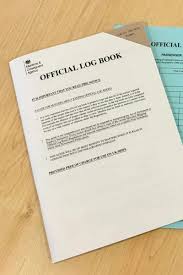
A well-maintained yacht logbook serves as the official record of every voyage you undertake, documenting everything from navigation details and weather conditions to crew changes and mechanical issues. Understanding how to keep a yacht logbook UK skippers rely upon isn't merely about ticking boxes — it's about creating a comprehensive record that proves invaluable for safety, insurance claims, legal protection, and improving your seamanship over time. Whether you're a recreational sailor exploring the Solent or an experienced yachtsman crossing the Channel, proper logbook keeping is a fundamental skill that separates competent skippers from truly professional ones.
Why Every Yacht Needs a Properly Maintained Logbook
The yacht logbook has been a cornerstone of maritime practice for centuries, and its importance hasn't diminished in the age of GPS and electronic navigation. While modern instruments provide real-time data, they don't create the permanent, contemporaneous record that a written logbook does. In the event of an incident, investigation, or insurance claim, your logbook becomes the primary evidence of what happened, when, and what decisions you made.
From a legal perspective, the logbook demonstrates that you exercised proper seamanship and due diligence. If you're ever involved in a collision, grounding, or other maritime incident, investigators will want to examine your logbook entries. A detailed, well-kept log shows that you were monitoring conditions, making appropriate decisions, and taking reasonable precautions — all crucial elements in establishing that you weren't negligent.
Insurance companies particularly value comprehensive logbooks. When processing claims for damage, theft, or third-party liability, insurers look for evidence that supports your version of events. A logbook entry made at the time of an incident carries far more weight than recollections provided weeks later. Some marine insurers even offer reduced premiums to skippers who can demonstrate consistent logbook practices.
Essential Information to Record in Every Entry
Every logbook entry should begin with the basics: date, time (using the 24-hour clock), and your position. Position can be recorded as GPS coordinates, a bearing and distance from a known landmark, or your location relative to navigation marks. The key is consistency — establish a format and stick to it throughout the logbook.
Weather conditions deserve particular attention. Record the wind direction and strength (using the Beaufort scale or knots), sea state, visibility, barometric pressure, and any notable changes. This information helps you track developing weather patterns and provides crucial context if conditions deteriorate. Include cloud cover and type if you have the knowledge to identify them, as these observations can indicate approaching weather systems.
Navigation details should include your course (both steered and made good), speed over ground, and any course alterations. Note when you pass waypoints, buoys, or significant landmarks. If you're using electronic navigation, record any discrepancies between your chartplotter and visual observations — these could indicate equipment issues or chart inaccuracies.
Engine hours and fuel consumption matter for maintenance planning and range calculations. Record when the engine is started and stopped, the hours run, and fuel levels. This creates a maintenance history that's valuable for servicing schedules and resale purposes.
How Often Should You Make Logbook Entries
The frequency of logbook entries depends on your circumstances, but certain triggers should always prompt an entry. At minimum, record details at the start of each watch, at hourly intervals during passage, and whenever significant changes occur.
Significant changes requiring immediate logging include: alterations to course or speed, weather changes, sighting other vessels (particularly in busy shipping lanes or reduced visibility), equipment failures or alarms, and any incidents involving the vessel or crew. If something seems noteworthy at the time, it probably deserves a logbook entry.
In pilotage waters — harbours, estuaries, and areas requiring close navigation — entries should be more frequent. Record the time you pass each navigation mark, your depth readings in shallow water, and any traffic you encounter. This detailed record proves invaluable if questions later arise about your navigation decisions.
During night passages, maintain the same logging discipline as daylight hours. The temptation to reduce entries when tired is understandable but should be resisted. Night hours often present the greatest challenges, and your logbook should reflect the additional vigilance required.
Recording Crew Information and Watch Systems
Your logbook should include a crew list for every passage, recording names, roles, and relevant qualifications. This isn't bureaucracy for its own sake — it establishes who was aboard in case of emergency and demonstrates that you had appropriate crew for the conditions.
Document your watch system clearly. Record who takes over each watch, their specific responsibilities, and any instructions passed between watches. A proper handover should include: current position, course, weather conditions, traffic in the area, any concerns about navigation or equipment, and expected developments. The incoming watchkeeper should sign or initial to confirm they've received the handover.
Note any crew issues that might affect safety or performance. This includes seasickness (which affects watchkeeping ability), injuries however minor, and fatigue levels. Recording that you noticed a crew member was struggling and adjusted the watch system accordingly demonstrates good seamanship.
For longer passages, maintain a record of provisions and water consumption. Running short of essentials mid-passage is poor planning, and your logbook helps you track consumption rates for future voyage planning.
Documenting Incidents, Emergencies, and Near Misses
When incidents occur, thorough documentation becomes critical. Record the exact time, position, conditions, and a detailed description of what happened. Include the sequence of events leading up to the incident, actions taken in response, and the outcome. Be factual rather than speculative — record what you observed, not what you think might have happened.
For near misses and close-quarters situations with other vessels, record the other vessel's details if known (name, type, approximate size, registration or MMSI number), their course and speed, and the actions both vessels took. This information could prove essential if the other party later makes a complaint or claim.
Equipment failures require detailed logging even when you manage to resolve them. Record what failed, when, the symptoms observed, any troubleshooting attempted, and whether the repair was successful. This creates a maintenance history and may help identify recurring problems. If the failure affected your navigation or safety, document how you managed the situation.
Any contact with the coastguard, harbourmasters, or other authorities should be logged with times, channels used, and a summary of the communication. Keep records of any requests for assistance or information you provided to others.
Choosing the Right Logbook Format
Traditional bound paper logbooks remain popular for good reason. They're reliable, don't require batteries, work in any conditions, and create an obviously contemporaneous record that's difficult to alter. A well-designed yacht logbook provides pre-printed columns for standard entries, ensuring you don't forget important details.
When selecting a paper logbook, look for quality binding that will withstand the marine environment, pages that don't smudge when wet, and a layout that matches your sailing style. Coastal cruisers need different detail levels than offshore racers. The marine logbooks available from specialist suppliers offer various formats suited to different types of sailing.
Electronic logbooks and apps offer advantages in data analysis and storage but have limitations. Batteries fail, screens are hard to read in bright sunlight, and electronic records are easier to alter (raising questions about authenticity). Many experienced skippers use electronic systems for backup and analysis while maintaining a primary paper log.
Whatever format you choose, store completed logbooks safely ashore. They form a permanent record of your sailing history and may be needed years later for insurance, legal, or regulatory purposes.
Common Logbook Mistakes to Avoid
The most common error is inconsistency — maintaining detailed logs when conditions are interesting but neglecting entries during routine passages. This creates gaps that undermine the logbook's value as a complete record. Develop the habit of regular entries regardless of how uneventful the sailing seems.
Avoid using correction fluid or heavily crossing out errors. If you make a mistake, draw a single line through it so the original remains legible, then write the correction. Alterations that obscure the original text raise questions about what was changed and why.
Vague entries help nobody. Writing "wind freshening" is less useful than "wind increased from F4 to F6 over 30 minutes, now sustained F6 gusting F7." Similarly, "some shipping in the area" tells you little compared to "container vessel bearing 045°, range 3nm, crossing ahead port to starboard."
Don't neglect the administrative entries. Record your annual safety equipment checks, VHF radio licence details, insurance policy numbers, and emergency contact information in the front of each logbook. This administrative section becomes a quick reference in emergencies.
Frequently Asked Questions
Is keeping a yacht logbook a legal requirement in the UK?
For private pleasure craft, there's no strict legal requirement to maintain a logbook. However, commercial vessels and those carrying passengers for hire must keep official logs as required by the Maritime and Coastguard Agency. Despite no legal obligation for recreational sailors, keeping a logbook is considered essential good seamanship and may be required by your insurance policy.
How long should I keep completed yacht logbooks?
You should retain yacht logbooks indefinitely, but certainly for a minimum of six years. This covers the limitation period for most civil claims and allows time for any incidents to be investigated. Many sailors keep logbooks for life as they provide a valuable personal record of their sailing history.
Should I record every short trip, even in familiar waters?
Yes. Even short trips in home waters can result in incidents, equipment failures, or encounters with other vessels. A brief entry recording the date, times, route, conditions, and fuel used takes moments but maintains the discipline of proper record-keeping and creates a complete history of your vessel's use.
What should I do if I discover an error in a previous entry?
Never remove pages or obscure previous entries. Instead, make a new dated entry referencing the error: "Correction to entry dated [date]: Position given as [incorrect] should read [correct]." This maintains the integrity of the record while correcting the mistake transparently.
Can a logbook entry be used as evidence in court?
Yes, logbook entries can be admitted as evidence in legal proceedings. Courts generally regard contemporaneous records — those made at or near the time of events — as more reliable than later recollections. A well-maintained logbook with consistent, detailed entries carries significant evidential weight.
Key Takeaways
- A yacht logbook creates an official record vital for safety, insurance claims, legal protection, and demonstrating competent seamanship to authorities and insurers.
- Every entry should include date, time, position, weather conditions, course, speed, and any significant observations or events — maintain this standard consistently.
- Record entries at least hourly during passage and immediately whenever circumstances change, incidents occur, or you encounter other vessels in close quarters.
- Document crew information, watch handovers, and any factors affecting crew performance to demonstrate proper management of your vessel.
- Choose a logbook format that suits your sailing style, keep entries legible and unaltered, and store completed logbooks safely for future reference.
- Avoid common mistakes including inconsistent entries, vague descriptions, and obscured corrections — these undermine the logbook's value as an accurate historical record.