RYA Logbooks: What Every Sailor Needs to Know
An RYA logbook records your sea miles and experience for qualifications. Here's what to log, how it's verified, and why accurate records matter for progression.
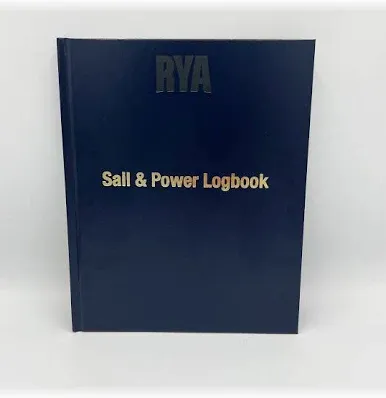
For anyone working towards RYA sailing qualifications, an RYA logbook serves as the official record of your time on the water. Every sea mile sailed, every night passage completed, and every skill practised gets documented here. Understanding how to maintain an RYA logbook is essential for UK sailors who want to progress through the qualification system, whether you're aiming for Day Skipper, Yachtmaster Coastal, or ultimately Yachtmaster Ocean. Your logbook isn't just a diary of adventures — it's evidence of competence that examiners and future employers will scrutinise carefully.
What Is an RYA Logbook and Why Does It Matter?
The Royal Yachting Association logbook is a standardised document designed to record your sailing experience in a format that's recognised across the UK boating industry and internationally. Unlike a personal journal where you might jot down memories of a pleasant sail, an RYA logbook captures specific, verifiable details that demonstrate your competence and experience level.
The primary purpose is straightforward: to provide evidence that you've accumulated sufficient sea time and experience to qualify for practical examinations. For Yachtmaster Coastal, you'll need 30 days, 2 days as skipper, 800 miles, and 12 night hours logged. Yachtmaster Offshore requires 50 days, 5 as skipper, 2,500 miles, and 5 passages over 60 miles. These aren't arbitrary figures — they represent the minimum experience the RYA considers necessary for safe, competent seamanship.
Beyond examinations, a well-maintained logbook becomes invaluable for charter companies assessing your suitability to hire their vessels, maritime employers evaluating job candidates, and insurance companies determining coverage terms. Your logbook effectively functions as a sailing CV, and like any CV, accuracy and presentation matter enormously.
The Official RYA Personal Logbook
The RYA publishes its own official personal logbook for recreational sailors, which remains the most widely recognised format in the UK. This G73 logbook provides pre-formatted pages with all the fields you need to complete, ensuring you capture every detail examiners expect to see.
The standard logbook includes sections for passage details (date, vessel name, departure and arrival ports, distance logged), weather conditions encountered, your role on board (crew, mate, or skipper), specific duties performed, and crucially, space for the skipper's signature validating your entry. The format guides you through exactly what information matters, removing any guesswork about what to record.
While digital alternatives exist, the physical RYA logbook remains the gold standard for examination purposes. Examiners can flick through pages, verify signatures, and assess your experience at a glance. Some sailors maintain both — a digital backup alongside their official paper logbook — which provides useful redundancy against loss or damage.
What Information Must You Record?
Every passage entry in your logbook should capture a consistent set of details. Start with the basics: the date, vessel name, and its specifications including length overall, sail number or registration, and rig type. Record your departure port with time, arrival port with time, and the total distance covered in nautical miles. Note whether it was a day sail or included night hours, as nocturnal experience carries significant weight for higher qualifications.
Weather conditions deserve particular attention. Record the wind strength and direction, sea state, visibility, and any significant weather changes during the passage. This information demonstrates you've sailed in varied conditions rather than only venturing out on perfect summer days. Examiners look favourably on experience in challenging weather — it shows you understand real-world sailing rather than just fair-weather pottering.
Your role on board must be clearly stated. Were you acting as skipper with full responsibility for the vessel, serving as mate with navigational or watchkeeping duties, or sailing as competent crew? The distinction matters enormously. Time as skipper carries more weight than time as crew, particularly for Yachtmaster examinations where command experience is essential.
Finally, record specific skills practised or responsibilities undertaken. Did you plan the passage? Handle the navigation? Manage anchoring or mooring? Execute a man overboard recovery drill? These details transform raw mileage into evidence of genuine learning and competence development.
Getting Your Logbook Entries Verified
A logbook filled with unverified entries holds limited value. The skipper's signature on each passage entry provides third-party confirmation that you were actually on board, sailed the distance claimed, and performed the role stated. Without this verification, examiners have no way to distinguish genuine experience from wishful thinking.
For each passage, ask the skipper to sign your entry before you part ways. It's surprisingly easy to forget this step in the busyness of arrival, unpacking, and farewells. Make signing the logbook part of your end-of-passage routine. If you're sailing with an RYA instructor or on a training course, they'll be familiar with the process. On recreational passages with friends or family who happen to hold suitable qualifications, don't be shy about asking — most experienced sailors understand the importance of logbook verification.
What qualifies someone to sign your logbook? Generally, they should be the person in command of the vessel for that passage. Ideally, they hold an RYA qualification themselves, though this isn't strictly mandatory for all entries. What matters most is that they can genuinely attest to your participation and role.
Some sailors run into difficulties when sailing their own boats without a qualified skipper aboard. In such cases, you can record the passage and sign as skipper yourself, but be aware that examiners may scrutinise self-verified entries more carefully. Supplementary evidence such as marina receipts, photographs, or AIS tracking data can help corroborate your claims.
Building Experience Strategically
Meeting the minimum requirements for your target qualification takes planning. Simply accumulating random sea miles won't necessarily prepare you well for examination — nor will it demonstrate the breadth of experience examiners want to see.
Diversity matters more than raw numbers. A candidate with 3,000 miles entirely in the Solent during summer months presents a narrower experience profile than someone with 2,500 miles across different cruising grounds, weather conditions, and vessel types. Aim to sail in various locations, experience different weather patterns, and ideally gain time on different boats.
Night sailing deserves deliberate pursuit. The night hours requirement exists because darkness fundamentally changes the sailing experience — navigation becomes more challenging, collision avoidance requires greater vigilance, and crew fatigue management becomes critical. Many sailors find night hours the hardest requirement to fulfil, so actively seek opportunities for overnight passages.
Consider delivery trips, which often cover significant distances quickly and frequently involve night sailing. Crewing for racing programmes can accumulate miles efficiently, though ensure you're genuinely developing practical seamanship rather than just pulling sheets on command. Training courses, flotilla holidays, and extended cruising all contribute valuable experience in different ways.
Common Logbook Mistakes to Avoid
The most damaging error is retrospective fabrication — inventing or exaggerating entries to meet qualification requirements. Beyond the ethical issues, examiners are experienced at spotting inconsistencies. Entries that lack specific details, show suspiciously perfect weather on every passage, or claim improbable distances for the routes described raise immediate red flags. If caught falsifying logbook entries, you'll fail your examination and damage your reputation within the sailing community.
Vague entries cause problems even when entirely honest. An entry stating simply "sailed from Portsmouth to Cowes, 15 miles, crew" tells the examiner very little. Compare this with: "Portsmouth to Cowes via Forts, 15 miles, crew. SW 4-5, moderate seas. Helmed for two hours, assisted with sail changes, practised chart plotting." The second entry demonstrates active engagement and learning.
Inconsistent recording creates difficulties when you're trying to total your experience for an examination application. If some entries lack distances, others omit night hours, and many don't clearly state your role, calculating whether you meet the requirements becomes frustrating and error-prone. Develop consistent habits early.
Forgetting to obtain signatures while the opportunity exists remains painfully common. Once you've said goodbye to a skipper, tracking them down weeks later to sign a belated entry proves awkward at best and sometimes impossible. Sign the logbook before you leave the boat.
Using Your Logbook for Examination Applications
When applying for practical examinations, you'll need to submit evidence of your logged experience. For RYA Yachtmaster examinations, this typically means presenting your completed logbook for inspection. The examiner will review your entries to confirm you meet the minimum requirements before proceeding with the practical assessment.
Prepare a summary of your logged experience before examination day. Total your days at sea, miles covered, night hours, passages over 60 miles, and time as skipper. Having these figures ready demonstrates organisation and allows quick verification against your detailed entries. Some candidates create a tabular summary at the back of their logbook for easy reference.
Present your logbook professionally. A dog-eared, coffee-stained book with illegible entries creates an unfavourable first impression. While you needn't obsess over cosmetic perfection, basic care signals respect for the process and attention to detail — qualities examiners value in candidates for skipper-level qualifications.
If your experience falls slightly short in any category, contact the examination centre before booking. Minor shortfalls can sometimes be addressed through additional logged passages. Discovering a problem on examination day wastes everyone's time and your examination fee.
Beyond Examinations: The Ongoing Value of Good Records
Your logbook's utility doesn't end when you've achieved your target qualification. Continuing to log passages maintains an ongoing record of your sailing activity, which proves valuable in numerous situations. Charter companies worldwide often request evidence of recent experience before releasing boats to unfamiliar skippers. A current logbook showing regular sailing answers their concerns efficiently.
Insurance applications sometimes request experience details, particularly for offshore cruising or racing cover. Your logbook provides ready evidence. Professional maritime positions require documented sea time, and even for recreational sailors, the logbook serves as a personal archive of adventures that might otherwise blur together over the years.
For boat owners maintaining vessel records, your personal logbook complements the ship's official log, providing your perspective on passages undertaken. Both documents together create a comprehensive history valuable for maintenance planning, insurance claims, and eventual sale.
Frequently Asked Questions
Can I use a digital logbook instead of the official RYA paper version?
While various digital logging apps exist, the official RYA paper logbook remains the preferred format for examination purposes. Examiners can easily verify paper entries and signatures. If you prefer digital convenience, maintain a digital backup but keep an official paper logbook as your primary record for qualification purposes.
Do miles logged on motor vessels count towards sailing qualifications?
For sail endorsements, examiners expect the majority of your experience to be under sail. However, motor vessel time can count towards the power boat elements of combined sail and power qualifications. If pursuing Yachtmaster examinations, ensure your logged experience clearly shows sufficient time on sailing yachts.
What happens if I lose my logbook before an examination?
Losing your logbook creates significant difficulties since it contains irreplaceable verified records. Contact previous skippers to provide letters confirming passages sailed. Training course completion certificates can evidence specific experience. In future, consider photographing completed pages as backup and keeping your logbook secure when not actively in use.
How do I log experience gained abroad on non-UK vessels?
Experience on foreign vessels counts towards RYA qualifications provided it's properly documented. Record details exactly as you would for UK passages, obtain the skipper's signature, and note the vessel's flag state. Genuine offshore cruising experience, regardless of vessel nationality, demonstrates valuable seamanship competence.
Can I count time spent on racing boats towards my Yachtmaster requirements?
Racing experience counts towards your logged miles and sea days. However, racing alone may not provide the full range of practical seamanship experience — pilotage, passage planning, anchoring, and independent decision-making — that Yachtmaster examinations assess. Balance racing time with cruising experience for well-rounded preparation.
Key Takeaways
- The RYA logbook serves as your official record of sailing experience, required for practical examinations and valued by charter companies, insurers, and maritime employers throughout your sailing career.
- Every entry should include date, vessel details, ports, distance, weather conditions, your role, and specific duties performed — verified by the skipper's signature before you leave the boat.
- Meeting minimum requirements for Yachtmaster qualifications demands strategic planning, particularly for night hours and skipper time, which many sailors find hardest to accumulate.
- Accuracy matters enormously — fabricated or exaggerated entries can result in examination failure and lasting reputational damage within the sailing community.
- The paper RYA logbook remains the gold standard for examination purposes, though digital backups provide useful security against loss or damage.
- Continue logging passages after achieving qualifications, as ongoing experience records prove valuable for charter applications, insurance purposes, and professional opportunities.