Tachograph Records: How Long Must They Be Kept?
Tachograph records must be kept for at least 12 months under UK law. Here's exactly how long different record types must be retained and what happens during a DVSA inspection.
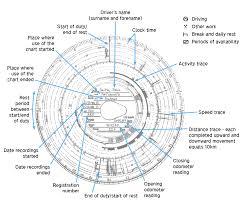
Understanding the tachograph records retention period UK requirements is essential for anyone operating commercial vehicles. Under current legislation, operators must keep tachograph records for a minimum of 12 months, though certain documentation needs to be retained for significantly longer periods. Failing to maintain proper records can result in substantial fines, prohibition notices, and damage to your operator licence. This comprehensive guide explains exactly what you need to keep, for how long, and how to ensure you remain compliant during DVSA inspections.
The Legal Framework for Tachograph Record Retention
Tachograph record-keeping requirements in the UK stem from both retained EU law and domestic regulations. The primary legislation governing these obligations includes Regulation (EU) 165/2014 (as retained in UK law), the Transport Act 1968, and the Drivers' Hours and Tachographs Rules. These collectively establish the framework that all goods vehicle operators must follow.
The fundamental rule is straightforward: all tachograph records must be retained for at least 12 months from the date they were created. However, this basic requirement comes with several important nuances depending on the type of record, the nature of your operation, and whether records are held in analogue or digital format.
It's worth noting that while 12 months is the legal minimum, many operators choose to keep records for considerably longer. This provides protection in case of delayed investigations or civil claims, and demonstrates a commitment to compliance that can be viewed favourably during Traffic Commissioner hearings.
Retention Periods for Different Record Types
Different categories of tachograph-related documentation have varying retention requirements. Understanding these distinctions helps ensure your record-keeping systems are properly configured.
Driver Cards and Download Data
Digital tachograph driver card data must be downloaded at least every 28 days and retained for a minimum of 12 months. The raw data files should be stored securely and remain accessible for inspection throughout this period. Many fleet management systems automatically handle these downloads, but operators remain ultimately responsible for ensuring the process occurs reliably.
Vehicle Unit Data
Data from the vehicle tachograph unit itself must be downloaded at least every 90 days. Like driver card data, this information must be kept for at least 12 months. The vehicle unit data provides a complete record of all driving activity on that particular vehicle, regardless of which driver was at the wheel.
Analogue Tachograph Charts
For vehicles still using analogue tachographs, the physical paper charts must be retained for 12 months. These charts should be stored in a manner that prevents damage or degradation — keeping them in a dry, secure location away from direct sunlight helps preserve their legibility.
Supporting Documentation
Records that support or explain tachograph entries often need to be kept alongside the primary data. This includes driver attestation forms, records of other work, ferry or train crossing documentation, and any written explanations for anomalies. These should be retained for the same 12-month period and be easily cross-referenced with the relevant tachograph records.
Extended Retention Requirements
While 12 months is the standard retention period, several circumstances require longer preservation of records. Understanding when extended retention applies helps operators avoid inadvertently destroying documentation that may still be needed.
If any records are subject to an ongoing investigation by the DVSA, police, or Traffic Commissioner, they must be retained until the matter is fully concluded — regardless of how long this takes. Destroying records that are relevant to an active investigation can constitute a serious offence and will likely result in significant penalties.
For operators involved in international transport, records relating to journeys to or through EU member states should be kept in accordance with the requirements of those countries, which may exceed UK minimums. If you're unsure about specific requirements for particular jurisdictions, seeking specialist advice is recommended.
Many insurance policies and legal advisors recommend keeping records for at least three years. This aligns with typical limitation periods for civil claims and provides protection if disputes arise regarding incidents that occurred some time ago. If you're involved in transporting goods or maintaining vehicle records for commercial purposes, this extended approach offers valuable peace of mind.
How to Store Tachograph Records Properly
Compliance isn't just about keeping records for the right length of time — it also requires storing them in an appropriate manner. Records must remain complete, unaltered, and accessible throughout the retention period.
Digital tachograph data should be backed up regularly using secure, encrypted storage systems. Cloud-based solutions specifically designed for tachograph management offer advantages including automatic backup, easy retrieval, and protection against data loss. However, operators should ensure any third-party system they use meets data protection requirements and provides reliable access when needed.
Physical records, including analogue charts and printed documentation, need protection from environmental damage. A dedicated filing system organised by date and driver makes retrieval during inspections considerably easier. Some operators scan physical documents to create digital backups, though the original paper records should still be retained.
Whatever storage system you use, it must allow you to produce requested records quickly. DVSA enforcement officers expect to see relevant documentation within a reasonable timeframe during inspections. Having a disorganised or inaccessible archive can create problems even when the underlying records exist.
What Happens During a DVSA Inspection
DVSA enforcement officers conduct both roadside checks and operator premises inspections. In each case, tachograph records form a central part of what they examine.
During roadside checks, officers can request to see the driver's current and previous tachograph records. For digital tachographs, this means the driver card and any printouts. Drivers should carry their card and be prepared to produce manual entries or printouts for any periods not recorded digitally.
Premises inspections are more comprehensive. Officers will typically ask to see tachograph download records, driver card registers, calibration certificates, and any supporting documentation for the previous 12 months. They'll check not only that records exist but that they're complete and properly organised.
Inconsistencies, gaps, or evidence of tampering can trigger further investigation. This might include vehicle examinations, driver interviews, and requests for additional documentation. Maintaining thorough, well-organised records from the outset is the best way to ensure inspections proceed smoothly.
Penalties for Non-Compliance
Failing to maintain adequate tachograph records carries serious consequences. The penalties vary depending on the specific offence and whether it represents a pattern of non-compliance.
Individual offences can result in fixed penalty notices of up to £300 per infringement. However, multiple breaches or deliberate falsification can lead to prosecution, with maximum fines reaching unlimited amounts for the most serious cases. Directors and transport managers can face personal liability in addition to penalties imposed on the operating company.
Beyond immediate financial penalties, poor record-keeping affects operator licensing. The Traffic Commissioner reviews compliance history when considering licence renewals and can take regulatory action including formal warnings, curtailment of vehicle authorisations, suspension, or revocation of operator licences.
For drivers, infringements recorded against their licence can affect employability and may lead to driver CPC issues. The consequences of inadequate record-keeping thus extend throughout the industry, making compliance everyone's responsibility.
Best Practices for Tachograph Record Management
Effective record management goes beyond mere compliance — it protects your business and supports efficient operations. Consider implementing these practices as part of your standard procedures.
Establish clear responsibilities for tachograph downloads and record storage. Whether this falls to a transport manager, compliance officer, or dedicated administrator, someone should have explicit accountability for ensuring the system works reliably.
Use automated reminder systems for driver card and vehicle unit downloads. Human memory alone is insufficient for ensuring 28-day and 90-day deadlines are consistently met across a fleet of vehicles and drivers. Most tachograph analysis software includes scheduling features that can help.
Conduct regular internal audits of your tachograph records. Reviewing a sample of records monthly helps identify problems before they become systemic issues. Look for gaps, anomalies, and areas where documentation could be improved.
Train drivers on their record-keeping responsibilities. They need to understand how to make manual entries correctly, when attestation forms are required, and what documentation they should carry. Well-informed drivers are your first line of defence against compliance failures.
When purchasing or selling commercial vehicles, ensure all relevant vehicle history and documentation transfers appropriately. A thorough vehicle check can help verify the compliance history of any HGV you're considering acquiring.
Frequently Asked Questions
Can I destroy tachograph records after exactly 12 months?
Legally, yes — provided no investigation is ongoing and no other circumstances require extended retention. However, many operators keep records for three years or longer as a precaution against delayed investigations or civil claims. The marginal cost of extended storage is typically far less than the potential consequences of destroyed records being needed.
Do I need to keep records for agency drivers who only work occasionally?
Yes. Any driver who operates your vehicles must have their tachograph records retained for the standard 12-month period. This applies regardless of employment status — agency drivers, casual workers, and owner-drivers all generate records that must be properly maintained.
What if a driver's card is lost or stolen?
Lost or stolen driver cards should be reported to the DVLA immediately. The driver should apply for a replacement card, which will be issued with the same data. Meanwhile, ensure any downloaded data from the lost card is retained, and document the circumstances of the loss in case questions arise during future inspections.
Are electronic copies of analogue charts acceptable?
Scanned copies can serve as useful backups, but the original paper charts should be retained for the full 12-month period. DVSA officers may want to examine physical charts for signs of tampering or damage that wouldn't be visible on a scan.
How should I handle records when selling a vehicle?
Vehicle unit download data relating to time when you operated the vehicle should remain in your possession for the full retention period. You're not required to transfer historical data to the new owner, though providing recent calibration certificates is good practice.
Key Takeaways
- The standard tachograph records retention period in the UK is 12 months from the date of creation, applying to both digital downloads and analogue charts.
- Driver card data must be downloaded at least every 28 days, while vehicle unit data requires downloading every 90 days at minimum.
- Records must be retained longer than 12 months if subject to ongoing investigations, and many operators choose three-year retention as a protective measure.
- Proper storage requires records to remain complete, unaltered, and readily accessible for DVSA inspections throughout the retention period.
- Penalties for non-compliance range from fixed penalty notices to unlimited fines for serious offences, plus potential impacts on operator licensing.
- Implementing clear responsibilities, automated reminders, regular audits, and comprehensive driver training significantly reduces compliance risks.