Temperature Logbooks: What UK Food Businesses Must Record
Food temperature logs are a legal requirement under UK food hygiene regulations. Here's what must be recorded, how often, and what happens if records are missing during inspection.
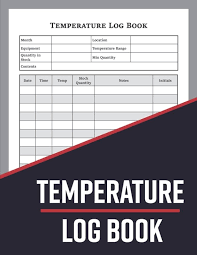
Every UK food business handling perishable goods must maintain a temperature logbook as part of their legal food safety obligations. This requirement stems from EU-retained food hygiene regulations and the Food Safety Act 1990, which place responsibility on business operators to demonstrate that food has been stored, prepared, and served at safe temperatures throughout the supply chain. Whether you run a restaurant, café, takeaway, catering company, care home kitchen, or mobile food unit, your temperature logbook food business UK requirements are essentially the same: you must record temperatures at critical control points and keep those records available for inspection by Environmental Health Officers.
Temperature monitoring is not bureaucratic box-ticking. It serves a genuine public health purpose. Harmful bacteria multiply rapidly when food is held in the danger zone between 8°C and 63°C. Proper temperature records prove that your business understands these risks and takes active steps to control them. When something goes wrong — a food poisoning outbreak, a customer complaint, or a random inspection — your logbook becomes evidence of your due diligence. Without it, you have no defence.
The Legal Framework for Temperature Recording
Temperature recording requirements for UK food businesses derive primarily from Regulation (EC) No 852/2004, which has been retained in UK law following Brexit. This regulation requires food business operators to implement food safety management procedures based on HACCP (Hazard Analysis and Critical Control Points) principles. Temperature monitoring sits at the heart of HACCP because temperature control is the primary method of preventing bacterial growth in high-risk foods.
The Food Safety and Hygiene (England) Regulations 2013 (with equivalent legislation in Scotland, Wales, and Northern Ireland) gives local authorities the power to enforce these requirements. Environmental Health Officers can request to see your temperature records during routine inspections or investigations. If your records are incomplete, missing, or show temperatures outside safe ranges without corrective action, this directly affects your food hygiene rating and could result in enforcement action.
The Food Standards Agency recommends that businesses keep temperature records for at least three months, though many Environmental Health departments advise retaining them for 12 months or longer. If a customer falls ill and traces the cause back to your establishment, investigations can take months to complete. Having comprehensive historical records protects your business during these inquiries.
What Temperatures Must Be Recorded
The specific temperatures you need to record depend on your business operations, but most food businesses must monitor several critical areas. Cold storage is the most fundamental. Fridges holding high-risk foods such as raw meat, cooked meats, dairy products, and prepared foods must operate at 8°C or below, with 5°C being the recommended target. Freezers must maintain temperatures of -18°C or below.
Hot holding is equally important for businesses that keep cooked food warm for service. Food held hot must be maintained at 63°C or above. Below this temperature, bacteria can begin multiplying again even in cooked food. Buffet services, carveries, and takeaways with heated display units must monitor and record these temperatures throughout service periods.
Cooking and reheating temperatures require documentation when they form part of your critical control points. The core temperature of cooked food should reach at least 75°C (or 70°C for two minutes) to kill harmful bacteria. In Scotland, reheated food must reach 82°C. These temperatures should be checked using a calibrated probe thermometer and recorded in your logbook.
Delivery temperatures also need recording if you receive temperature-controlled deliveries. Checking that incoming goods arrive at the correct temperature and rejecting items outside safe ranges demonstrates your commitment to the cold chain. Many businesses record delivery temperatures in a separate section of their food safety documentation, though this information often appears alongside storage temperature records.
How Often Should Temperatures Be Recorded
The frequency of temperature recording depends on the level of risk and your specific HACCP plan, but general guidance suggests recording fridge and freezer temperatures at least twice daily — typically at the start of the day and again during service or at close of business. Some businesses opt for three checks spread throughout operating hours, which provides better evidence of consistent temperature maintenance.
Hot holding temperatures should be checked every two hours while food is being held. More frequent checks may be appropriate for high-volume service periods or when using equipment that has proved unreliable. If food drops below 63°C, it can be reheated once, but if it drops below temperature a second time, it must be discarded.
Cooking temperatures should be checked for each batch or for representative samples when producing large quantities. The check must be performed at the thickest part of the food, where heat penetrates last. Simply checking surface temperature or relying on visual indicators is not sufficient.
Delivery checks should happen immediately when goods arrive, before they are placed in storage. Rejecting a delivery that arrives too warm is far easier than dealing with the consequences of accepting compromised stock.
Recording Corrective Actions
A temperature logbook is not just about documenting that temperatures were correct. It must also record what happened when they were not, and what action you took in response. This is a frequently misunderstood aspect of temperature monitoring. Many businesses record only good readings, which actually makes their records less credible. Inspectors know that equipment malfunctions, power cuts happen, and doors get left open. A logbook showing nothing but perfect temperatures for months raises suspicion rather than confidence.
When you record an out-of-range temperature, you should document the problem, the likely cause, the action taken, and the follow-up check confirming the issue was resolved. For example, if a fridge reads 10°C at the morning check, your record might note that the door seal was found damaged, food was transferred to another unit, the seal was replaced, and a follow-up check two hours later confirmed the temperature had returned to 4°C.
This approach demonstrates due diligence. It shows inspectors that you understand why temperature control matters, that you monitor actively rather than passively, and that you take appropriate action when problems occur. A food safety logbook filled with corrective action records is evidence of a well-managed kitchen, not a problematic one.
Choosing Between Paper and Digital Logbooks
Traditional paper logbooks remain perfectly acceptable for food businesses of all sizes. They are inexpensive, require no training, and work regardless of power or internet availability. A well-organised paper system with clear headings, consistent formatting, and regular management review meets all legal requirements.
However, digital temperature monitoring systems offer significant advantages for businesses seeking to reduce administrative burden and improve accuracy. Automated sensors can log temperatures continuously, alert staff when readings fall outside acceptable ranges, and store records securely without risk of lost paperwork. These systems often integrate with broader food safety management software, creating comprehensive digital documentation of your HACCP procedures.
The Food Standards Agency accepts both paper and electronic records, provided they are accurate, legible, and accessible to inspectors. If you use digital systems, ensure you can produce records quickly during an inspection. Cloud-based systems should allow offline access or rapid retrieval. The worst outcome is having records that exist but cannot be accessed when needed.
Many businesses use a hybrid approach, with automated monitoring for storage equipment and manual probe checks for cooking and holding temperatures. This combines the reliability of automated logging with the flexibility of traditional methods where automation would be impractical.
Common Temperature Recording Mistakes
Environmental Health Officers see the same mistakes repeatedly during inspections. The most common is incomplete records — checks missed during busy periods, weekends without entries, or days where only one check was recorded instead of two. Gaps in records undermine their value entirely because they raise questions about what happened during the undocumented periods.
Another frequent problem is recording temperatures without taking action when they are wrong. A logbook showing that the fridge was at 12°C on three consecutive days, with no corrective action noted, is worse than having no records at all. It demonstrates that monitoring is happening but being ignored.
Using equipment that has not been calibrated is also problematic. Probe thermometers should be checked regularly against a known standard, such as melting ice (0°C) or boiling water (100°C at sea level). Digital display thermometers on fridges and freezers can drift over time and should be verified against a calibrated probe. Your logbook should include evidence of calibration checks, typically conducted weekly or monthly.
Finally, many businesses fail to secure their records properly. Logbooks left near cooking areas become damaged by heat and moisture. Records stored in a single location can be lost to fire, flood, or theft. Maintaining backup copies or using digital systems with automatic cloud backup protects this critical documentation.
What Happens During an Inspection
When an Environmental Health Officer visits your premises, they will typically ask to see your food safety management documentation, including your temperature records. They are looking for evidence that you understand your legal obligations, have appropriate monitoring systems in place, and take corrective action when problems occur.
Officers will check whether your records are up to date, whether they cover all critical control points, and whether the temperatures recorded are within acceptable ranges. They may take their own temperature readings to verify that your equipment is accurate and that your records reflect reality. Significant discrepancies between your records and their measurements raise serious concerns about the reliability of your documentation.
If records are missing, incomplete, or show persistent problems without corrective action, this will negatively affect your food hygiene rating. In serious cases, officers can issue improvement notices requiring you to address specific failures within a set timeframe. Failure to comply with improvement notices can result in prosecution, fines, and even closure orders for businesses posing an imminent risk to public health.
Frequently Asked Questions
How long must I keep temperature records?
The Food Standards Agency recommends keeping records for at least three months, but many Environmental Health departments advise retaining them for 12 months or longer. This extended retention protects your business if complaints or investigations arise months after a potential incident. Some businesses keep records for two years to provide comprehensive historical documentation.
Can I use a simple notebook instead of a formal logbook?
Yes, a plain notebook is acceptable provided it contains all required information in a clear, organised format. However, purpose-designed logbooks offer advantages including pre-printed columns, prompts for corrective actions, and space for calibration records. These structured formats make it easier to maintain consistent records and demonstrate compliance during inspections.
What happens if my fridge temperature is slightly above 8°C?
If your fridge reads between 8°C and 10°C, you should investigate the cause (door left open, overloading, failing compressor), take corrective action, and monitor until the temperature returns to safe levels. Food stored briefly at slightly elevated temperatures is unlikely to be unsafe, but prolonged storage above 8°C allows bacterial growth. If temperatures remain elevated despite corrective action, food should be discarded.
Do I need separate logbooks for different areas of my kitchen?
Not necessarily. A single comprehensive logbook can cover all temperature monitoring provided it is clearly organised with separate sections for different equipment or processes. Larger operations may find separate logbooks more practical for different areas or shifts. The key requirement is that all records are accessible, complete, and clearly linked to specific equipment or processes.
Are wireless temperature monitoring systems acceptable to inspectors?
Yes, the Food Standards Agency accepts electronic records from automated monitoring systems. These systems often provide more comprehensive documentation than manual records because they log continuously rather than at set intervals. Ensure your system can produce reports quickly during inspections and that historical data is backed up securely.
Key Takeaways
- UK food businesses must maintain temperature records as part of their legal HACCP-based food safety management system, with records available for Environmental Health inspection.
- Fridge temperatures should be recorded at least twice daily, with checks showing food stored at 8°C or below (ideally 5°C or below).
- Hot holding temperatures must remain at 63°C or above, with checks conducted every two hours during service.
- Recording corrective actions when temperatures fall outside safe ranges is essential — a logbook showing only perfect temperatures is less credible than one documenting occasional problems and appropriate responses.
- Both paper and digital temperature logbooks are acceptable, provided records are accurate, legible, and retained for at least three months (preferably 12 months).
- Missing or incomplete temperature records directly affect food hygiene ratings and can result in improvement notices, prosecution, or closure orders in serious cases.