Van Driver Logbooks: Do You Need One and What Must It Contain?
Not all van drivers need a logbook — but many do. Here's when UK logbook rules apply to light commercial vehicles, what must be recorded, and how to stay compliant.
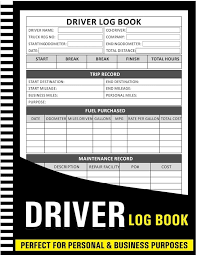
Whether you're a self-employed courier, a company driver operating a transit van, or running a small fleet of commercial vehicles, understanding van driver logbook requirements UK rules is essential for staying legal on British roads. The truth is that not every van driver needs to keep a formal logbook — but many do, and getting it wrong can result in serious penalties including fines, vehicle prohibitions, and even criminal prosecution.
The requirements depend primarily on what you're carrying, how far you're travelling, and the weight of your vehicle. This guide cuts through the confusion to explain exactly when logbook rules apply to van drivers, what information must be recorded, and how to maintain proper compliance with UK and EU regulations.
When Do Van Drivers Need to Keep a Logbook?
The need for a van driver logbook is governed by drivers' hours rules, which are designed to prevent fatigue-related accidents. In the UK, these rules apply based on the type of vehicle and the nature of the work being undertaken.
For most vans — defined as vehicles with a maximum authorised mass (MAM) of up to 3.5 tonnes — there is no automatic legal requirement to keep a logbook if you're operating domestically and not carrying goods professionally. However, the situation changes significantly once you start earning money from transporting goods or passengers.
You must keep records of your driving hours if you drive a goods vehicle over 3.5 tonnes MAM, drive any vehicle carrying passengers for hire with more than eight passenger seats, use a van for international commercial transport (regardless of weight), or fall outside the domestic exemptions while carrying goods for hire or reward.
The critical distinction is between domestic operations and those governed by EU rules. Even though the UK has left the European Union, the retained EU drivers' hours regulations still apply to most commercial transport operations, and these require either tachograph use or manual record-keeping.
EU Rules vs GB Domestic Rules: Which Apply to Your Van?
Understanding the difference between EU retained rules and GB domestic rules is fundamental to knowing your obligations. The EU rules, which were incorporated into UK law following Brexit, apply to most commercial transport and require detailed record-keeping through tachographs or, where exemptions apply, manual logs.
GB domestic rules are more relaxed and apply to certain vehicles and operations that are exempt from EU rules. Under domestic rules, you must not drive for more than ten hours a day and must take adequate rest, but the record-keeping requirements are less prescriptive. However, you should still maintain some form of records to demonstrate compliance if questioned by enforcement officers.
For van drivers, the EU rules typically apply when you're driving a vehicle over 3.5 tonnes MAM used for commercial transport, driving any vehicle on an international journey carrying goods, or carrying goods for hire or reward where no specific exemption applies. The domestic rules might apply instead for certain local deliveries, agricultural work, or other operations listed under the specific exemptions.
Even when operating under domestic rules, keeping a voluntary logbook is strongly recommended. It protects you in the event of an accident, demonstrates professionalism to clients and insurers, and provides evidence of compliance should any dispute arise.
What Information Must a Van Driver Logbook Contain?
If you're required to keep manual records — either because your vehicle doesn't have a tachograph or you're operating under an exemption that still requires documentation — your logbook must contain specific information to be considered legally compliant.
The essential details include your full name and home address or operating base, the registration number of each vehicle driven, the start and end time of each duty period, the start and end time of each driving period, and the start and end time of any other work undertaken. You must also record all rest periods and breaks, the total distance covered during each duty period, and the date each entry refers to.
For those carrying goods professionally, additional information may be required including the nature of the goods being transported, collection and delivery addresses, and any time spent loading or unloading. This level of detail becomes particularly important for businesses that need to demonstrate compliance with working time regulations as well as drivers' hours rules.
Records must be kept in a format that can be easily inspected. While paper logbooks remain acceptable, many drivers now use digital solutions that automatically timestamp entries and can be shared with enforcement officers electronically. Whichever method you choose, records must be retained for at least one year and produced on request.
Tachograph Requirements for Heavier Vans
Once your van exceeds 3.5 tonnes MAM and is used for commercial transport of goods, tachograph requirements come into effect. This threshold catches many larger panel vans, particularly when carrying heavy tools, equipment, or goods. The Luton vans, large Sprinters, and similar vehicles popular with removal firms and logistics companies frequently fall into this category.
Vehicles requiring tachographs must be fitted with an approved device — either analogue or digital — and drivers must use a driver card to record their activities. The tachograph automatically records driving time, other work, availability periods, and rest periods. Attempting to drive without a properly functioning tachograph, or tampering with the device, constitutes a serious offence.
If you're unsure whether your van requires a tachograph, check the vehicle's maximum authorised mass on the registration document (V5C) and consider the nature of your work. Professional advice from the Driver and Vehicle Standards Agency (DVSA) or a transport consultant can clarify your obligations.
For those purchasing a used van for commercial purposes, verifying the vehicle's specification and any fitted equipment is crucial. A comprehensive vehicle history check can confirm important details about the vehicle's past use and current status.
Exemptions That Apply to Van Drivers
Several exemptions exist that may remove the requirement for formal logbook keeping, though these must be applied carefully and honestly. The exemptions are specific and narrow — claiming an exemption that doesn't genuinely apply can result in prosecution.
Common exemptions relevant to van drivers include vehicles used for carrying goods within a 100 kilometre radius of base (under certain conditions), vehicles with a maximum speed not exceeding 40 kilometres per hour, and vehicles used by public authorities for non-commercial purposes. Agricultural vehicles carrying agricultural products, equipment, or materials within 100 kilometres of base may also be exempt, as may breakdown recovery vehicles operating within 100 kilometres.
The postal services exemption applies to vehicles used for delivering mail as part of a universal service, while certain medical and emergency vehicles have their own specific exemptions. Importantly, claiming an exemption requires that you genuinely meet all the specified conditions — not just some of them.
Even when exempt from formal logbook requirements, keeping voluntary records remains advisable. This provides protection in case of disputes about whether an exemption genuinely applied and demonstrates a professional approach to compliance.
Penalties for Non-Compliance
The consequences of failing to maintain proper records or breaching drivers' hours rules can be severe. DVSA enforcement officers have broad powers to stop vehicles, inspect records, and take immediate action where offences are discovered.
Financial penalties for drivers' hours and record-keeping offences typically range from £300 to several thousand pounds depending on the severity and frequency of breaches. Fixed penalty notices can be issued roadside for less serious matters, while more significant offences may result in court prosecution.
Beyond fines, vehicles can be prohibited from continuing their journey if serious offences are discovered. This means goods may not reach their destination, contracts may be breached, and commercial relationships damaged. For self-employed drivers, a prohibition can mean immediate loss of income.
Repeated offences or systematic non-compliance can lead to operators losing their licence, effectively ending their ability to run a commercial transport business. Individual drivers may face endorsements on their licence, and in extreme cases involving falsification of records, imprisonment is possible.
The risks extend beyond enforcement action. In the event of an accident, inadequate record-keeping can be used as evidence of negligent working practices, affecting insurance claims and civil liability.
Best Practices for Maintaining Your Van Logbook
Accurate, contemporaneous record-keeping is the foundation of compliance. This means making entries at the time activities occur, not retrospectively completing logs at the end of a shift or week. Enforcement officers are trained to spot records that have been completed after the fact, and such entries carry less evidential weight.
Use a consistent format throughout your logbook, whether paper or digital. Each entry should be clear, legible, and complete. If you make an error, draw a single line through the mistake and initial the correction — never use correction fluid or make entries difficult to read.
Keep your logbook with you whenever you're driving commercially. You may be required to produce records for the current week and the previous 28 days, so ensure these are always accessible. For longer-term storage, maintain organised records that can be retrieved if requested by enforcement authorities.
Review your records regularly to identify any patterns that might indicate compliance risks. If you're consistently working close to maximum hours, this suggests a need to review scheduling. Regular self-auditing helps catch problems before enforcement officers do.
For those managing multiple drivers or vehicles, consider how HGV and transport logbook systems can be integrated with other compliance documentation including vehicle maintenance records, driver training logs, and operating licence requirements.
Digital Logbook Solutions for Van Drivers
Technology has transformed how many van drivers maintain their records. Smartphone apps and fleet management systems can automate much of the record-keeping process, reducing errors and making compliance easier to demonstrate.
Digital solutions offer several advantages over paper logbooks. Timestamps are automatic and tamper-evident, GPS can verify locations and distances, and records can be shared instantly with managers or enforcement officers. Many systems also provide alerts when approaching driving time limits, helping prevent inadvertent breaches.
When choosing a digital logbook solution, ensure it meets legal requirements for record-keeping in your specific situation. Not all apps are suitable for all purposes, and some may not produce records in a format acceptable for enforcement purposes. Check that any system you use is designed for UK regulations and updated to reflect any legal changes.
The transition from paper to digital should be managed carefully. Maintain backup records during any transition period, and ensure all drivers are properly trained on new systems before relying on them for compliance.
Frequently Asked Questions
Do I need a logbook if I just use my van for local deliveries?
It depends on the specifics of your operation. If your van is under 3.5 tonnes MAM and you're operating within certain exemptions (such as the 100 kilometre radius rule), you may not need formal records. However, if you're carrying goods for hire or reward without an applicable exemption, you'll need to maintain proper records even for local work. When in doubt, keeping a voluntary logbook provides protection.
What's the difference between a logbook and a tachograph?
A tachograph is an electronic or analogue device fitted to a vehicle that automatically records driving time, rest periods, and other activities. A logbook is a manual record, either paper or digital, that the driver completes themselves. Tachographs are required for vehicles over 3.5 tonnes used commercially, while logbooks are used when tachograph requirements don't apply but record-keeping is still necessary.
How long must I keep my van driver logbook records?
Records must be retained for at least one year and produced on request to enforcement officers. However, keeping records for longer periods is advisable — three to five years provides better protection in case of late-emerging disputes or accident investigations. Digital records should be backed up regularly to prevent loss.
Can I be prosecuted for errors in my logbook?
Genuine errors are unlikely to result in prosecution if they're isolated and clearly unintentional. However, systematic inaccuracies, missing entries, or evidence of deliberate falsification can lead to prosecution. The key is demonstrating that you've made reasonable efforts to maintain accurate, contemporaneous records throughout.
Do the same rules apply if I'm self-employed?
Yes. Employment status doesn't affect drivers' hours or record-keeping obligations. Self-employed van drivers carrying goods commercially must comply with the same rules as employed drivers. The obligations relate to the activity being undertaken and the vehicle being used, not the contractual arrangement under which the work is performed.
Key Takeaways
- Van drivers may need to keep a logbook depending on vehicle weight, the nature of their work, and whether specific exemptions apply — the requirements are not universal but must be understood for your particular situation.
- Vans over 3.5 tonnes MAM used for commercial goods transport require tachographs rather than manual logbooks, with strict penalties for non-compliance.
- Logbooks must record specific information including driving times, rest periods, distances covered, and vehicle details — incomplete records may be treated as no records at all.
- Exemptions exist for certain local operations, agricultural work, and other specific activities, but must be genuinely applicable to your circumstances.
- Penalties for non-compliance include fines, vehicle prohibitions, licence endorsements, and potentially imprisonment for serious falsification offences.
- Even when not legally required, maintaining voluntary records protects you in disputes, demonstrates professionalism, and provides evidence of safe working practices.