What Is a Pilot Logbook? CAA Requirements Explained
UK pilots must keep a CAA-compliant flight logbook recording every hour flown. Here's what it must contain, how to fill it in, and the legal requirements.
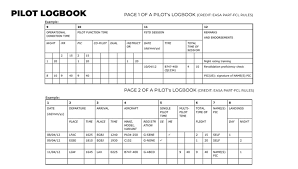
Every pilot flying in the United Kingdom must maintain an accurate flight logbook that meets Civil Aviation Authority standards. Understanding pilot logbook CAA requirements UK regulations is essential whether you're a student pilot recording your first hours or a seasoned commercial aviator documenting thousands of flights. Your logbook serves as the official record of your aviation experience, and maintaining it correctly isn't just good practice — it's a legal requirement that directly affects your ability to hold and exercise pilot privileges.
Why Pilot Logbooks Matter Under UK Aviation Law
A pilot logbook is far more than a personal diary of your flying adventures. It functions as a legal document that proves your qualifications, demonstrates currency requirements are met, and provides evidence of your experience when applying for ratings, licences, or employment. The CAA and its predecessors have required pilots to maintain logbooks since the earliest days of aviation regulation, recognising that accurate record-keeping is fundamental to flight safety.
Your logbook entries may be examined during licence renewals, proficiency checks, accident investigations, or employment applications. Airlines, flying schools, and charter operators will scrutinise your recorded hours when assessing your suitability for positions. Insurance companies may request logbook evidence when processing claims. In short, the accuracy and completeness of your logbook can have significant professional and legal consequences throughout your aviation career.
The Legal Framework for UK Pilot Logbooks
Since Brexit, UK aviation regulation operates under UK Regulation (EU) 1178/2011, which retained the European Aviation Safety Agency requirements but brought them under CAA oversight. Part FCL (Flight Crew Licensing) specifically addresses logbook requirements for holders of Part-FCL licences, including Private Pilot Licences (PPL), Commercial Pilot Licences (CPL), and Airline Transport Pilot Licences (ATPL).
For pilots holding UK national licences, such as the National Private Pilot Licence (NPPL) or Light Aircraft Pilot Licence (LAPL), the requirements are set out in relevant Air Navigation Orders and CAA publications. While the specific rules vary slightly between licence types, the fundamental principle remains consistent: you must record all flight time in a manner that allows verification of your experience and currency.
The CAA does not prescribe a single approved logbook format, but it does specify what information must be recorded. This flexibility means pilots can choose from various commercially available logbooks or even maintain electronic records, provided all mandatory data is captured accurately.
Mandatory Information for Every Logbook Entry
Each flight you conduct must be recorded with specific details that allow the flight to be verified and your experience to be accurately assessed. The required information for Part-FCL licence holders includes the date of each flight, the departure and arrival locations using ICAO aerodrome codes where applicable, and the aircraft registration and type. You must also record whether you were acting as pilot in command, co-pilot, student, or flight instructor.
Flight times must be broken down into relevant categories. Total flight time, which runs from first movement under the aircraft's own power until it comes to rest at the end of the flight, forms the baseline entry. You'll also need to record specific operational times such as instrument flight time, night flying time, and time spent conducting particular activities like cross-country flights or aerobatic manoeuvres.
For training flights, the nature of the exercise and the name and signature of the instructor should be recorded. Simulator sessions in approved synthetic training devices can also be logged, but must be clearly distinguished from actual flight time. The device type, approval level, and training content should all be documented.
Understanding Flight Time Categories
The various categories of flight time serve different purposes in demonstrating your experience and maintaining currency. Pilot in Command (PIC) time is perhaps the most valuable, representing flights where you were the designated commander with full responsibility for the safe conduct of the flight. This category carries significant weight when applying for advanced ratings or commercial positions.
Co-pilot time applies when you're operating as part of a multi-crew flight but are not the designated commander. Dual instruction time covers flights where you receive training from a qualified instructor, while instructor time reflects hours spent delivering training to others. Each category contributes differently to experience requirements for various ratings and licence privileges.
Instrument time deserves particular attention, as it's divided into actual instrument meteorological conditions (IMC) and simulated instrument conditions. The latter must be conducted under a safety pilot's supervision and recorded as such. Similarly, night flying hours must be accurately logged to demonstrate currency for night operations.
Choosing Between Paper and Electronic Logbooks
Traditional paper logbooks remain perfectly acceptable under CAA regulations and offer certain advantages. They don't require batteries or internet connections, they're difficult to alter without detection, and they provide a tangible record that many pilots find satisfying to maintain. The CAA has approved several paper logbook formats, and any commercially available logbook designed for UK use will typically include all necessary columns and categories.
Electronic logbooks have gained popularity and are now explicitly permitted under Part-FCL, provided they can produce printed records when required. Good electronic systems offer benefits including automatic calculation of totals, easy searching and filtering, backup capabilities, and integration with flight planning software. However, the CAA may require you to produce printed copies for inspections, so your chosen system must support this functionality.
Whichever format you choose, consistency is important. If you switch between systems, ensure no entries are lost or duplicated during the transition. Many pilots maintain electronic records as their primary system while keeping a paper backup, or vice versa. Just as you might keep careful records when documenting a vehicle's history, maintaining comprehensive aviation records protects your interests throughout your flying career.
Currency Requirements and How Logbooks Prove Them
Your logbook isn't just a historical record — it's the document that proves you're legally permitted to exercise your licence privileges. Various currency requirements must be met, and your logbook provides the evidence. For PPL holders, carrying passengers requires you to have completed at least three take-offs and landings within the preceding 90 days. Night passenger carrying requires the same currency in night conditions.
Recent experience requirements under Part-FCL stipulate that you must have completed at least 12 hours of flight time in the 12 months preceding any flight, including at least 12 take-offs and landings and a refresher training flight with an instructor. Your logbook entries demonstrate whether these requirements have been satisfied.
Instrument rating holders face additional currency demands, typically requiring specific approach procedures and instrument flight time within defined periods. Without accurate logbook records, proving compliance becomes impossible, potentially grounding you until refresher training is completed.
Common Logbook Mistakes and How to Avoid Them
Inaccurate or incomplete logbook entries can cause significant problems, from failed licence renewals to questions about fraudulent record-keeping. One common error involves recording block time rather than flight time. Block time includes taxiing and waiting, while flight time for single-pilot aircraft begins when the aircraft first moves under its own power for the purpose of taking off and ends when it comes to rest at the end of the flight.
Failing to record all required details represents another frequent issue. Every column in your logbook exists for a reason, and leaving fields blank may cause problems later. Similarly, making corrections improperly can raise suspicions. The correct method involves drawing a single line through errors, writing the correct information nearby, and initialling the correction. Never use correction fluid or attempt to erase entries.
Backdating entries after significant delays is problematic for multiple reasons. Recording flights promptly, ideally on the same day, ensures accuracy and demonstrates professional discipline. If you must record flights retrospectively, do so as soon as possible using any supporting documentation available.
Protecting and Preserving Your Logbook
Given the legal and professional importance of your logbook, protecting it deserves serious attention. Physical damage, loss, or theft can have significant consequences, particularly if you have substantial hours recorded. Store your logbook safely when not in use, and consider keeping copies of key pages in a separate location.
For electronic logbooks, regular backups are essential. Cloud-based systems typically handle this automatically, but verify that your data is genuinely protected. Local software should be backed up to separate media stored securely. Some pilots maintain parallel paper records specifically as backup for electronic systems.
If your logbook is lost or destroyed, reconstructing your records becomes necessary but challenging. Supporting documentation such as tech logs, training records, flying school receipts, and booking systems may help verify past entries. The CAA may accept reconstructed logbooks supported by appropriate evidence, but the process is time-consuming and may not recover all details. Prevention through careful storage and backup is far preferable.
Frequently Asked Questions
Can I use any logbook format, or must it be CAA-approved?
The CAA does not mandate a specific approved format, but your logbook must contain all information required under Part-FCL or the relevant regulations for your licence type. Most commercially available UK pilot logbooks include all necessary columns. Electronic logbooks are acceptable provided they can produce printed records on request.
How long must I keep my pilot logbooks?
You should retain all logbooks indefinitely. While specific retention periods aren't prescribed for personal records, your logbooks prove your entire aviation experience and may be required for licence renewals, rating applications, or employment verification at any point in your career. Many pilots keep every logbook from their first training flight.
What happens if my logbook is lost or stolen?
You'll need to reconstruct your records using available supporting documentation such as training records, booking systems, tech logs, or flying school receipts. Contact the CAA for guidance on the process, and provide whatever evidence you can gather. Future logbook entries should note that previous records were reconstructed, with an explanation of the circumstances.
Can I record flight simulator time in my pilot logbook?
Yes, time spent in approved synthetic training devices can be logged, but it must be clearly distinguished from actual flight time. Record the device type and approval level, and ensure simulator hours are entered in appropriate columns separate from aircraft flight time. Only approved devices — typically Full Flight Simulators or Flight Training Devices — count towards licence requirements.
Do I need my instructor to sign every training flight entry?
For dual instruction flights, the instructor's name and signature should be recorded. This provides verification of the training received and is particularly important when the hours contribute towards rating or licence requirements. Get signatures at the time of the flight rather than attempting to collect them later.
Key Takeaways
- All UK pilots must maintain logbooks meeting CAA requirements under Part-FCL or relevant national regulations, recording every flight with specified details including date, locations, aircraft type, and flight times.
- Both paper and electronic logbooks are acceptable, provided electronic systems can produce printed records when required by the CAA for inspections or licence renewals.
- Flight time must be accurately categorised into pilot in command, co-pilot, dual instruction, and other relevant categories, with instrument and night time recorded separately.
- Your logbook proves currency compliance, including the 90-day passenger-carrying recency and annual experience requirements — without accurate records, you cannot legally exercise certain privileges.
- Protect your logbook through safe storage and regular backups, as reconstruction after loss is difficult and may not recover complete records.
- Record flights promptly and accurately, making corrections properly with single strike-throughs and initials rather than erasures or correction fluid.