Used Car Mileage Verification: How to Spot a Clocked Car in the UK
A UK used car buyer's guide to mileage verification, using MOT history, service records, wear-pattern inspection and HPI to detect clocking before you pay.
 By Jamie Dawson · Editor
▮
Updated 07 Sep 2026
▮
4 min read
By Jamie Dawson · Editor
▮
Updated 07 Sep 2026
▮
4 min read
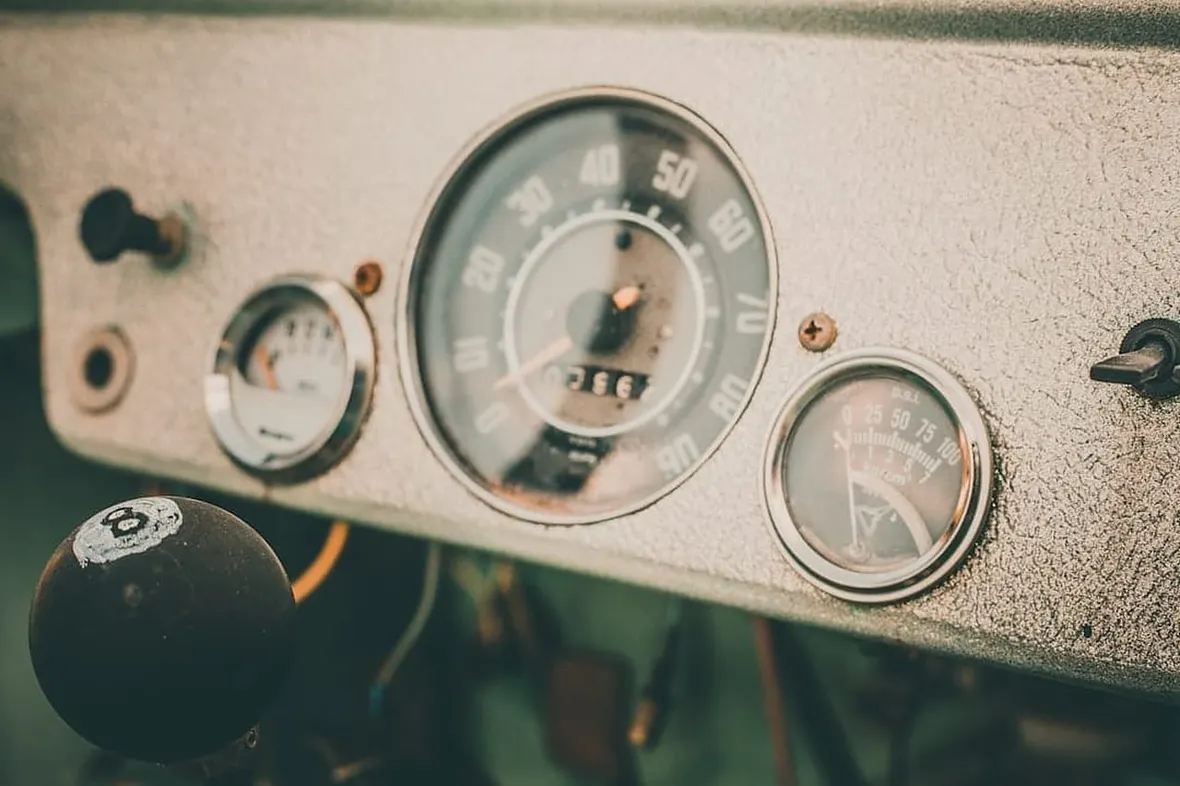
Quick answer: UK car clocking has risen sharply since 2023, Cap HPI estimates 1 in 16 used cars (around 6.25%) now have mileage discrepancies. Detection takes 5 steps: cross-reference MOT history at gov.uk, check the service book and stamp progression, inspect wear-pattern indicators (pedals, steering wheel, gear knob, driver's seat bolster), run a paid HPI check, and verify physical evidence matches claimed history. The combined process catches most clocking attempts.
Clocking (winding back the odometer) is the oldest used-car fraud in the UK. The 2008 Consumer Protection from Unfair Trading Regulations made selling a clocked car a criminal offence; the digital revolution made resetting odometers technically harder; and yet 2024 was the worst year in over a decade for clocked cars on UK forecourts. The cost-of-living crunch revived demand for cheap, low-mileage used cars, and clocking with it.
Why clocking still happens in 2026
Modern cars have digital odometers, multiple ECUs storing mileage independently, and tamper-detection in some manufacturers' systems. So why does the fraud persist?
- Aftermarket "mileage correction" devices on eBay sell for £150-£400 and reset most non-premium cars in under 30 minutes
- Some manufacturers don't store mileage redundantly across ECUs (early VAG group, some PSA)
- The financial incentive is enormous: 30,000 miles knocked off a 4-year-old car can add £1,500-£3,000 to perceived value
- Conviction rates are low. Most cases settle as civil disputes, not criminal prosecution
Step 1: MOT history is your single best tool
Pull the full MOT history at gov.uk/check-mot-history. You'll see every MOT test date and the mileage at each test.
What to look for:
- Mileage decreasing between two MOTs, direct evidence of clocking
- Suspiciously low annual mileage (e.g., 1,500 miles/year on a 5-year-old car that should be a daily driver)
- Sudden drops in annual rate: averaging 12,000 miles/year for 4 years then 1,200 miles/year for the last year, with no explanation
- MOT advisory items citing mileage-dependent wear (tyres, brakes, suspension) on apparent low-mileage cars
Step 2: Service stamp progression
Cross-reference each service stamp's mileage with MOT history. Service stamps inconsistent with MOT mileage progression are direct evidence. Patterns that suggest clocking:
- Service stamps showing higher mileage than later MOTs
- Multi-stamp gaps where mileage wraps around or decreases
- Sudden abrupt change in stamp handwriting/garage at the point of mileage discrepancy
Step 3: Physical wear inspection
Mileage shows on the car. A 30,000-mile car looks different from a 100,000-mile car. Inspect:
- Driver's seat bolster: the side bolster wears first as drivers slide in/out. Heavy wear on a "low-mileage" car is a flag.
- Steering wheel: at 12 o'clock and 9 o'clock grip positions. Polished/discoloured leather suggests heavy use.
- Pedal rubbers: clutch, brake, accelerator. Worn rubber on a "low-mileage" car is suspicious.
- Gear knob and shifter: wear on the operating face.
- Stalks (indicator, wipers): most-touched controls.
- Carpet under driver's heel: through-wear pattern.
- Boot floor and door sill cards: repeated loading/unloading scuff.
- Tyres: even wear consistent with MOT-recorded mileage progression.
Step 4: Paid HPI check
Paid HPI services cross-reference mileage data from multiple sources beyond MOT, finance databases, insurance claims, service network reports. They can flag mileage anomalies invisible to MOT history alone.
HPI Ltd's Mileage Investigation Service goes deeper for high-value cars. Cap HPI Trade Vehicle Check provides industry-standard verification.
Step 5: V5C and DSR cross-check
The V5C records the mileage at first registration but not at subsequent transfers (DVLA stopped recording transfer mileage in the 2010s). However:
- Manufacturer Digital Service Records (BMW, Mercedes, Audi, etc.) record mileage at every dealer service
- Dealer-supplied "history check" for premium brands often includes DSR mileage
- Insurance company records (when claims have been made) include mileage at claim
What clockers tell themselves and you
Sellers caught with discrepant mileage typically claim:
- "It must be the previous owner, I just bought it like this"
- "The cluster was replaced and the mileage was estimated"
- "DVLA must have made a mistake on a previous V5C"
- "The MOT mileage was just rounded up by the tester"
The first three may be genuine in rare cases, but the seller bears the burden of proof. Demand documentary evidence (insurance correspondence about cluster replacement, MOT centre confirmation of MOT data entry error). Don't accept hand-waved explanations.
Cluster replacement, the legitimate exception
If a digital instrument cluster is replaced (insurance damage, malfunction), the new cluster reads zero. The legitimate fix is for the replacing garage to enter the actual mileage from the previous cluster, but this isn't always done correctly.
If a seller claims cluster replacement:
- Ask for the invoice for the cluster work
- Ask for evidence of mileage carry-over (some garages document this on the invoice)
- Cross-reference with MOT before and after the work, the gap should narrow naturally if the carry-over was done correctly
Reporting suspected clocking
Suspected clocking can be reported to:
- Trading Standards via your local council
- Citizens Advice consumer service
- The motor industry Code of Practice (if dealer)
- HPI's fraud team if you've run an HPI check
For private sales, civil action under the Consumer Rights Act 2015 (misrepresentation) is the typical route. Criminal prosecution is rare; recovery via civil claim is more common.
FAQs
How much does clocking add to a car's price?
Typical: 30,000 miles "removed" from a mid-range used car can add £1,500-£3,000. On premium cars, the figure rises to £4,000-£8,000. The fraud only makes sense at scale. Most clockers do many cars.
Are dealers worse than private sellers for clocking?
Trade-in chains and small independent dealers have been the highest-volume offenders historically. Franchise main dealers very rarely clock (commercial risk too high). Private sellers vary.
What's the typical recovery if I bought a clocked car?
Usually 25-40% of the purchase price as a price-adjustment refund, OR full reversal of the sale. Court-awarded damages above the price difference are uncommon.
Related guides
- Free vs paid HPI check 2026
- How to verify a car's service history
- The 7 documents to check when buying a used car
- Full vs partial service history: UK buyer's guide
Related guides
Sources
- gov.uk: Check MOT history
- Cap HPI annual mileage discrepancy report
- Consumer Protection from Unfair Trading Regulations 2008
Last reviewed 2026-05-05 by Jamie Dawson, Editor.
🔍 Free tool: our MOT history checker plots the mileage timeline and flags backwards readings automatically.