CDM 2015 Pre-Construction Information Pack: What It Must Contain
The full contents of a CDM 2015 Pre-Construction Information Pack, who supplies it, and how it feeds the health and safety file.
 By Jamie Dawson · Editor
▮
Updated 08 Sep 2026
▮
5 min read
By Jamie Dawson · Editor
▮
Updated 08 Sep 2026
▮
5 min read
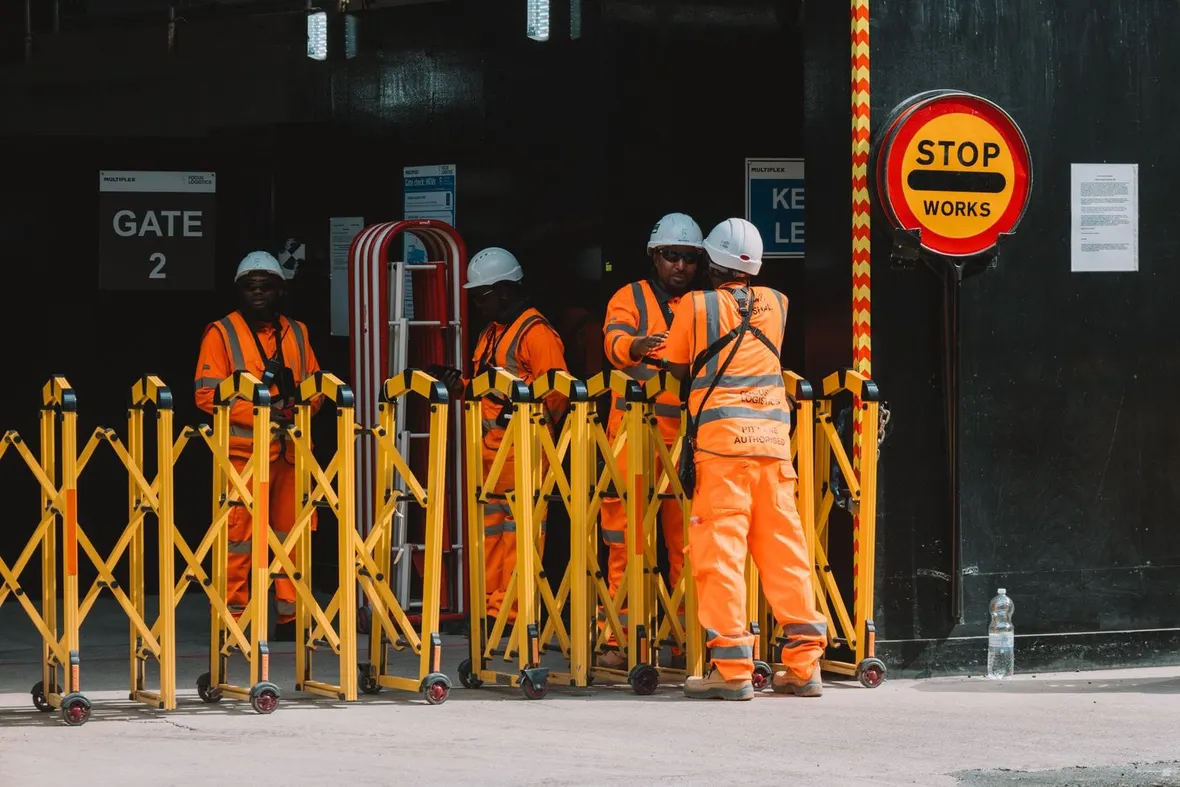
The CDM 2015 Pre-Construction Information Pack is one of the most important documents in any UK construction project, yet it is also one of the most frequently misunderstood. Many clients assume it is something the contractor produces. Many contractors assume it is something the client handles. In reality, the responsibility lies clearly with the client and the principal designer, and getting it wrong can have serious legal consequences for both.
What Is the Pre-Construction Information Pack?
The Pre-Construction Information Pack (sometimes called the PCI or the pre-construction information) is a document required under Regulation 4 of the Construction (Design and Management) Regulations 2015. It compiles information relevant to health and safety that is already known about the project, the site, and the existing structure, and makes this information available to designers and contractors before they begin work.
The purpose is straightforward: to ensure that those designing and building the project have the information they need to manage health and safety risks effectively. A contractor arriving on site without knowledge of underground services, contaminated land, or asbestos in an existing structure is a contractor at risk, and a contractor who may inadvertently create serious hazards for workers and others.
Who Is Responsible for Preparing the PCI?
Under CDM 2015, the client is responsible for ensuring that pre-construction information is compiled and provided to every designer and contractor before they begin work. In practice, the principal designer typically coordinates this work on the client's behalf.
For notifiable projects. Those lasting more than 30 working days with more than 20 workers simultaneously, or exceeding 500 person-days, a principal designer must be appointed. The principal designer's role includes planning, managing, and coordinating the pre-construction phase, and a key output of this role is the compilation of the PCI.
For non-notifiable projects, the client still has an obligation to provide relevant health and safety information to designers and contractors, even if a formal principal designer appointment is not required.
What Must the PCI Contain?
CDM 2015 does not specify a precise format for the PCI, but it does specify the categories of information it should contain. The PCI must include a description of the project, including its location and the nature of the work involved. It must contain information about the existing environment, ground conditions, contamination, underground services, overhead lines, and any other site-specific hazards.
Where an existing structure is involved, the PCI must include information about its condition, any known or suspected hazardous materials including asbestos, structural information relevant to the proposed work, and details of any previous construction, demolition, or remediation work on the site.
The PCI must also include information about the existing health and safety file if one exists for the structure, details of any constraints on the project such as planning conditions or environmental requirements, and information about welfare facilities and site access arrangements.
When Must the PCI Be Provided?
The PCI must be provided as early as possible in the pre-construction phase, before designers begin work and before contractors are asked to tender. Providing PCI after a contractor has already priced the job, or after design work has already been completed, defeats its purpose and may constitute a breach of CDM 2015.
The PCI is not a static document. As the pre-construction phase progresses and more information becomes available (from ground investigations, structural surveys, or asbestos surveys) the PCI must be updated and the updated information provided to all relevant parties.
The Relationship Between PCI and the Health and Safety File
The PCI and the Health and Safety File are related but distinct documents. The PCI provides information at the start of the project to inform design and construction. The Health and Safety File is compiled during the project and provided to the client on completion, to inform future maintenance, alteration, and demolition.
Information from the PCI will typically feed into the Health and Safety File, for example, ground investigation data, asbestos survey reports, and structural information. The principal designer is responsible for both documents, and maintaining the relationship between them is part of effective CDM management.
Record Retention
The PCI should be retained as part of the project records. For projects involving existing structures, the PCI contains information that may be relevant to future work on the building and should be incorporated into or annexed to the Health and Safety File. For new-build projects, the PCI records the information available at the start of the project and provides context for design decisions. It should be retained for the life of the building.
Common Failures and How to Avoid Them
The most common CDM 2015 failures relating to the PCI are failure to prepare it at all, preparing it too late in the process, providing incomplete information that omits known hazards, failing to update it as new information becomes available, and failing to provide it to all relevant designers and contractors.
A well-prepared PCI reduces risk on site, reduces the likelihood of design errors, and demonstrates to the HSE that the client and principal designer have fulfilled their CDM 2015 obligations. It is not an administrative burden. It is a genuine risk management tool that, when used properly, protects workers and reduces project costs.
Frequently Asked Questions
Does CDM 2015 apply to domestic clients?
Modified CDM 2015 obligations apply to domestic clients. Those having construction work done on their own home. Domestic clients' duties are transferred to the contractor or principal contractor by default, though they can choose to appoint a principal designer to manage the pre-construction phase.
What happens if no PCI is prepared?
Failure to prepare and provide PCI where required is a breach of CDM 2015. The HSE can issue improvement notices, prohibition notices, or initiate prosecution. Where an incident occurs and inadequate PCI is identified as a contributing factor, it will significantly aggravate the legal consequences for the client and principal designer.
Can the PCI be provided electronically?
Yes. Electronic provision is entirely acceptable and is increasingly the norm on larger projects where PCI documents may be substantial. What matters is that all relevant parties have access to the information and can confirm receipt.
Key Takeaways
- The CDM 2015 Pre-Construction Information Pack compiles health and safety information about the project and site and must be provided to designers and contractors before they begin work.
- The client is responsible for ensuring PCI is prepared and provided, the principal designer typically coordinates this on the client's behalf.
- The PCI must contain information about the site environment, existing structures, hazardous materials, constraints, and welfare arrangements.
- PCI must be provided early (before design work begins and before contractors are invited to tender) and updated as new information becomes available.
- The PCI feeds into the Health and Safety File and should be retained for the life of the building.
- Common failures include late preparation, incomplete information, and failure to update and distribute as the project develops.
Related guides
Related guides
- Construction Site Logbooks: Legal Requirements UK
- Asbestos Records on Construction Sites: What UK Law Requires
Free download: our building logbook template covers the other end of the project, the operating record handed to the client at completion.