Classic Car Provenance: How to Build a Bulletproof Ownership File
How to build a classic car provenance file that adds value at sale, the original V5C, build sheets, keeper history, MOT records, restoration log, and marque authentication.
 By Jamie Dawson · Editor
▮
Updated 07 Sep 2026
▮
3 min read
By Jamie Dawson · Editor
▮
Updated 07 Sep 2026
▮
3 min read
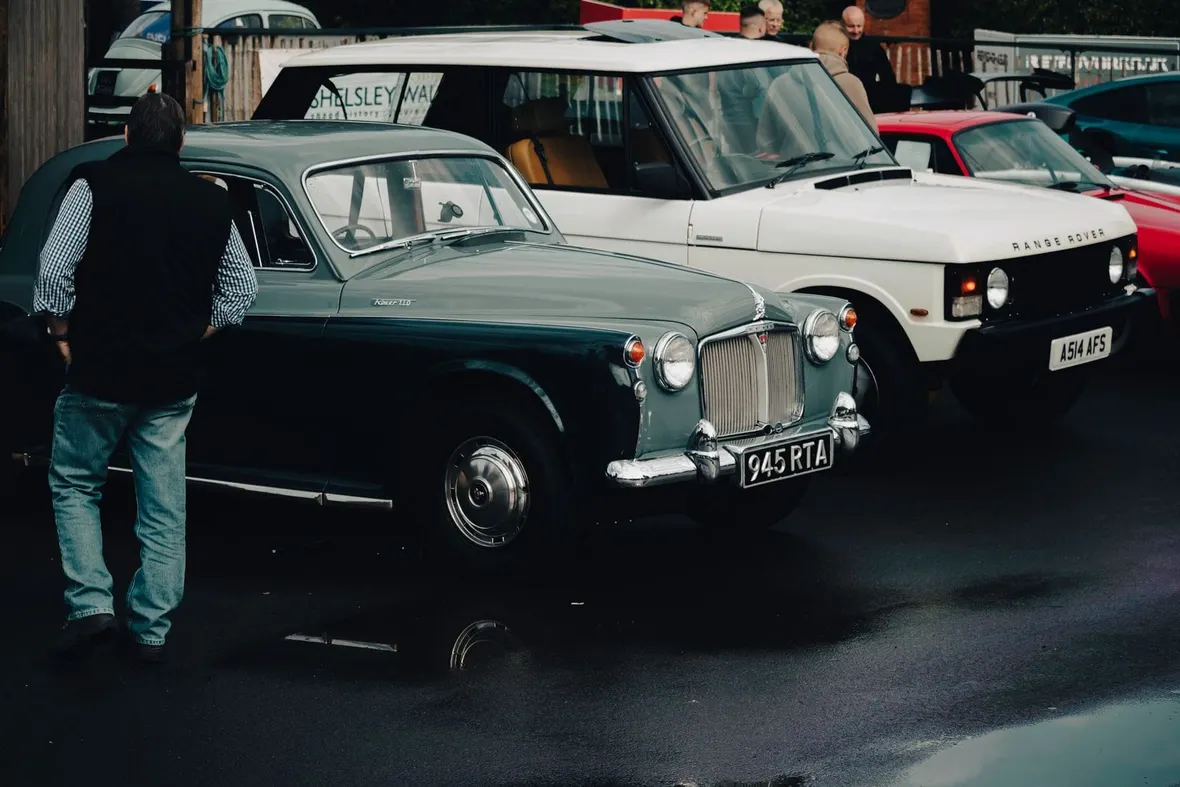
A classic car's value is inseparable from its history. Two otherwise identical cars (same model, same year, same colour) can differ in value by tens of thousands of pounds based on the completeness and quality of their documentation. This is not sentiment: it is a commercial reality that underpins the entire collector car market. Understanding what documents matter, why they matter, and how to maintain them is essential for any serious classic car owner.
What Is Classic Car Provenance?
Provenance is the documented history of a vehicle, the chain of evidence connecting the car as it exists today to its origins at the factory. A car with strong provenance has continuous, verifiable documentation of its identity, ownership, use, and condition through its life. A car without provenance has a gap (sometimes a short one, sometimes a long one) in its documented history that cannot be verified.
For most collector cars, provenance has three components: identity provenance (evidence that the car is what it claims to be), ownership provenance (a chain of ownership from manufacture to the present), and condition provenance (records of how the car has been maintained, restored, or modified over time).
Factory Build Records
The most important provenance documents for most classic cars are factory records. These typically take the form of a build record or order sheet showing the car's original specification, the engine fitted, the body colour, the trim specification, and any factory-fitted options, together with the despatch record showing when and where the car was delivered. For high-value cars, matching numbers (the original engine, gearbox, and other major components) verified against factory records can add significantly to value.
Factory records are typically held by the manufacturer's archive, a marque club, or a specialist register. Many of the major British manufacturers (Jaguar, Aston Martin, Land Rover) maintain heritage certificate services that provide certified extracts from factory records for a fee. These certificates are considered among the most valuable provenance documents a car can have.
Ownership History Documents
A continuous chain of ownership from new is highly desirable for collector cars. The DVLA's V5C logbook records registered keepers rather than legal owners, but a sequence of V5Cs from manufacture to the present provides strong evidence of the car's history and identity. Old V5Cs (especially the original buff logbook issued at registration) should never be discarded. They are part of the car's history and add value.
Bills of sale, purchase invoices, and correspondence related to previous sales should be retained where available. For cars with notable ownership histories, former celebrity ownership, racing provenance, or significant previous owners, documentation connecting the car to those owners can add substantial value.
Restoration Records
For restored classics, the quality and documentation of the restoration is a major value driver. A restoration carried out to a high standard with comprehensive photographic records of the dismantled car, the work carried out, and the parts and materials used is worth significantly more than an undocumented restoration of equivalent quality. Invoices from specialist restorers, paint specifications, chrome plating receipts, and upholstery records all contribute to the restoration file.
Before and after photographs showing the condition of each component before restoration and after completion are particularly valuable. They provide visual evidence of the standard of work carried out and the depth of the restoration.
Key Takeaways
- Provenance has three components: identity provenance, ownership provenance, and condition provenance. All contribute to value.
- Factory build records and heritage certificates from manufacturer archives are among the most valuable provenance documents.
- Old V5C logbooks should never be discarded. They are part of the car's history and should be retained and transferred on sale.
- Bills of sale and purchase invoices documenting the chain of ownership add to provenance.
- Restoration records (photographs, invoices, parts records) significantly increase the value of a restored classic.
- All provenance documents should be stored carefully and transferred to new owners on sale, never separated from the car.