Historic Vehicle Registration UK: Q Plates, Dating Letters and DVLA Records
How the DVLA handles historic vehicle registration in the UK, age-related plates, Q plates, dating letters, and the records you'll need to supply.
 By Jamie Dawson · Editor
▮
Updated 07 Sep 2026
▮
3 min read
By Jamie Dawson · Editor
▮
Updated 07 Sep 2026
▮
3 min read
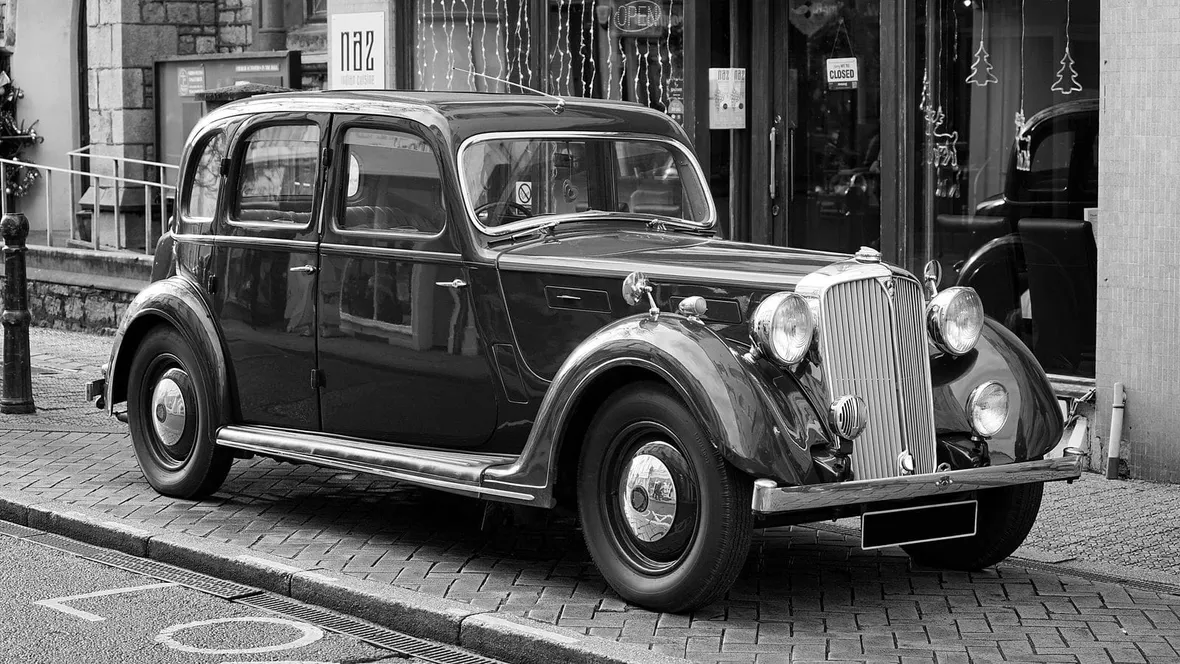
Historic vehicle registration in the UK is one of the most documentation-intensive processes in the automotive world. Whether you are rebuilding a classic car from a bare chassis, registering a kit car or replica, or seeking to re-register a vehicle that has lost its original identity, the DVLA and its processes demand comprehensive evidence. Understanding what records are needed (and why) is essential for anyone in the historic and classic car world.
The Q Plate. When a Vehicle Has No Provable Identity
A Q plate is issued by the DVLA when the age or identity of a vehicle cannot be established to the required standard. Q-registered vehicles carry a registration number in the format Qxxx xxx and are treated as vehicles of indeterminate age for the purposes of MOT testing. They must be tested regardless of their actual age, because their age cannot be confirmed.
Q plates are issued in several circumstances: where a kit car is built using a combination of components from different vehicles, where a vehicle has been substantially reconstructed using parts of indeterminate origin, where a replica is built without a genuine original vehicle identity, or where supporting documentation for an historic vehicle is insufficient to establish its identity and age.
Avoiding a Q plate requires providing the DVLA with sufficient documentary evidence to establish the vehicle's identity. The records needed depend on the circumstances of the application.
Documents Needed for Historic Vehicle Registration
For a vehicle being returned to the road after a period of dormancy, the DVLA requires the original V5C logbook where available, or a dating letter from the relevant one-make club or marque register if the V5C has been lost. Dating letters are accepted for most recognised marques and provide evidence of the vehicle's age and identity from a specialist authority.
For a rebuilt vehicle using the original chassis and major components, evidence of the original identity, stamped chassis numbers, engine numbers, original V5C, and documentary evidence connecting the components, must be assembled and submitted with the application. The DVLA may require a physical inspection of the vehicle before registration is granted.
The Role of Marque Clubs and Registers
For most recognised historic vehicles, the relevant one-make club or marque register is the primary authority for establishing identity. These organisations hold original factory build records, despatch records, and in many cases, ownership histories going back to the point of manufacture. A dating letter or certificate from a recognised register carries significant weight with the DVLA and is frequently the document that makes the difference between a genuine age-related registration and a Q plate.
Maintaining membership of the relevant club and keeping records of any correspondence with the club about the vehicle's identity is strongly advisable. These records may be needed at any point during the vehicle's history. Not just at the initial registration.
What Records to Keep with a Historic Vehicle
For any historic vehicle that is used on the road, in competition, or both, the following records should be maintained: the V5C logbook, any dating letters or certificates from marque clubs, the original purchase documents and any bill of sale when the vehicle changed hands, records of any significant restoration work including photographs, invoices, and parts suppliers, any competition history including Motorsport UK logbook entries, and any correspondence with the DVLA, clubs, or registers about the vehicle's identity.
These records together constitute the vehicle's provenance, and provenance is a major driver of value in the historic car market. A well-documented car is worth significantly more than an otherwise identical car with no history.
Key Takeaways
- Q plates are issued when a vehicle's age or identity cannot be established. They can be avoided with sufficient documentary evidence.
- Dating letters from recognised marque clubs are the primary evidence of age for historic vehicles where the original V5C is lost.
- Rebuilt vehicles require evidence connecting the original components, chassis numbers, engine numbers, and supporting documentation.
- Marque club records, factory build records, and despatch records are invaluable for establishing historic vehicle identity.
- Provenance records (purchase documents, restoration records, competition history) significantly increase the value of a historic vehicle.
- All records should be retained and transferred with the car on sale.