Solar Panel Installation Records: What UK Homeowners Must Keep
The complete paperwork pack every UK homeowner should keep after a solar install, MCS, DNO, G98/G99, building notice, warranty.
 By Jamie Dawson · Editor
▮
Updated 07 Sep 2026
▮
4 min read
By Jamie Dawson · Editor
▮
Updated 07 Sep 2026
▮
4 min read
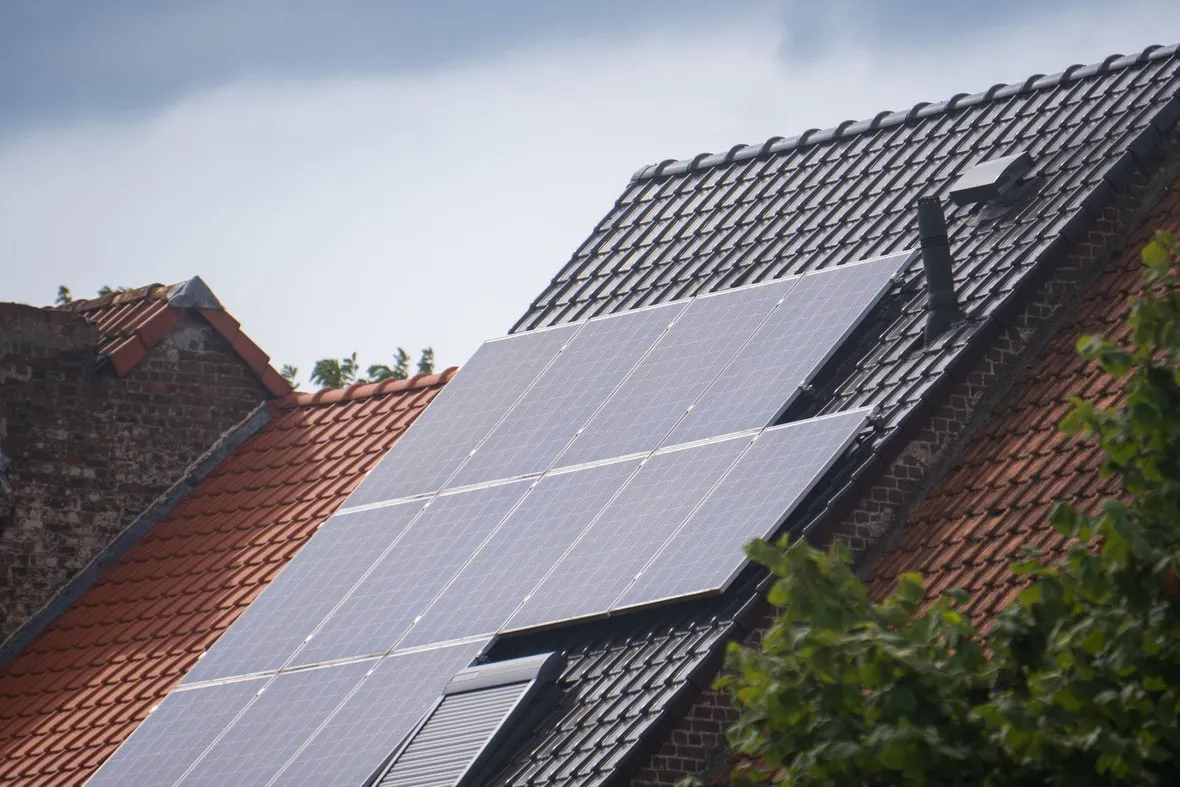
Solar panel installations involve multiple regulatory frameworks, building regulations, electrical safety regulations, permitted development rules, and grid connection requirements. Each generates documentation that homeowners must retain. As solar adoption accelerates across the UK, the failure to keep proper installation records is increasingly emerging as a problem at the point of property sale, and occasionally as a safety issue where substandard installations have been carried out without proper certification.
This covers the records homeowners must keep. For the full set of certificates a UK solar PV installation needs (MCS, DNO notification, Building Regs sign-off and warranties) see our complete guide to solar panel certification.
Building Regulations and Solar Panels
Solar photovoltaic panels installed on existing dwellings are generally permitted development. They do not require planning permission provided they meet certain criteria regarding size, projection, and location. However, the electrical installation work involved in connecting solar panels to the domestic supply is notifiable work under Part P of the Building Regulations.
This means the electrical installation must either be carried out by an electrician registered with an approved competent person scheme (NICEIC, NAPIT, ELECSA, or similar) who self-certifies the work, or must be notified to local authority building control before work begins. In practice, MCS-accredited installers are typically registered with competent person schemes and handle certification as part of the standard installation process.
MCS Certification
The Microgeneration Certification Scheme (MCS) is the industry standard certification for small-scale renewable energy installations in the UK, including solar PV. MCS certification of the installation is required to access the Smart Export Guarantee, the scheme through which energy suppliers pay homeowners for excess electricity exported to the grid. It was also required for the now-closed Feed-in Tariff.
An MCS-certified installation generates an MCS Installation Certificate, which records the details of the system installed, the installer's MCS accreditation number, the installation address, the system capacity, and confirmation that the installation meets MCS standards. This certificate must be retained by the homeowner. It is required to register for the Smart Export Guarantee and will be needed when the property is sold.
Electrical Certificates for Solar Installations
In addition to the MCS Installation Certificate, the electrical installation work must be certified under Part P. The installer must issue an Electrical Installation Certificate confirming that the AC wiring connecting the inverter to the consumer unit complies with BS 7671. Where the installation is carried out by an MCS-accredited installer who is also registered with a competent person scheme, this certification is typically generated automatically as part of the installation process.
Both the MCS Installation Certificate and the Electrical Installation Certificate must be retained. They are separate documents serving different purposes, the MCS certificate records compliance with renewable energy installation standards, the Electrical Installation Certificate records compliance with wiring regulations.
Grid Connection Documentation
Solar PV systems connected to the grid require a G98 or G99 application to the distribution network operator, the company responsible for the local electricity network. For most domestic systems under 3.68kW per phase, a G98 application is sufficient and can be submitted by the installer. The distribution network operator must be notified within 28 days of installation. A copy of the G98 notification and any response from the network operator should be retained by the homeowner.
For larger systems, a G99 application is required. This involves a more detailed technical assessment and must be approved before installation begins. Approval documentation must be retained.
Warranties and Maintenance Records
Solar panel manufacturers typically provide performance warranties of 25 years and product warranties of 10 to 12 years. Inverter warranties are typically five to ten years. These warranty documents must be retained, claiming under warranty without them is significantly more difficult. The installer's workmanship warranty (typically two to five years) should also be retained.
Records of any maintenance, servicing, or repairs to the system should be kept as part of the property's installation history. These records are useful both for warranty claims and for demonstrating the system's condition to future buyers.
What Happens When Selling a Property with Solar Panels?
When a property with solar panels is sold, the buyer's solicitor will raise enquiries about the installation. They will want to see the MCS Installation Certificate, the Electrical Installation Certificate, the G98 or G99 notification, details of any Smart Export Guarantee contract, and warranty documentation. An installation that cannot be evidenced by these documents may raise concerns about whether it was properly certified, with potential implications for insurance and safety.
Smart Export Guarantee contracts are typically transferable to the new owner, but the transfer process requires the MCS Installation Certificate to be produced.
Frequently Asked Questions
Do I need planning permission for solar panels?
In most cases, no, solar panels on existing houses are permitted development. However, there are exceptions for listed buildings, properties in conservation areas, and installations that exceed certain size thresholds. Check with your local planning authority if in doubt, and retain any correspondence confirming permitted development status.
What if my installer did not provide certificates?
Contact the installer and request them. If the installer is no longer trading or refuses to provide documentation, an independent electrician can carry out a new inspection and issue a certificate based on their findings, though this is a different document from the original installation certificate. MCS certificates can be checked against the MCS database using the installation's postcode.
How long should solar installation records be kept?
For the lifetime of the system and beyond. They will be needed when the property is sold, potentially decades after installation. Store them alongside other property documentation.
Key Takeaways
- Solar panel electrical installation is notifiable work under Part P, an Electrical Installation Certificate must be issued by a registered competent person.
- MCS-certified installations generate an MCS Installation Certificate, required for the Smart Export Guarantee and for property sale.
- G98 or G99 grid connection notifications must be made to the distribution network operator and documentation retained.
- Manufacturer performance warranties of up to 25 years and workmanship warranties must be retained for the duration of the warranty.
- All installation records will be required when the property is sold, missing documentation raises concerns about certification and safety.
- Smart Export Guarantee contracts can be transferred to new owners but require MCS certification documentation to complete the transfer.