Importing a Car to the UK: Logbook and Registration Guide
The full UK car import paperwork path, NOVA, IVA/MOT, first registration on V55/5, DVLA age evidence requirements, and what to keep afterwards.
 By Jamie Dawson · Editor
▮
Updated 22 Jul 2026
▮
3 min read
By Jamie Dawson · Editor
▮
Updated 22 Jul 2026
▮
3 min read
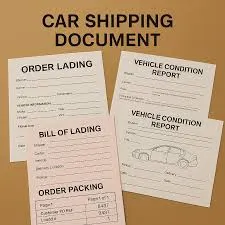
Importing a car to the UK involves navigating DVLA registration, DVSA technical compliance, and tax obligations, and all of it generates documentation that must be retained. Whether you are importing a personal vehicle, buying from Europe, or bringing a specialist car from Japan or the US, understanding the paperwork requirements from the outset will save you significant time and cost.
Step 1, Notify HMRC and Pay VAT and Duty
Before anything else, if you are importing a vehicle from outside the UK permanently, you must notify HMRC. Most imported vehicles attract import duty and VAT. The vehicle's Customs Entry document (showing that duty and VAT have been paid) is a key document that must be retained. You will need it for the DVLA registration process.
Vehicles imported from EU countries after Brexit are subject to the same import duty and VAT rules as vehicles from anywhere else outside the UK. Personal import relief may be available in some circumstances, for example, if you are moving to the UK and the vehicle was owned and used abroad for a minimum period.
Step 2, Pass the DVSA Vehicle Approval Test
Vehicles not originally manufactured to UK or EU specifications (typically vehicles from Japan, the US, or other markets) must undergo Individual Vehicle Approval testing before they can be registered. The IVA test checks that the vehicle meets UK road safety and emissions standards. Pass certificates from IVA testing are important documents to retain and will be required for DVLA registration.
Vehicles already meeting EU type approval standards (cars originally built and sold in EU markets) can typically be registered without the full IVA process, though some documentation is still required.
Step 3, Register with the DVLA
To register an imported vehicle, you must submit a V55/5 application form to the DVLA along with supporting documents. These typically include the foreign registration document or certificate of title, the IVA pass certificate where applicable, evidence of customs duty and VAT payment, a valid MOT certificate (for vehicles over three years old), and evidence of insurance. The DVLA will assign a UK registration number and issue a V5C logbook.
Retaining Your Import Documentation
All import documentation should be retained permanently alongside the V5C. The foreign registration document, customs receipts, IVA certificate, and any other paperwork relating to the import process form part of the vehicle's provenance. When you come to sell the car, buyers (particularly for specialist or imported vehicles) will want to see a complete import history. Gaps in the documentation reduce buyer confidence and typically reduce the price achievable.
This principle is closely related to the importance of service history for any used car. Both represent the documented chain of the vehicle's life and maintenance that serious buyers expect to see in full.
Left-Hand Drive Vehicles in the UK
There is no legal requirement to convert a left-hand drive vehicle to right-hand drive in the UK. LHD vehicles can be registered and driven legally. However, some LHD vehicles may require modifications to headlights to avoid dazzling oncoming traffic. Keep records of any such modifications as part of the vehicle file.
Key Takeaways
- Import duty and VAT must be paid and evidenced before UK registration, retain the customs entry documentation.
- Non-EU spec vehicles require IVA testing, the pass certificate is required for DVLA registration.
- EU spec vehicles can typically be registered without IVA but still require supporting documentation.
- All import documents should be retained permanently as part of the vehicle's provenance file.
- A V5C will be issued by the DVLA on successful registration. This is the UK logbook going forward.
Related reading: Full Service History vs Partial: Does It Really Matter? | What Is a V5C Logbook? The Complete UK Guide | What Is an HPI Check and Do You Need One?