Fire Marshal Training Records: What UK Employers Must Keep (2026)
A UK employer's guide to fire marshal/warden training, legal basis under RRO 2005, training content, refresher intervals, how many marshals you need, and the records fire services audit.
 By Jamie Dawson · Editor
▮
Updated 07 Sep 2026
▮
3 min read
By Jamie Dawson · Editor
▮
Updated 07 Sep 2026
▮
3 min read
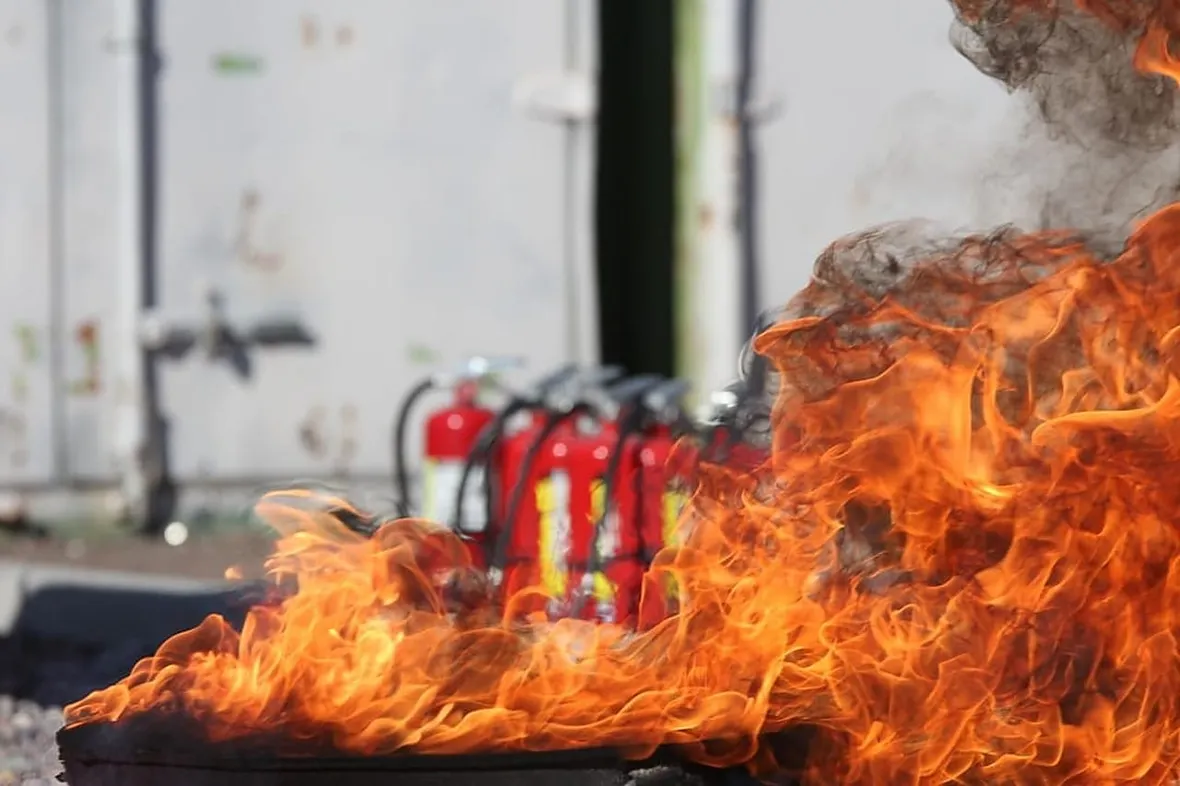
Quick answer: UK employers must appoint and train sufficient fire marshals (or wardens) under Article 13 of the Regulatory Reform (Fire Safety) Order 2005. The number depends on premises risk and occupancy, typically one per 25 people or one per floor, whichever is more. Initial training plus annual refresher is the UK standard. Records must evidence training content, competence assessment, refresher dates, and participation in drills.
Fire marshals are the difference between a planned evacuation and a panicked one. Every serious fire incident inquiry in UK workplaces draws a distinction between buildings where marshals performed their role and buildings where staff improvised. The records you keep evidence which category yours falls into before the event, not after.
The legal basis
Article 13 of the RRO 2005 requires the responsible person to "nominate and appoint a sufficient number of competent persons" to assist with fire safety duties. "Sufficient" is determined by the Fire Risk Assessment; "competent" means trained to carry out specific assigned responsibilities.
How many marshals
No statutory ratio, but widely-applied benchmarks:
- One marshal per 25 employees, minimum
- One per floor, regardless of size
- One per fire compartment in larger premises
- Double coverage for shift rotas (two people trained so one is always present)
- Extra for sleeping accommodation, high-risk processes, or public access
A 200-person office across 3 floors typically has 10+ trained marshals, so at least 4 are always on site.
Training content
A competent fire marshal training course covers:
- Fire triangle and fire behaviour
- Fire classification and appropriate extinguishers
- Practical use of extinguishers (hands-on)
- The building's fire alarm system and evacuation plan
- Sweep procedures (rooms, toilets, kitchens)
- Assembly point management and roll call
- Liaising with the fire service on arrival
- Safe return procedures after all-clear
- Reporting and post-incident
Refresher interval
The RRO 2005 says "sufficient", annual is the default UK benchmark. Some sectors (care, construction, hospitality) use 6-monthly. Refreshers should include: changes since last training, practical practice (extinguisher discharge, evacuation chair), review of any incidents or drills.
Drill participation
Fire marshals should participate in every evacuation drill in their specific role. Records must show which marshal was on shift, which role they performed, and what lessons came out. A drill where the marshal didn't participate is a training gap.
What records must show
- Named marshal and their assigned floor/area/shift
- Initial training date, provider, course content
- Practical assessment results (extinguisher discharge, evacuation sweep)
- Refresher training dates, annual or 6-monthly
- Drill participation log
- Incident log where relevant
- Current competency sign-off (by the responsible person)
- Succession plan when a marshal leaves
Evacuation chair training
Premises with disabled occupants or multi-storey layouts often need evacuation chairs. Anyone trained to use one needs specific training, typically 2 hours per year. Records must log both the training and the named persons who can operate the chair.
Common mistakes
- Marshal left the business and no successor trained, uncovered shifts
- Training certificates from years ago with no refresher evidence
- One marshal for a 3-floor building, no cover when they're absent
- Drills run without marshals participating in their roles
- No evacuation chair training despite a chair being mounted on the wall
FAQs
Can a manager be the fire marshal?
Yes. Many small businesses combine the roles, the office manager becomes the fire marshal. What matters is training and competence, not hierarchy.
Do fire marshals need to wear high-vis?
No legal requirement but strongly recommended. Hi-vis tabards, hard hats, or pin badges make marshals visible to staff during evacuation, essential when you need 50 people to know who to follow.
Is online fire marshal training valid?
For the theoretical elements, yes. Practical elements (extinguisher use, sweep procedures) should include in-person assessment. Blended courses are widely accepted.
What if a marshal refuses to go back in to sweep?
The plan must never require a marshal to enter an unsafe area. Sweep procedures apply to areas judged accessible. "Sweep, don't risk" is the rule, document this explicitly in the procedure.
Related guides
- Fire Risk Assessment: UK requirements
- Martyn's Law: UK venue operator guide
- Fire extinguisher servicing records
- How to Keep a Fire Risk Assessment Record: UK Guide
Sources and further reading
- Regulatory Reform (Fire Safety) Order 2005
- gov.uk: Workplace fire safety
- HM Gov: Fire safety in the workplace, guide series
This guide is written by Jamie Dawson, who also runs Gemini AM/PM, a UK fire and security installer, the operator perspective in this guide comes from day-to-day site work.
Last reviewed 2026-04-22 by Jamie Dawson, Editor. Corrections: corrections@logbook.co.uk