Holiday Let & Airbnb Gas Safety Rules (UK Landlord Guide)
Short lets are not exempt. If your holiday let or Airbnb has gas appliances, the annual gas safety check applies in full. Here's what hosts must do.
 By Jamie Dawson · Editor
▮
Updated 22 Jul 2026
▮
3 min read
By Jamie Dawson · Editor
▮
Updated 22 Jul 2026
▮
3 min read
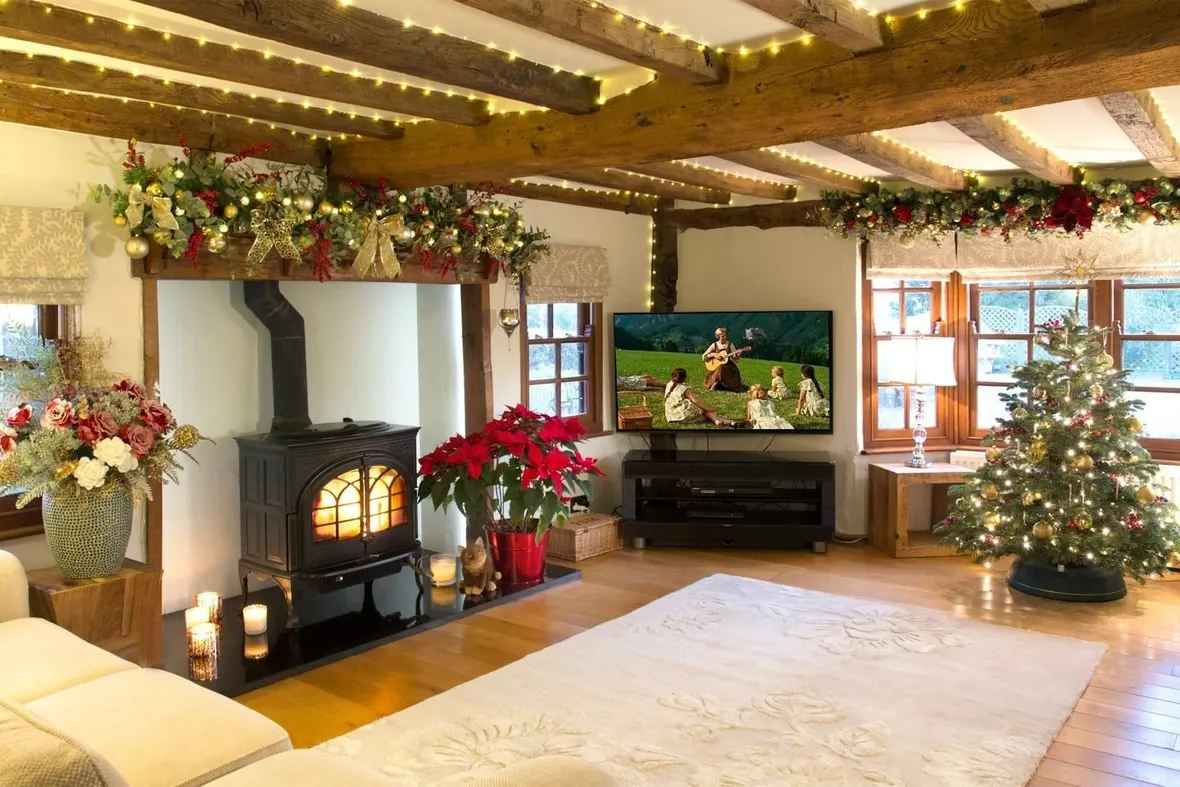
Quick answer: Holiday lets, Airbnbs and serviced accommodation are not exempt from gas safety law. If the property has landlord-supplied gas appliances, the Gas Safety (Installation and Use) Regulations 1998 require an annual check by a Gas Safe registered engineer, exactly as for a long-term tenancy. The current record must be available to guests, and carbon monoxide alarms are required where there's a combustion appliance.
One of the most persistent myths in the short-let market is that gas safety rules only bite on “proper” tenancies. They don't. The regulations were written to catch every commercial let, including stays of a single night. Here's what hosts actually have to do.
Why short lets are covered
The 1998 Regulations apply to residential premises let under a “licence to occupy” as well as under a tenancy. A holiday-let booking is a licence to occupy. The regulations specifically reach lets of less than seven days, which is precisely the short-stay model. So an Airbnb, a coastal cottage, a city apartment on Booking.com, or serviced accommodation with gas all fall squarely within the rules.
What hosts must do
- Annual gas safety check on every landlord-supplied gas appliance and flue, by a Gas Safe registered engineer.
- Keep the record for at least 2 years (longer in practice).
- Make the current record available to guests: typically displayed in the property or in the welcome folder.
- Fit and maintain carbon monoxide alarms in any room with a fixed combustion appliance.
- Act on defects immediately: an Immediately Dangerous appliance must be taken out of use before the next guest arrives.
The underlying duties are the same as for any rental; only the method of giving the record to occupants differs. For the full set of landlord obligations, see the complete gas safety certificate guide.
Furnished holiday lettings and the records pile
If you run a furnished holiday letting (FHL) as a business, gas safety sits alongside a wider set of compliance records, electrical safety, fire risk assessment, and public liability insurance among them. Treat the gas safety record as one item in a property compliance folder rather than a standalone obligation. Many hosts also keep the landlord electrical records in the same place.
The risk is higher, not lower
Short lets arguably carry more gas risk than long tenancies: guests are unfamiliar with the appliances, turnover is constant, and nobody lives with a fault long enough to report it. Carbon monoxide incidents in holiday accommodation are exactly the scenario the regulations exist to prevent, and prosecutions following guest harm are pursued vigorously. The annual check and working CO alarms are cheap insurance against a catastrophic outcome.
The platform doesn't carry your duty
Airbnb, Vrbo and Booking.com provide the marketplace, not the compliance. The legal responsibility for gas safety stays with the host or the managing agent. Listing through a platform offers no defence whatsoever if a check was missed.
Frequently asked questions
Do Airbnb and holiday lets need a gas safety certificate?
Yes. The Gas Safety (Installation and Use) Regulations 1998 apply to any residential premises let commercially, including short-term lets under seven days. If the property has landlord-supplied gas, an annual check is required.
Who is responsible, me or the booking platform?
The property owner (or the person who manages the letting) is responsible. Airbnb, Booking.com and similar platforms do not carry the legal duty; it stays with the host.
How do I give the certificate to short-stay guests?
Display a copy of the current gas safety record inside the property (in the welcome folder or on a wall) so every guest can see it. There is no individual 28-day delivery rule for transient guests, but the record must be available.
Do I need carbon monoxide alarms in a holiday let?
Yes. Working carbon monoxide alarms are required in rooms with a fixed combustion appliance, and they are strongly advised throughout. They are checked as part of good gas safety practice.
Reviewed by Jamie Dawson, Editor of Logbook.co.uk. Jamie runs a UK fire & security firm and writes from first-hand experience of property-compliance record-keeping. This guide is general information for landlords, not legal advice. Corrections: corrections@logbook.co.uk