Legionella Risk Assessment: UK Landlord & Business Guide (2026)
Legionella risk assessment is a legal duty for UK landlords and businesses under the HSE L8 ACoP. What it covers, who must do it, review frequency, and the records you must keep.
 By Jamie Dawson · Editor
▮
Updated 08 Sep 2026
▮
3 min read
By Jamie Dawson · Editor
▮
Updated 08 Sep 2026
▮
3 min read
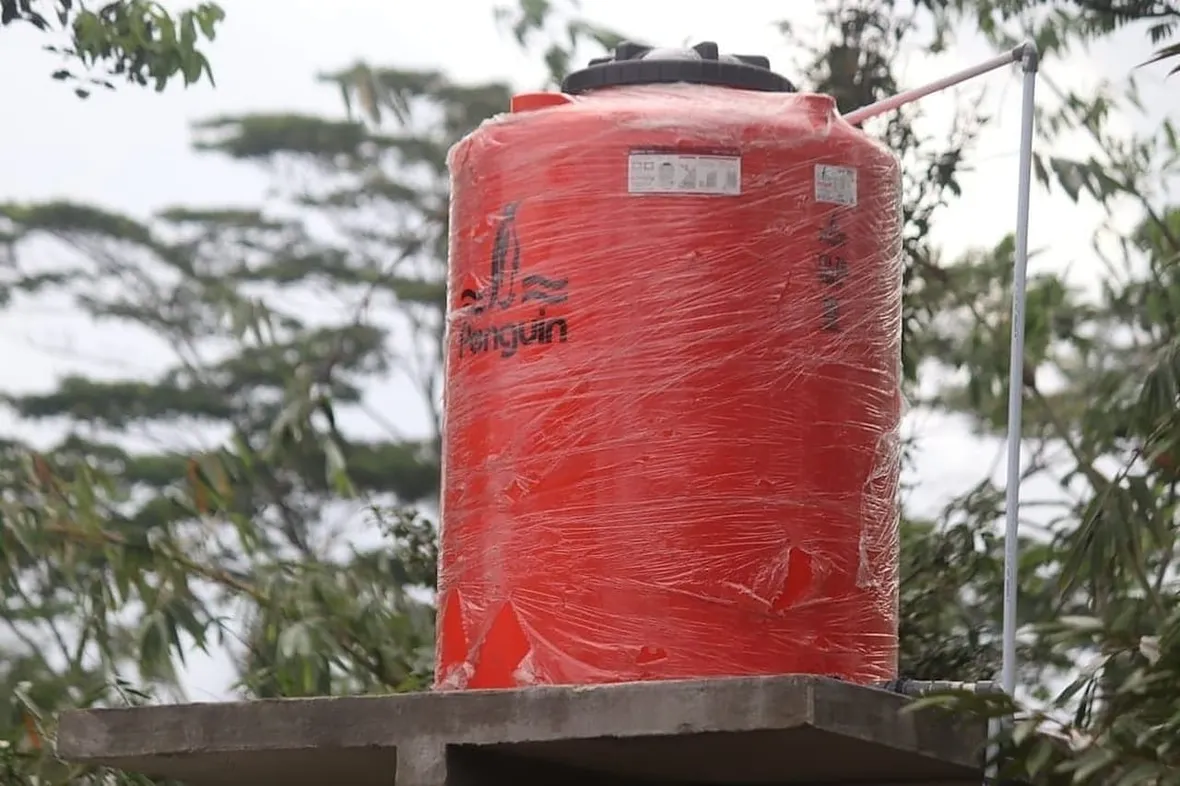
Quick answer: UK landlords and businesses have a legal duty to assess and control legionella risk under the Health and Safety at Work Act, COSHH, and the HSE's L8 Approved Code of Practice (ACoP). A legionella risk assessment identifies where the bacteria could grow in a water system and what controls are needed. For simple domestic rentals, a competent landlord can often assess themselves; complex systems need a professional. Records (the assessment, monitoring, and reviews) must be kept. Non-compliance risks unlimited fines and prosecution.
The legal duty
Legionella control is governed by:
- Health and Safety at Work Act 1974: general duty of care
- Control of Substances Hazardous to Health (COSHH) 2002: legionella bacteria are a hazardous substance
- HSE L8 Approved Code of Practice: "Legionnaires' disease: The control of legionella bacteria in water systems"
- HSG274: supporting technical guidance
Landlords are explicitly included, the HSE confirms residential landlords have a duty to assess and control legionella risk for their tenants.
What legionella is and why it matters
Legionella bacteria cause Legionnaires' disease, a potentially fatal pneumonia. They thrive in water systems between 20-45°C, especially where water stagnates, where there's sediment/scale, and where it can be aerosolised (showers, taps, cooling towers). The risk assessment is about identifying and removing these conditions.
What the risk assessment covers
- Identifying the water system (tanks, pipes, outlets, water heaters)
- Water temperatures (hot stored ≥60°C, distributed ≥50°C; cold ≤20°C)
- Stagnation points (infrequently used outlets, dead legs in pipework)
- Sediment, scale, and biofilm risk
- Aerosol-generating outlets (showers, spray taps)
- Vulnerable occupants (elderly, immunocompromised, higher risk)
- Required control measures
Control measures
- Keep hot water hot (≥60°C in storage) and cold water cold (≤20°C)
- Flush infrequently-used outlets weekly
- Remove dead legs and redundant pipework
- Descale and clean shower heads periodically
- Keep tanks covered and clean
- Monitor temperatures
Domestic rentals vs complex systems
Simple domestic rentals (typical houses/flats with combi boilers or small systems): a competent landlord can usually assess themselves using HSE guidance. The assessment is often simple and may conclude the risk is low with basic controls (flushing after void periods, etc.).
Complex systems (large buildings, cooling towers, care homes, HMOs, commercial premises, stored hot water with multiple outlets): require a competent person (often a specialist water hygiene contractor) and a written control scheme.
How often to review
The assessment must be reviewed "regularly" and whenever it may no longer be valid:
- Domestic rentals: typically every 2 years
- When the water system changes
- When occupancy or use changes
- After void periods (water stagnation)
- If a case of Legionnaires' disease is linked to the property
Records you must keep
- The written risk assessment
- Control scheme (for higher-risk systems)
- Temperature monitoring logs
- Flushing records (void periods, little-used outlets)
- Tank inspection and cleaning records
- Review dates and any remedial actions
See our temperature monitoring log guide and L8 ACoP compliance guide.
Common landlord mistakes
- Believing legionella doesn't apply to domestic rentals (it does)
- Paying for an expensive certificate when a simple self-assessment suffices for low-risk systems
- Not flushing the system after void periods between tenancies
- No records, assessment done but never documented
- Never reviewing the assessment
FAQs
Is there a "legionella certificate" landlords must have?
No statutory certificate exists, the requirement is a risk assessment, not a certificate. Beware companies selling unnecessary "legionella certificates" for simple domestic properties; a documented self-assessment often suffices.
How much does a professional legionella assessment cost?
£75-£200 for a domestic rental; more for complex commercial systems. Many landlords self-assess simple properties for free using HSE guidance.
Does a combi boiler reduce legionella risk?
Yes, combi systems with no stored water and no large tanks are lower-risk because there's less stagnation. The assessment is correspondingly simpler.
What temperature kills legionella?
Legionella is killed rapidly above 60°C. Hot water should be stored at ≥60°C and distributed at ≥50°C; cold water kept below 20°C.
Related guides
- Legionella risk assessment: landlord & business guide
- Legionella temperature monitoring log
- Water hygiene records: L8 ACoP compliance
Last reviewed 2026-06-08 by Jamie Dawson, Editor.
Free download: spa pools and hot tubs carry a materially higher legionella risk than a main pool. Our pool and spa water test log template covers the daily monitoring.