Crane Inspection Records: LOLER Requirements for UK Construction
A plain-English guide to LOLER 1998 crane inspection records for UK construction, intervals, responsibilities, and retention rules.
 By Jamie Dawson · Editor
▮
Updated 08 Sep 2026
▮
5 min read
By Jamie Dawson · Editor
▮
Updated 08 Sep 2026
▮
5 min read
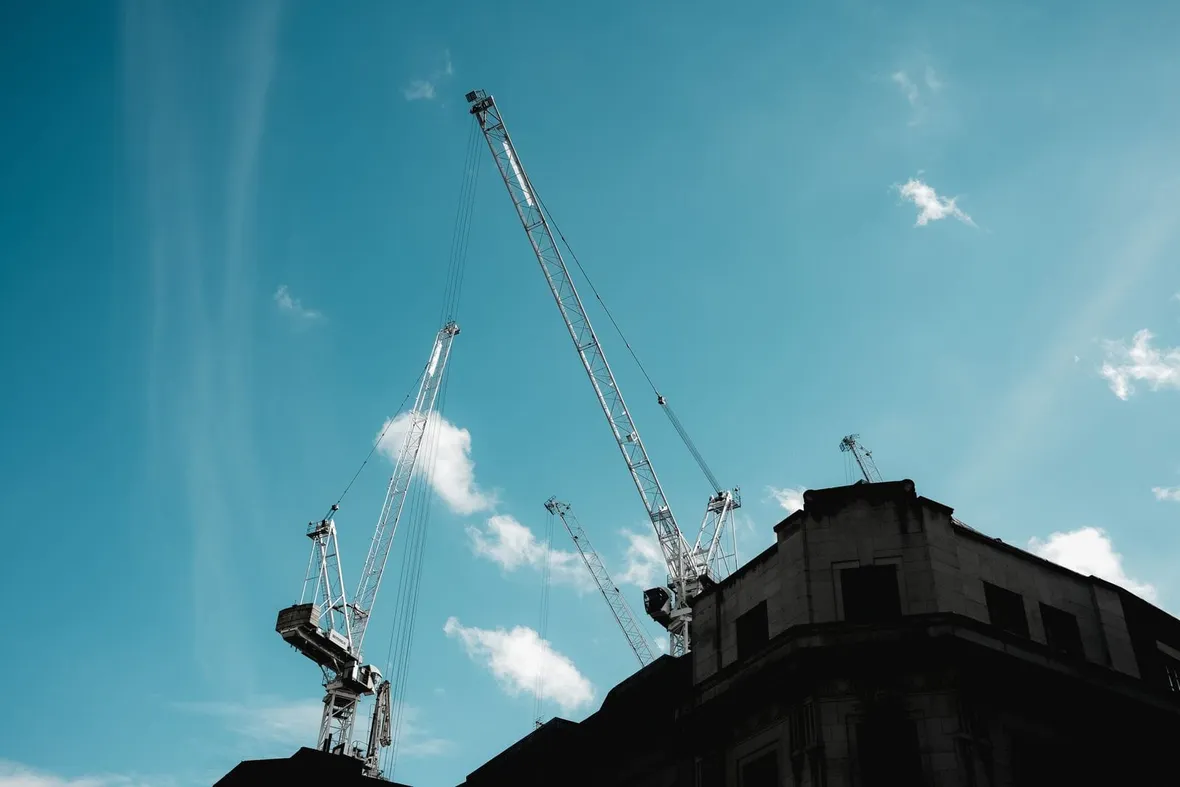
Cranes are among the most heavily regulated pieces of equipment on any UK construction site. A crane failure or collapse can have catastrophic consequences, and the regulatory framework reflects this. The Lifting Operations and Lifting Equipment Regulations 1998, universally known as LOLER, impose stringent inspection and record-keeping requirements on all lifting equipment, with cranes subject to the most demanding regime of all.
This guide explains exactly what LOLER requires for crane inspection records, who can carry out thorough examinations, what reports must contain, and how long they must be kept.
What LOLER Requires for Cranes
LOLER requires that all lifting equipment used for lifting persons, or where a failure could cause injury, undergoes thorough examination by a competent person at specified intervals. For cranes used to lift loads (the most common construction application) thorough examination is required at intervals not exceeding 12 months. For cranes used to lift persons, the interval reduces to six months.
In addition to periodic thorough examinations, LOLER requires that lifting equipment is thoroughly examined before first use where the safety of the equipment depends on installation conditions, and following any exceptional circumstances likely to have jeopardised safety, such as a collision, overload, or structural damage.
LOLER also requires that lifting equipment is inspected as often as necessary to ensure it remains in good repair between thorough examinations. For cranes in continuous use, daily pre-use checks and weekly inspections are standard industry practice, and records of these checks should be maintained.
Thorough Examination vs Inspection
LOLER draws a clear distinction between thorough examination and inspection, and the distinction matters for record-keeping purposes.
A thorough examination is a systematic and detailed examination of the equipment by a competent person, typically a specialist engineer from an insurance company or independent inspection body. It goes beyond a visual check and may include testing, measurement, and disassembly where necessary. The thorough examination produces a formal written report that must meet specific statutory requirements.
An inspection is a less formal check, typically carried out by a competent person employed by the site or crane operator. Inspections check for obvious defects and deterioration but do not carry the same statutory weight as a thorough examination. Records of inspections should nonetheless be maintained as evidence of ongoing due diligence.
Who Can Carry Out a Thorough Examination?
LOLER requires thorough examinations to be carried out by a competent person. For cranes, this typically means a specialist lifting equipment engineer with appropriate qualifications, training, and experience. In practice, most UK construction companies arrange thorough examinations through their insurers or specialist independent inspection bodies such as Lloyds Register, Bureau Veritas, or similar organisations.
The competent person must be sufficiently independent and impartial to make objective decisions. This does not necessarily mean they must be from an external organisation, an in-house engineer with appropriate qualifications can carry out thorough examinations, but they must not be subject to commercial pressure that could compromise their objectivity.
What Must a LOLER Thorough Examination Report Contain?
Regulation 10 of LOLER specifies the minimum content of a thorough examination report. The report must include the name and address of the employer for whom the examination was carried out, the address where the lifting equipment is normally kept, a description of the lifting equipment including any identification number or marking, the date of the last thorough examination, the safe working load of the equipment, the date of the examination, details of any defect found that is or could become a danger to persons, and the name, address, and signature of the competent person.
Where defects are identified that constitute an immediate danger, the competent person must notify the employer immediately and send a copy of the report to the relevant enforcing authority (typically the HSE) within 28 days.
How Long Must LOLER Records Be Kept?
LOLER specifies different retention periods depending on the type of equipment and the nature of the examination. For lifting equipment other than accessories, the report of the most recent thorough examination before the equipment leaves the employer's undertaking must be kept. For lifting accessories, reports of thorough examinations must be kept for at least two years.
In practice, retaining all LOLER thorough examination reports for the operational life of the equipment, plus a further period after disposal, is strongly advisable. LOLER claims and personal injury litigation can arise years after an incident, and complete inspection records are essential evidence.
Daily Pre-Use Checks and Weekly Inspections
Beyond the statutory thorough examination regime, industry best practice (and most principal contractor requirements) demand daily pre-use checks and weekly formal inspections of cranes in use on site.
Daily pre-use checks are typically carried out by the crane operator before commencing operations. They cover fluid levels, controls, brakes, limit switches, hooks and rope, and any visible structural defects. A brief record confirming the check was carried out and identifying any defects found should be completed before operations begin.
Weekly inspections are more detailed and typically carried out by a crane supervisor or site engineer. They cover all elements of the daily check plus a more detailed examination of structural components, wire ropes, sheaves, and safety devices. Any defects found must be recorded along with the action taken to remedy them.
Crane Register
Many principal contractors maintain a crane register for each site, a centralised record of all cranes operating on the site, their inspection status, and their LOLER thorough examination due dates. The crane register provides an at-a-glance overview of compliance status and ensures that no crane is operated beyond its thorough examination due date.
The crane register should record the crane type and identification, the name of the hiring company, the date the crane arrived on site, the date of the most recent thorough examination, the next thorough examination due date, and the current status.
Frequently Asked Questions
Does LOLER apply to telehandlers and forklift trucks on construction sites?
Yes. LOLER applies to all lifting equipment, including telehandlers, forklift trucks, excavators used for lifting, and any other equipment used to lift loads. The specific thorough examination intervals and requirements vary depending on the equipment type and use.
What happens if a crane is found to have a defect during thorough examination?
Minor defects that do not pose an immediate danger must be reported to the employer in writing, with a time period specified for remediation. The employer must remedy the defect within the specified period. Defects posing an immediate danger must be reported immediately, and the crane must be taken out of use until the defect is remedied.
Can crane inspection records be kept digitally?
Yes. Digital records are fully acceptable under LOLER provided they are secure, tamper-evident, and can be produced in hard copy on request. Many lifting equipment inspection bodies now provide digital reports through online portals.
Key Takeaways
- LOLER requires thorough examination of cranes at intervals not exceeding 12 months for load-lifting cranes and six months for cranes used to lift persons.
- Thorough examinations must be carried out by a competent person, typically a specialist lifting equipment engineer from an insurance company or independent inspection body.
- Thorough examination reports must meet specific statutory content requirements under Regulation 10 of LOLER.
- Defects posing an immediate danger must be reported immediately to the employer and to the HSE within 28 days.
- Daily pre-use checks and weekly inspections are industry best practice and should be recorded in addition to the statutory thorough examination regime.
- A site crane register provides centralised oversight of all cranes' inspection status and upcoming examination due dates.
Free download: our LOLER thorough examination register template has the regulation 9 intervals built in, 6 months for lifting persons and accessories and 12 months for other equipment.