DVLA Overhauls Classic & Modified Vehicle Rules: What Changed in 2025
From 26 August 2025, DVLA's biggest registration shake-up since the 1980s: restored vehicles keep their reg with no inspection, modified vehicles keep their VIN, EV conversions keep their identity.
 By Jamie Dawson · Editor
▮
Updated 12 Oct 2026
▮
4 min read
By Jamie Dawson · Editor
▮
Updated 12 Oct 2026
▮
4 min read
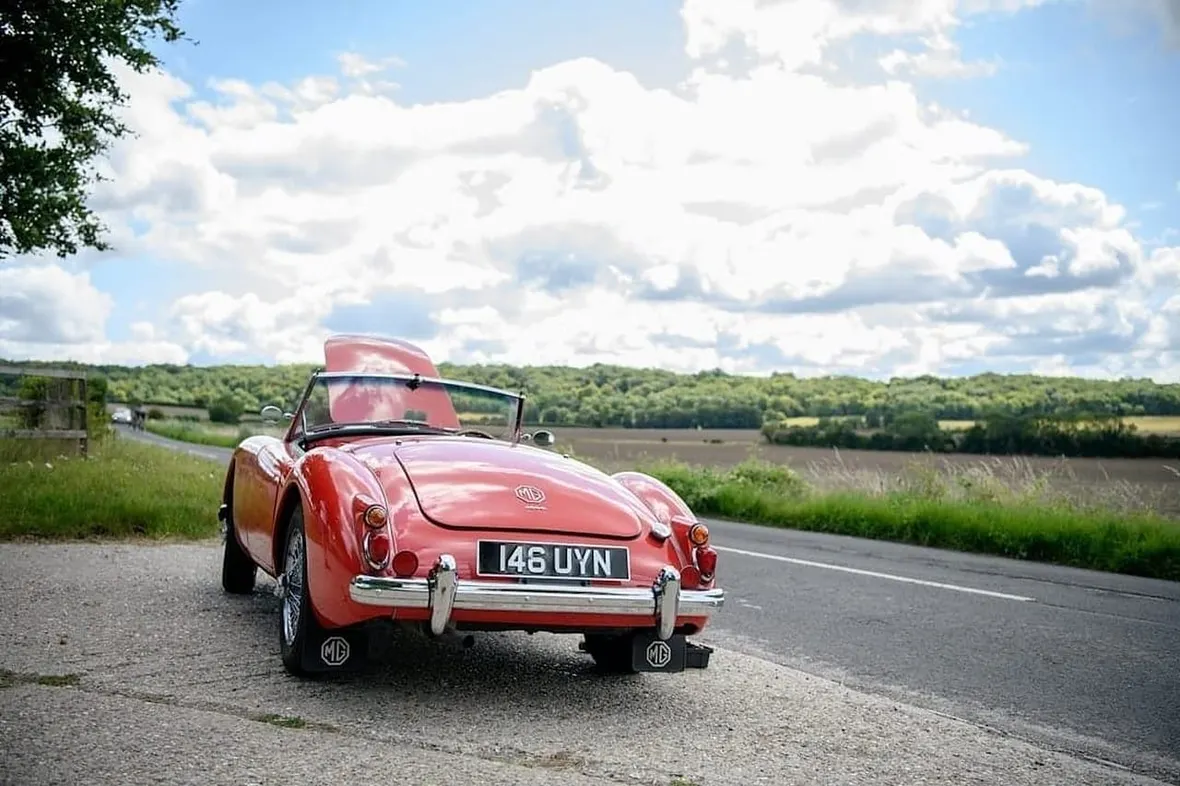
What's changed: On 26 August 2025, DVLA introduced the biggest overhaul of vehicle registration policy since the 1980s. Restored vehicles now keep their registration with no inspection or number suspension; vehicles with significant structural modifications can keep their original registration and VIN; and combustion-to-EV conversions can retain the vehicle's identity (notified via form V627/3). The changes followed a Government Call for Evidence and a long campaign by the Historic and Classic Vehicles Alliance (HCVA).
Update, October 2026: DVLA reissued its guidance leaflet INF318, "Making changes to a vehicle and registering kit-built, kit-converted and reconstructed classic vehicles", as edition 7/26; the GOV.UK page was updated on 3 August 2026. That edition still says the new V5C Special Notes markers "Modified" and "Electric conversion" are not yet in use: "These new markers will be available in the future, but for now, the current 'Rebuilt' marker will still be used". So, as of 12 October 2026, a structurally modified or EV-converted vehicle notified on form V627/3 receives a new V5C carrying the existing "Rebuilt" note, and DVLA says the new markers will be applied to applications processed after they go live. We have corrected the FAQ below accordingly.
The headline change
For decades, restoring or modifying a classic vehicle risked the dreaded "Q plate", a registration mark indicating the vehicle's age or identity was in doubt, or a registration suspension and DVLA inspection. The rules, largely unchanged since the 1980s, hadn't kept pace with the realities of restoration and EV conversion. The 26 August 2025 reforms change that.
Rules change. Get the two-minute Logbook Briefing.
New DVLA processes, deadlines and free templates, in one short email. No spam, one-click unsubscribe.
What's new, three key shifts
1. Like-for-like restoration: no reporting, no suspension, no inspection
If you restore a vehicle to its original specification (even a comprehensive, ground-up rebuild) you no longer need to inform DVLA, and the registration number will not be suspended. There's no requirement for a DVLA inspection afterwards. You only need to notify DVLA if the work deviates from the V5C: a change of colour, engine capacity, or body type.
2. Structural modifications: keep your registration and VIN
Previously, significant structural modification could put your original registration and VIN at risk. Under the new rules, vehicles that have undergone significant structural changes can keep their original registration number and Vehicle Identification Number. You must still notify DVLA of major structural changes (via form V627/3), but the identity is retained provided it remains clear.
3. EV conversions: keep the original identity
This is the standout change for the modern era. Cars whose combustion engines have been swapped for electric powertrains can now keep their original identity and registration, provided DVLA is notified of the work. This removes a major disincentive to converting classics to EV and protects the value tied to the original registration.
What you still need to report
Notify DVLA (form V627/3) if your vehicle has:
- A change of colour, engine capacity, or body type from the V5C
- Significant structural modification
- An EV conversion
For pure like-for-like restoration with no deviation from the V5C, no notification is needed.
Why it matters
- Classic car values are heavily tied to original registration and matching numbers. These rules protect that
- EV conversions become far more attractive without the risk of losing the vehicle's identity
- Restorers no longer face registration suspension or inspection for faithful rebuilds
- The reforms followed the HCVA (Historic and Classic Vehicles Alliance) campaign and a 2024 Government Call for Evidence
How this fits with V5C provenance
For classic car owners, these changes make documented provenance even more valuable, keeping the original registration and VIN means the paper trail (original V5C, build records, restoration documentation) now carries through a restoration or conversion intact. See our classic car provenance guide and historic vehicle registration guide.
FAQs
Does this affect the Q plate rules?
Yes, by allowing restored and modified vehicles to keep their original registration, the changes reduce the circumstances in which a Q plate would be issued. Q plates remain for vehicles whose age or identity genuinely cannot be established.
I restored my classic last year, am I affected?
The new policy applies from 26 August 2025 going forward. If your vehicle's registration is already settled, the changes mainly benefit future restoration and modification work.
Do I need an inspection for an EV conversion?
Under the new approach, notification (via V627/3) is required rather than automatic inspection, provided the vehicle's identity remains clear. DVLA may still query unclear cases.
Will my V5C say "Modified" or "Electric conversion"?
Not yet. INF318 edition 7/26 (GOV.UK page updated 3 August 2026) lists three Special Notes markers, "Rebuilt", "Modified" and "Electric conversion", but states that the second and third "will be available in the future" and that the "Rebuilt" marker is used for now. A modified or converted vehicle keeps its original VIN and registration provided there are no identity concerns, and the new V5C explains in Special Notes that it has been modified from the manufacturer's specification. Keep the V627/3, the supporting photographs and the acknowledgement from DVLA with the V5C; together they are the record of what was done and when.
Sources
- GOV.UK: DVLA backs classic car industry with updated registration policies
- DVLA news releases
- Historic and Classic Vehicles Alliance (HCVA) campaign materials
- DVLA: Making changes to a vehicle and registering kit-built, kit-converted and reconstructed classic vehicles (INF318), edition 7/26, page updated 3 August 2026
Published 2026-06-08, updated 2026-10-12 by Jamie Dawson, Editor. Corrections: corrections@logbook.co.uk