Excavation Inspection Records: UK Legal Requirements
What UK excavation inspection records must include under CDM 2015 and HSE, daily checks, competent persons, and retention rules.
 By Jamie Dawson · Editor
▮
Updated 07 Sep 2026
▮
4 min read
By Jamie Dawson · Editor
▮
Updated 07 Sep 2026
▮
4 min read
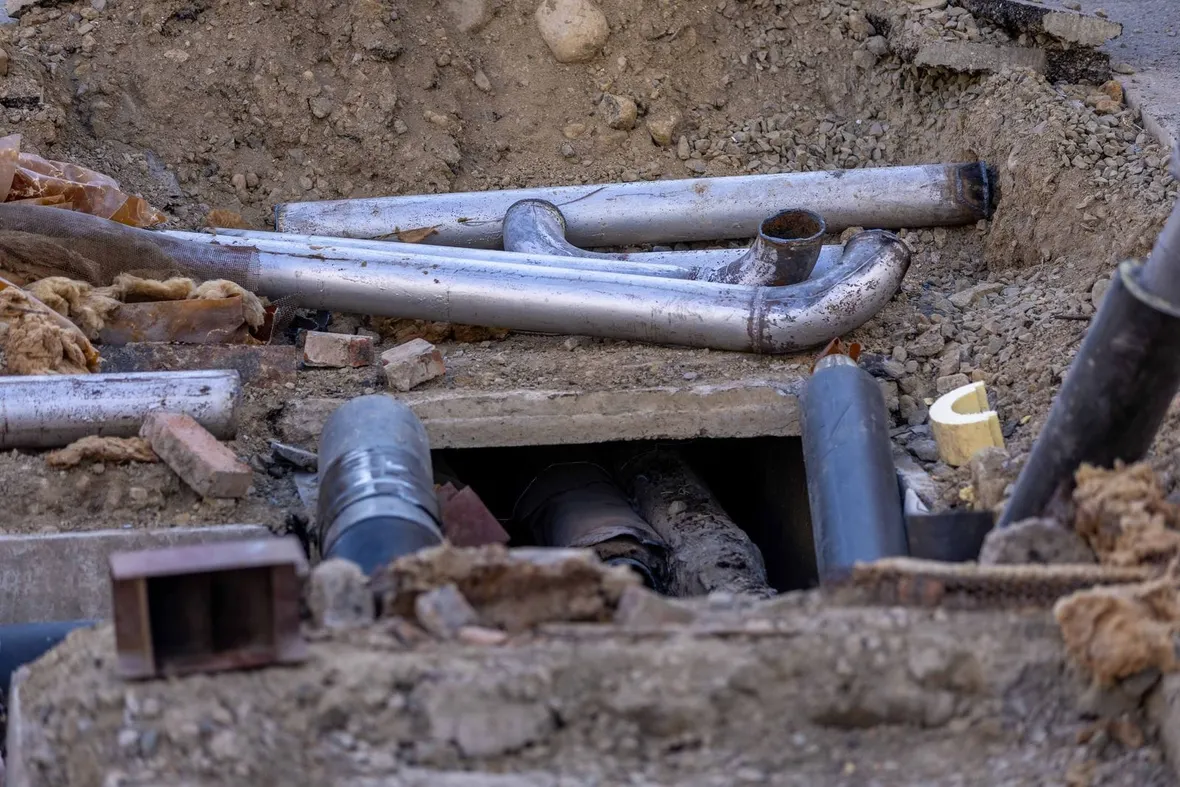
Excavations are among the most dangerous features of any construction site. Collapses can happen suddenly and without warning, burying workers under tonnes of soil in seconds. UK law imposes strict inspection and record-keeping requirements for all excavations, and compliance is non-negotiable. The Work at Height Regulations 2005 and the Construction (Design and Management) Regulations 2015 both apply, alongside the specific excavation provisions of the Construction (Health, Safety and Welfare) Regulations.
When Must Excavations Be Inspected?
Under the Construction (Health, Safety and Welfare) Regulations, excavations must be inspected at three specific points. First, at the start of every shift during which work in or near the excavation takes place. Second, after any event likely to have affected the stability of the excavation, including heavy rain, frost, vibration from nearby plant, or any collapse of part of the excavation. Third, after any accidental fall of rock, earth, or other material.
The start-of-shift inspection requirement means that on a busy construction site, excavation inspections may need to be carried out daily or even multiple times per day if different teams are working different shifts. Each inspection must be recorded separately.
Who Can Inspect an Excavation?
Excavation inspections must be carried out by a competent person. For excavations, competence means a combination of training, knowledge, and experience sufficient to identify risks and assess whether the excavation is safe to enter and work in. This typically means a trained site supervisor, safety officer, or engineer with specific knowledge of ground conditions and excavation support systems.
The competent person must understand the specific risks associated with the ground conditions on the site, ground that appears stable in dry conditions may be significantly less stable after rain, in frozen conditions, or adjacent to vibrating plant. Local knowledge of ground conditions, access to borehole or trial pit data, and understanding of groundwater levels are all relevant to competent excavation inspection.
What Must the Inspection Record Contain?
The excavation inspection record must include the name and address of the person for whom the inspection was carried out, the location of the workplace inspected, a description of the part of the workplace inspected, the date and time of the inspection, details of any matter identified that could give rise to a risk to health or safety of any person, details of any action taken as a result of any matter identified, details of any further action considered necessary, and the name and position of the person making the report.
Pre-printed excavation inspection forms are available from safety suppliers and many principal contractors provide their own standard forms. The HSE also publishes guidance on excavation inspection records. Whatever format is used, all required fields must be completed, a partially completed form provides little legal protection and may actually increase liability by demonstrating awareness of a hazard without adequate response.
How Long Must Excavation Inspection Records Be Kept?
Excavation inspection records must be kept until the excavation is no longer in use. Where the excavation was part of a construction project, records should be retained as part of the project health and safety documentation. Best practice is to retain excavation inspection records for at least three years after project completion.
Excavation Support Systems
Where excavations require support systems (trench boxes, sheet piling, temporary works) additional records are required. The design of the support system must be documented, the installation must be inspected and recorded, and any modifications to the support system must be formally approved and recorded.
Temporary works on excavations are a significant area of risk, collapses frequently occur when support systems are inadequately designed, incorrectly installed, or modified without proper review. The temporary works designer, the temporary works coordinator, and the inspecting competent person all have record-keeping obligations that must be fulfilled.
Ground Investigation Records
Before any significant excavation begins, ground investigation records should be reviewed. Borehole logs, trial pit records, and geotechnical reports provide essential information about ground conditions, groundwater levels, and potential hazards such as made ground, contamination, or underground services.
These records should be held on site and consulted when planning and carrying out inspections. Unexpected ground conditions discovered during excavation, soft spots, groundwater ingress, previously unknown services or structures, must be recorded immediately and the excavation support system reviewed.
Frequently Asked Questions
Does the inspection requirement apply to shallow excavations?
Yes. The requirement to inspect applies to all excavations where a person could be buried or trapped, regardless of depth. Even relatively shallow excavations can collapse with fatal consequences depending on ground conditions and the nature of the work being carried out.
What action must be taken if an inspection reveals a defect?
Work in the excavation must cease immediately until the defect is remedied. The record must note the defect, the action taken, and confirmation that the excavation was re-inspected and found safe before work resumed.
Can excavation inspections be combined with other site inspections?
Records of different types of inspection should be kept separately to ensure clarity and traceability. A combined site inspection form that includes excavation inspection alongside other checks may be acceptable provided all required information is clearly recorded for each element.
Key Takeaways
- Excavations must be inspected at the start of every working shift, after any event affecting stability, and after any accidental fall of material.
- Inspections must be carried out by a competent person with knowledge of ground conditions and excavation safety.
- Inspection records must include specific statutory information and be completed at the time of inspection. Not retrospectively.
- Records must be kept until the excavation is no longer in use, with best practice suggesting at least three years after project completion.
- Support system designs, installation records, and modification approvals are separate records that must also be maintained.
- Ground investigation records should be held on site and consulted throughout the excavation process.