Animal Movement Records UK: Farm Compliance Guide (2026)
How UK farmers record and report livestock movements (cattle via CTS, sheep and goats via ARAMS/eAML2, pigs via eAML2) plus standstill rules and holding registers.
 By Jamie Dawson · Editor
▮
Updated 28 Jul 2026
▮
2 min read
By Jamie Dawson · Editor
▮
Updated 28 Jul 2026
▮
2 min read
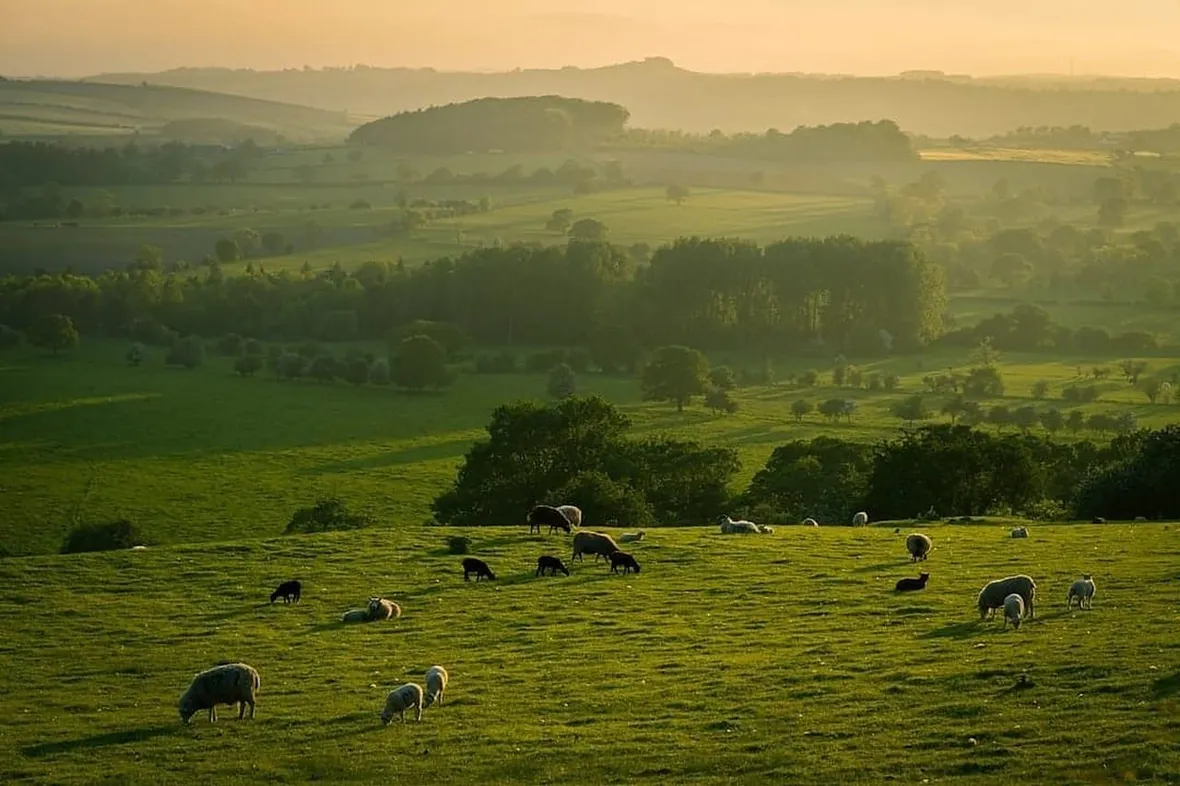
Quick answer: Every UK farm animal movement must be recorded and reported for disease control and traceability. The system varies by species: cattle via the Cattle Tracing System (CTS/BCMS); sheep and goats via ARAMS in England (with EID tags); pigs via eAML2. Movements are reported within set timescales (usually 3 days), a standstill period restricts onward movement after animals arrive, and every keeper maintains a holding register for APHA inspection. You also need a CPH (County Parish Holding) number before keeping livestock.
Why movement records exist
Livestock movement recording is the backbone of UK disease control. When foot-and-mouth, TB, bluetongue, or avian influenza appears, authorities trace animal movements to contain the spread. Accurate records protect the whole industry, and your farm payments depend on compliance.
The CPH number, start here
Before keeping or moving any livestock you need a County Parish Holding (CPH) number identifying your land. Apply via the Rural Payments Agency. Each holding has its own CPH; movements are recorded between CPH numbers.
Recording by species
Cattle, CTS / BCMS
Report births, deaths, and movements to the Cattle Tracing System via CTS Online, phone, or software, within 3 days. Each bovine has a passport. See our cattle passports guide.
Sheep and goats, ARAMS (England)
- Animals are identified with EID (electronic identification) ear tags
- Movements reported via ARAMS (Animal Reporting and Movement Service) within 3 days
- Movement documents accompany the animals
- Scotland uses ScotEID; Wales uses EIDCymru
Pigs, eAML2
- Movements reported via the electronic Animal Movement Licence (eAML2)
- Pigs identified by herd mark (slap mark or ear tag)
- Longer standstill periods can apply
The standstill rule
After animals arrive on your holding, a standstill period restricts moving animals off again, a key disease-control measure:
- Cattle, sheep, goats: typically 6-day standstill
- Pigs: typically 20-day standstill (with some variations)
Breaking standstill without authorisation is a serious offence.
The holding register
Every keeper maintains a holding register recording:
- All animals on the holding
- Births and deaths
- Movements on and off (with dates, CPH numbers, animal IDs)
- Available for APHA inspection
- Kept for at least 3 years
Movement documents
Animals travelling must be accompanied by the appropriate movement document (cattle passport, sheep/goat movement document, pig movement licence). The receiving keeper records the arrival; the sending keeper records the departure.
Common movement record mistakes
- Not having a CPH number before keeping animals
- Late movement reporting (missing the 3-day window)
- Breaking the standstill period
- Holding register not kept up to date
- Wrong or missing EID/tag numbers
- Movement document not accompanying the animals
FAQs
Do I need to report movements within my own holding?
Movements between separate CPH holdings must be reported. Movements within the same registered holding generally don't, but check the rules for your species and CPH structure.
What's the difference between ARAMS and eAML2?
ARAMS is the sheep and goat movement service (England); eAML2 is the pig movement licence system. Different species, different systems.
How quickly must I report a movement?
Usually within 3 days, though this varies by species and system. Report promptly to stay compliant.
Does this affect my farm subsidy?
Yes, animal traceability is a cross-compliance requirement. Failures can reduce or withhold farm payments.
Related guides
- Cattle passports & BCMS: farmer's guide
- Animal movement records UK
- Veterinary medicine records for farms
- Pesticide application records (PA)
Last reviewed 2026-06-08 by Jamie Dawson, Editor.