Veterinary Medicine Records for Farms: UK Compliance Guide (2026)
What UK farmers must record for veterinary medicines given to food-producing animals (product, batch, dose, withdrawal period) plus the 5-year retention and Red Tractor/VMD rules.
 By Jamie Dawson · Editor
▮
Updated 28 Sep 2026
▮
3 min read
By Jamie Dawson · Editor
▮
Updated 28 Sep 2026
▮
3 min read
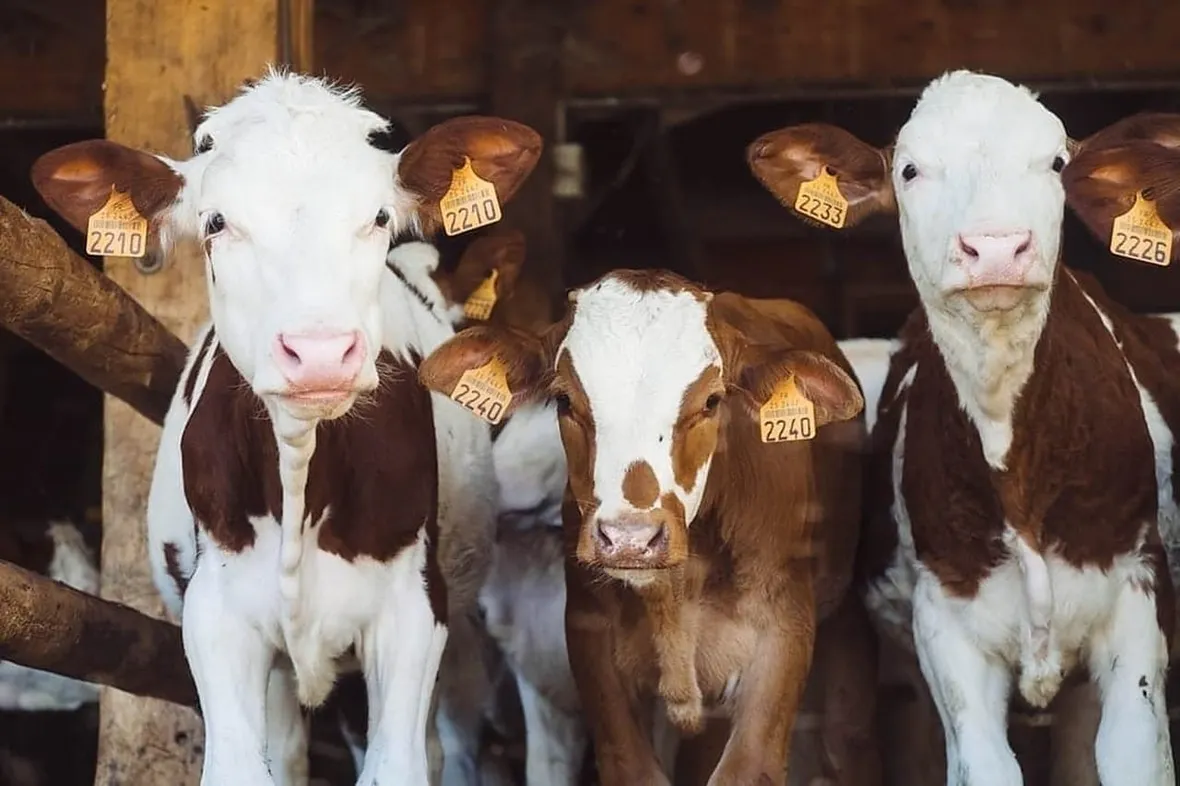
Quick answer: UK farmers must record every veterinary medicine administered to food-producing animals, the product name, batch number, date, dose, animals treated, withdrawal period, and who gave it. Records cover purchases (incoming), administration (usage), and disposal, and must be kept for at least 5 years. The rules come from the Veterinary Medicines Regulations, enforced by the Veterinary Medicines Directorate (VMD) and checked at Red Tractor assurance inspections. The withdrawal period is critical, selling meat, milk, or eggs before it expires is an offence.
Why medicine records matter
Veterinary medicine records protect the food chain. They ensure:
- No drug residues reach consumers (withdrawal periods observed)
- Traceability if a residue or safety issue arises
- Responsible antibiotic use (reducing antimicrobial resistance)
- Compliance with farm assurance schemes (Red Tractor, organic standards)
What to record for every treatment
| Field | Detail |
|---|---|
| Product name | The medicine administered |
| Batch number | From the packaging (for traceability) |
| Date of administration | When given |
| Animal(s) treated | Individual ID or group |
| Dose / quantity | Amount given |
| Withdrawal period | Meat, milk, eggs. When produce is safe |
| Administered by | Who gave it |
| Supplier | Vet or supplier |
The three record types
- Incoming (purchases): all medicines bought, with batch and quantity
- Usage (administration): every treatment given, as above
- Disposal: expired or unused medicines disposed of via approved routes
Inspectors reconcile purchases against usage and disposal, discrepancies are flagged.
Withdrawal periods, the critical figure
The withdrawal period is the time after the last dose before produce can enter the food chain. Recording and observing it is non-negotiable:
- Meat: animal can't be slaughtered for food until the meat withdrawal period passes
- Milk: milk can't be sold until the milk withdrawal period passes
- Eggs: eggs can't be sold until the egg withdrawal period passes
Selling produce within the withdrawal period is a food safety offence with serious penalties.
Antibiotics and antimicrobial resistance
The VMD places special emphasis on responsible antibiotic use to combat antimicrobial resistance. Farmers should:
- Use antibiotics only when prescribed and necessary
- Record antibiotic use specifically (some schemes require annual antibiotic usage reporting)
- Follow the "as little as possible, as much as necessary" principle
- Avoid prophylactic (preventive) antibiotic use where possible
Red Tractor and assurance schemes
Red Tractor and other farm assurance schemes inspect medicine records as a core requirement. Poor records can suspend your assurance status, affecting who'll buy your produce. Many buyers (supermarkets, processors) require Red Tractor.
Retention
Keep all veterinary medicine records for at least 5 years, even after the animal is slaughtered, sold, or dies. The VMD and assurance inspectors can request them at any time.
Common medicine record mistakes
- Not recording batch numbers
- Withdrawal period not recorded or not observed
- Purchases and usage not reconciling
- Records not kept for the full 5 years
- Antibiotic use not separately tracked for assurance reporting
- Disposal of expired medicines not documented
FAQs
Do I need to record medicines for non-food animals (e.g. farm dogs)?
The strict recording rules focus on food-producing animals. Working dogs and pets have lighter requirements, but good records are still sensible.
Can I keep medicine records digitally?
Yes, farm software (e.g. medicine book apps) is widely used and accepted, provided records are complete and producible at inspection.
What if a vet administers the medicine?
The treatment still goes in your records. The vet may also keep their own records, but the keeper's medicine book must capture all treatments on the holding.
Who enforces medicine records?
The Veterinary Medicines Directorate (VMD), APHA, and farm assurance schemes (Red Tractor). Trading Standards may also be involved in residue cases.
Related guides
- Cattle passports & BCMS: farmer's guide
- Animal movement records UK
- Veterinary medicine records for farms
- Pesticide application records (PA)
- Controlled drugs registers (Schedule 2 drugs, including in veterinary practice)
Last reviewed 2026-06-08 by Jamie Dawson, Editor.