Car Tax Websites That Charge a Fee: What They Actually Do
 By Jamie Dawson · Editor
▮
Updated 14 Aug 2026
▮
3 min read
By Jamie Dawson · Editor
▮
Updated 14 Aug 2026
▮
3 min read
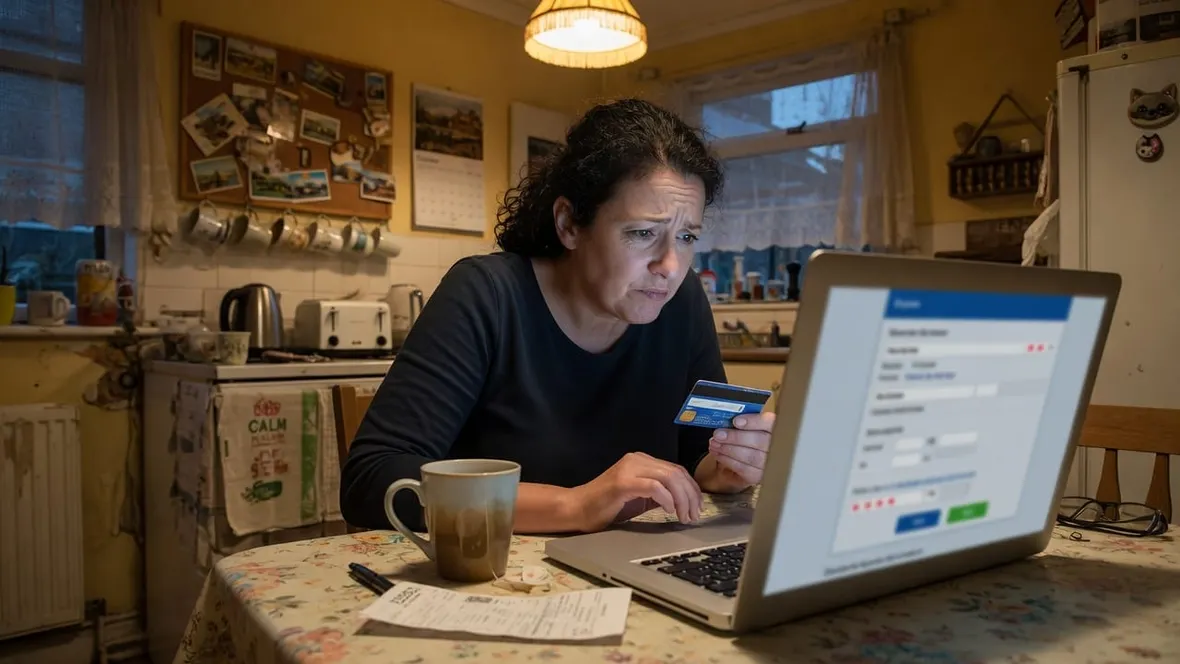
Quick answer: vehicle tax is paid to DVLA and to nobody else, and the official service at gov.uk/vehicle-tax charges nothing beyond the tax itself. Websites that charge a "service fee" to tax your car are unofficial middlemen: they fill in the same free form you can, they cannot do anything DVLA does not already let you do, and the fee buys you nothing. The tell is the address bar: if it does not say gov.uk, you are not on the official service.
The official route, and what it costs
Taxing a vehicle in the UK happens in exactly one place: DVLA. Online at gov.uk/vehicle-tax, by phone, or at a Post Office that handles vehicle tax. The only money that changes hands is the tax itself. That is true even in the awkward cases: no logbook, no reminder letter, just bought the car. Every one of those has a free official route, and we walk through each in how to tax a car without the logbook.
What the paid sites actually sell
Unofficial car-tax websites typically offer a "fast", "simple" or "assisted" way to tax your vehicle, for a fee on top of the tax. Behind the reassuring language, the service is form-filling: the same details you would type into gov.uk, retyped by them or by you into their site, sometimes forwarded to the official system, with a markup added. Some lean specifically on the missing-logbook worry, because people who think their situation is complicated are more willing to pay for help. As our guide shows, the no-logbook routes are DVLA's own and free.
How to spot an unofficial site
- The address is not gov.uk. This is the whole test. Official government services live on gov.uk, nowhere else.
- It appears as an advert. Paid placements can sit above the real gov.uk result in a search. Scroll past ads to the gov.uk link.
- There is a fee for something gov.uk does free, often framed as "processing", "assistance" or "checking".
- Thin company details. Look for a company number, a real address and a proper contact email. A trading name with a freemail address is not a government service.
- Small print admitting it. Many such sites state, usually at the bottom, that they are not affiliated with DVLA or the government.
Is what they do illegal?
Not automatically. Charging for assistance with a government process can be lawful if the site is honest about being unofficial and about the fee. The problems come with presentation: if a site's design, name or wording leads people to believe they are on an official service, that can cross into misleading practice. The practical advice does not depend on the legal line: there is nothing these services can do for you that gov.uk does not do free.
If you already paid one
- Check whether your vehicle is actually taxed, free, using DVLA's check a vehicle service.
- Read the site's terms for what you actually bought, then ask the site for a refund of its fee.
- If you believe the site presented itself as official, contact your card provider about a chargeback, and report the site to Trading Standards via Citizens Advice. Misleading adverts can also be reported to the Advertising Standards Authority.
FAQs
Is it ever worth paying a site to tax my car?
No. The official routes cover every situation, including no logbook, no reminder letter and newly bought cars, and they cost nothing beyond the tax. A paid middleman adds a fee, not a capability.
Do these sites actually tax the car?
Sometimes the application does get made; the point is you paid extra for a free process, and you introduced a stranger into paperwork that only needed you and DVLA. If in doubt, check your tax status free on gov.uk.
How do I know I am on the real DVLA service?
The address bar says gov.uk. Type gov.uk/vehicle-tax directly rather than clicking search adverts, and be sceptical of any car-tax site that reached you by email or text.
I gave one of these sites my card details. What should I do?
Watch the card for unexpected charges, and if the site misrepresented itself, ask your card provider about a chargeback and report it to Trading Standards via Citizens Advice.
Related guides
- How to tax a car without the logbook: every route
- The green V5C/2 new keeper slip explained
- The V62 form explained
- Fake logbook warning signs